花椒冰淇淋

Search documents
上海首店翻台率破10、排队15小时,反内卷的烤匠为何创造奇迹
Di Yi Cai Jing Zi Xun· 2026-02-06 00:49
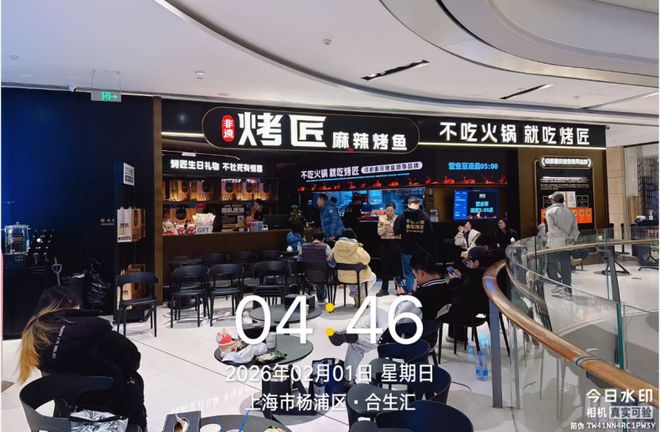
Core Insights - The opening of the first Shanghai store of Kuaijiang, a popular spicy fish restaurant, reflects a significant transformation in contemporary consumer society, as evidenced by long queues and high customer engagement [1][3][5] Industry Overview - The Chinese restaurant industry is experiencing a paradox of growth and high closure rates, with a projected closure rate of 48.9% by 2025, indicating that one in two restaurants may face shutdown [5][6] - Despite the overall market growth, the restaurant sector is seeing a significant brand elimination, with a reported 3.2% year-on-year increase in national restaurant revenue, amounting to 605.7 billion yuan in November 2025 [5][6] Company Performance - Kuaijiang has opened 77 stores since its inception in 2013, becoming a well-known brand in the Sichuan region, with a strong reputation for its spicy fish dishes [6][10] - The restaurant has achieved remarkable queue lengths, with over 6,300 tables registered on the opening day in Shanghai and wait times reaching up to 15 hours [3][10] - Kuaijiang's average table turnover rate is significantly higher than industry standards, with rates of 10.07 in Beijing and 11.83 in Shanghai, far exceeding the average of 2-3 for typical brands [9][10] Consumer Engagement - The brand has a high customer retention rate, with a 22.33% overall repurchase rate in 2025, indicating strong customer loyalty [10][22] - Kuaijiang has successfully created a unique dining experience, including personalized birthday services and a cozy atmosphere, which resonates well with younger consumers [20][22][23] Strategic Insights - Kuaijiang's approach emphasizes quality over price competition, avoiding promotional pricing strategies that are common in the industry, thus establishing a strong market position [25][26] - The brand's focus on emotional connection and high-value experiences aligns with changing consumer expectations, suggesting a shift in the market towards brands that can deliver meaningful engagement [25][26]

上海首店翻台率破10、排队15小时,反内卷的烤匠为何创造奇迹
第一财经· 2026-02-06 00:49
Core Insights - The article highlights the unique success of the restaurant brand "烤匠" (Kao Jiang) amidst a challenging Chinese dining market, showcasing its ability to attract long queues and maintain high customer engagement despite a general decline in the industry [5][6][18]. Group 1: Market Context - The Chinese restaurant industry is experiencing a significant brand elimination trend, with a projected closure rate of 48.9% by 2025, indicating that one in every two restaurants may face closure [5]. - Despite the overall market challenges, the total revenue for the restaurant industry reached 605.7 billion yuan in November 2025, reflecting a year-on-year growth of 3.2% [5]. Group 2: Company Performance - 烤匠 has opened 77 stores since its inception in 2013, becoming a well-known brand in the Sichuan region, with a strong reputation for its signature spicy grilled fish [6][12]. - The brand has achieved remarkable queue lengths, with its Shanghai store recording over 6,300 reservations and wait times of up to 15 hours on its opening day [3][15]. - The average table turnover rate for 烤匠 is significantly higher than industry standards, with some locations achieving rates above 10 times per day, indicating high operational efficiency [11][12]. Group 3: Consumer Engagement - 烤匠 has successfully created a unique dining experience that resonates with consumers, particularly the younger generation, by offering personalized services such as birthday celebrations and themed dining environments [19][25]. - The brand's overall repurchase rate reached 22.33% in 2025, demonstrating strong customer loyalty and satisfaction [25][29]. Group 4: Strategic Insights - 烤匠's strategy focuses on quality and customer experience rather than price competition, which has allowed it to thrive in a market characterized by price wars and promotional tactics [15][29]. - The brand emphasizes emotional connections and high-value experiences, which are increasingly important to consumers in a fluctuating economic environment [28][29]. Group 5: Future Outlook - 烤匠's approach serves as a model for navigating the current economic landscape, suggesting that brands that prioritize quality and customer relationships can achieve sustainable growth [29]. - The brand's success indicates a potential shift in consumer expectations, where emotional resonance and experiential value become key drivers of purchasing decisions [28][29].

“日排千桌”的烤匠进军上海,凭什么被上海商业视为“客流密码”?
Sou Hu Cai Jing· 2025-11-17 18:13
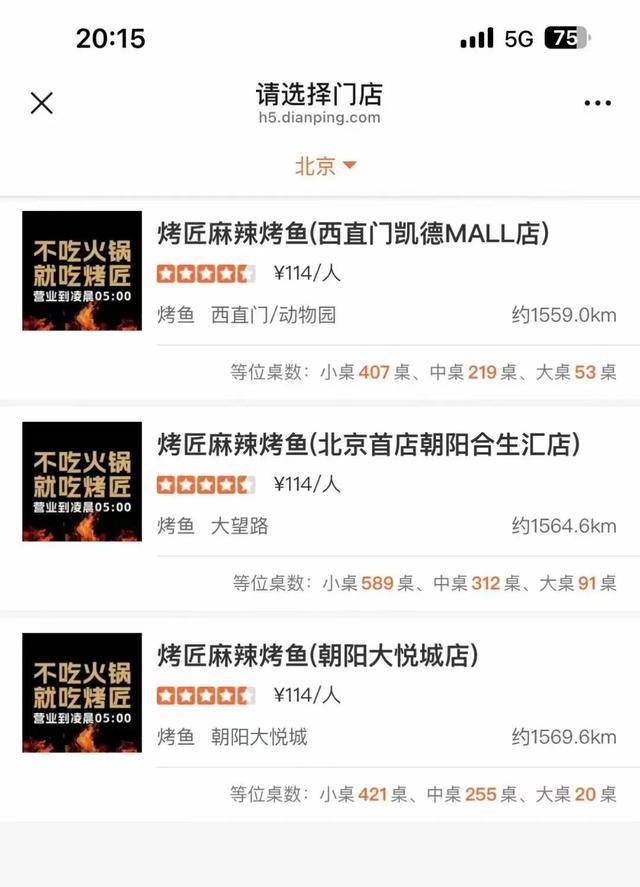
Core Viewpoint - The company KAOJIANG is accelerating its national expansion after establishing a strong foothold in Beijing, with plans to enter the competitive markets of Shanghai and Xi'an, showcasing confidence in its replicable business model [1][13]. Group 1: Performance in Beijing - KAOJIANG has achieved impressive results in Beijing, maintaining a monthly revenue per square meter of approximately 12,000 yuan, with peak turnover rates exceeding 10 times [1][4]. - The brand's operational efficiency is supported by a detailed operational system, allowing it to handle high customer traffic effectively [4][6]. Group 2: Product Differentiation - KAOJIANG focuses on a differentiated product strategy, emphasizing traditional spicy grilled fish while innovating with new dining experiences and creative desserts [6][8]. - The brand has successfully adapted its offerings to meet the evolving preferences of young consumers, enhancing the dining experience to include social and celebratory elements [8][20]. Group 3: Expansion Strategy - KAOJIANG's expansion strategy involves a dual-city approach, targeting both Shanghai and Xi'an simultaneously, reflecting confidence in its business model's adaptability [13][15]. - The brand's selection of locations is based on matching its brand identity with target customer demographics, with significant interest from young consumers in potential store locations [15][20]. Group 4: Young Consumer Engagement - KAOJIANG's primary customer base consists of trend-conscious young individuals aged 18-29, which aligns well with the vibrant shopping environment of Shanghai [16][20]. - The brand has generated significant buzz among young consumers, evidenced by a voting campaign for its store location that attracted over 40,000 participants [16][20]. Group 5: Economic Impact - KAOJIANG's presence in shopping centers is expected to drive foot traffic, potentially increasing overall customer visits by over 15% [22][25]. - The brand's late-night offerings align with the growing night economy, contributing to extended operational hours and increased sales during evening hours [22][25].
刘润年度演讲2025:进化的力量(演讲全文)
吴晓波频道· 2025-10-27 00:29
Core Viewpoint - The annual speech emphasizes the need for businesses to shift from opportunistic thinking to long-term problem-solving in the face of economic challenges, highlighting the importance of addressing real difficulties rather than merely seeking trends [9][11][12]. Group 1: Economic Challenges - The current economic environment is characterized as an "adjustment period," where many businesses face significant difficulties, leading to a collective struggle for survival and growth [9][18]. - Specific industries, such as the restaurant sector, have seen a 24.2% decrease in business-related dining and a 7.7% drop in average spending per customer, resulting in a reduction of restaurant lifespan from over two years to just 15 months [20]. - The birth rate in China has halved over seven years, impacting industries related to maternal and infant care, leading to a cascading effect on various sectors as fewer children are born [22][23]. Group 2: The Concept of "Great Migration" - The "Great Migration" is introduced as a necessary strategy for businesses to adapt and thrive amidst challenges, akin to how wildebeests migrate for survival [24][26][32]. - Companies must embrace change and seek new opportunities rather than remain stagnant in competitive markets, which are likened to overpopulated ecosystems where resources are scarce [31][32]. - Successful examples of this migration include a restaurant that enhances emotional value for customers and a baby stroller company that pivoted to producing pet strollers in response to changing consumer demographics [46][55]. Group 3: Avoiding Category Rigidity - Category rigidity is identified as a significant barrier to innovation, where businesses become too focused on existing products and fail to adapt to new consumer needs [58][61]. - The example of a fish farmer who successfully increased the price of a common fish by addressing new consumer demands illustrates how businesses can escape category rigidity by redefining their value propositions [63]. - The concept of "value reordering" is introduced, where consumers are becoming more selective about their spending, leading to a dual behavior of cutting costs in essentials while splurging on non-essentials [110][124]. Group 4: Consumer Behavior Insights - Recent consumer behavior indicates a complex landscape where individuals are cutting back on essential spending to indulge in non-essential purchases, reflecting a psychological shift rather than a straightforward economic decline [128][129]. - The phenomenon of "value reordering" suggests that consumers are recalibrating their spending priorities, influenced by external pressures and a desire for control over their financial situations [132][133].