重质油

Search documents
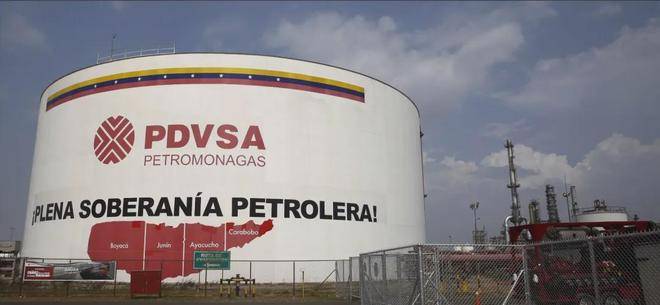
果然不出所料,委内瑞拉的石油“有问题”,只有中国能安稳开采!
Sou Hu Cai Jing· 2026-01-08 12:46
Core Viewpoint - The article discusses the challenges and complexities associated with the extraction and processing of Venezuela's oil, highlighting that despite its vast reserves, the quality and technical barriers make it a difficult resource to develop effectively [3][23]. Group 1: Venezuela's Oil Characteristics - Venezuela has proven oil reserves of 300 billion barrels, accounting for approximately 17% of global reserves, making it the largest in the world [3]. - The oil is primarily heavy sour crude, which is characterized by high viscosity and sulfur content, making it difficult to extract and refine [5][7]. - The oil's quality issues include low yields of light oil components, requiring extensive processing to produce usable products like diesel and asphalt, which increases costs and complexity [7][9]. Group 2: Technical Barriers to Development - The extraction of Venezuela's heavy oil requires advanced technologies such as thermal recovery methods, which necessitate a complete technical system to ensure efficiency [9][11]. - Transportation of heavy oil is complicated due to its density and viscosity, requiring dilution with lighter oils or additives, which can be affected by supply chain issues [11][13]. - Refining heavy oil demands significant amounts of hydrogen and specialized catalysts, with any disruption in supply potentially halting the refining process [13][20]. Group 3: China's Technological Advantage - China has developed comprehensive technologies for the extraction and refining of heavy oil, positioning itself as a capable partner for Venezuela [15][20]. - Chinese companies have successfully implemented advanced extraction techniques, achieving a success rate of over 90% in certain fields, significantly higher than the international average [18]. - China's hydrogen production capacity is projected to reach 37.5 million tons by 2025, ensuring a stable supply for refining processes [20]. Group 4: Implications for Global Energy Dynamics - The challenges faced in developing Venezuela's oil resources illustrate that resource reserves alone do not determine value; technological capability is crucial for unlocking that value [23]. - China's ability to provide both technical expertise and market demand positions it as a preferred partner for Venezuela, enhancing the potential for sustainable development of its oil industry [20][25]. - The case of Venezuela reflects a broader trend in global energy cooperation, where China's technological advancements are reshaping the rules of engagement in the energy sector [25].


接手了一个烂摊子?特朗普想要委内瑞拉的油,就得先掏1000亿美元
Sou Hu Cai Jing· 2026-01-07 14:10
Core Viewpoint - The potential acquisition of Venezuela's oil by the U.S. is viewed as a high-risk gamble rather than a straightforward opportunity, requiring significant investment and long-term commitment to realize any benefits [1][12]. Group 1: Oil Reserves and Quality - Venezuela possesses the largest oil reserves globally, accounting for about one-fifth of the world's total, but this does not guarantee profitability due to the complexity of extracting heavy crude oil [3]. - The heavy crude oil from Venezuela is more challenging to process compared to lighter oils, leading to higher extraction costs and lower value-added products [3]. Group 2: Infrastructure Challenges - The state of Venezuela's oil infrastructure is severely degraded, with aging equipment and frequent operational failures, making it difficult to restore production levels [5]. - Estimates suggest that restoring Venezuela's oil production to levels seen two decades ago would require an investment of at least $100 billion and a sustained effort over approximately ten years [5]. Group 3: Energy Supply Issues - A stable electricity supply is crucial for oil production, yet Venezuela faces significant power shortages due to neglected infrastructure, complicating any efforts to resume oil extraction [6]. - The need to rebuild power generation facilities and the electrical grid presents a substantial challenge for any foreign investment in Venezuela's oil sector [6]. Group 4: Equipment Compatibility - The withdrawal of U.S. companies has left Venezuela reliant on oil equipment from China and Russia, which are not compatible with U.S. technology, complicating maintenance and upgrades [8]. - This incompatibility creates a dilemma for U.S. companies, as they would need to rely on foreign technical support while attempting to manage the oil production process [8]. Group 5: Strategic Considerations - Trump's focus on Venezuela's oil is driven by the U.S. refining industry's need for heavy crude oil, which complements domestic light crude production [10]. - However, the lack of a robust production system in Venezuela means that while there are buyers for the oil, the ability to deliver it as a stable commodity is severely lacking [10]. Conclusion - The endeavor to extract oil from Venezuela is characterized as a long-term, capital-intensive project with uncertain returns, requiring a commitment of $100 billion and a decade of investment [12]. - The reality of energy production is dictated not by the quantity of reserves but by the ability to manage costs and time effectively [12].
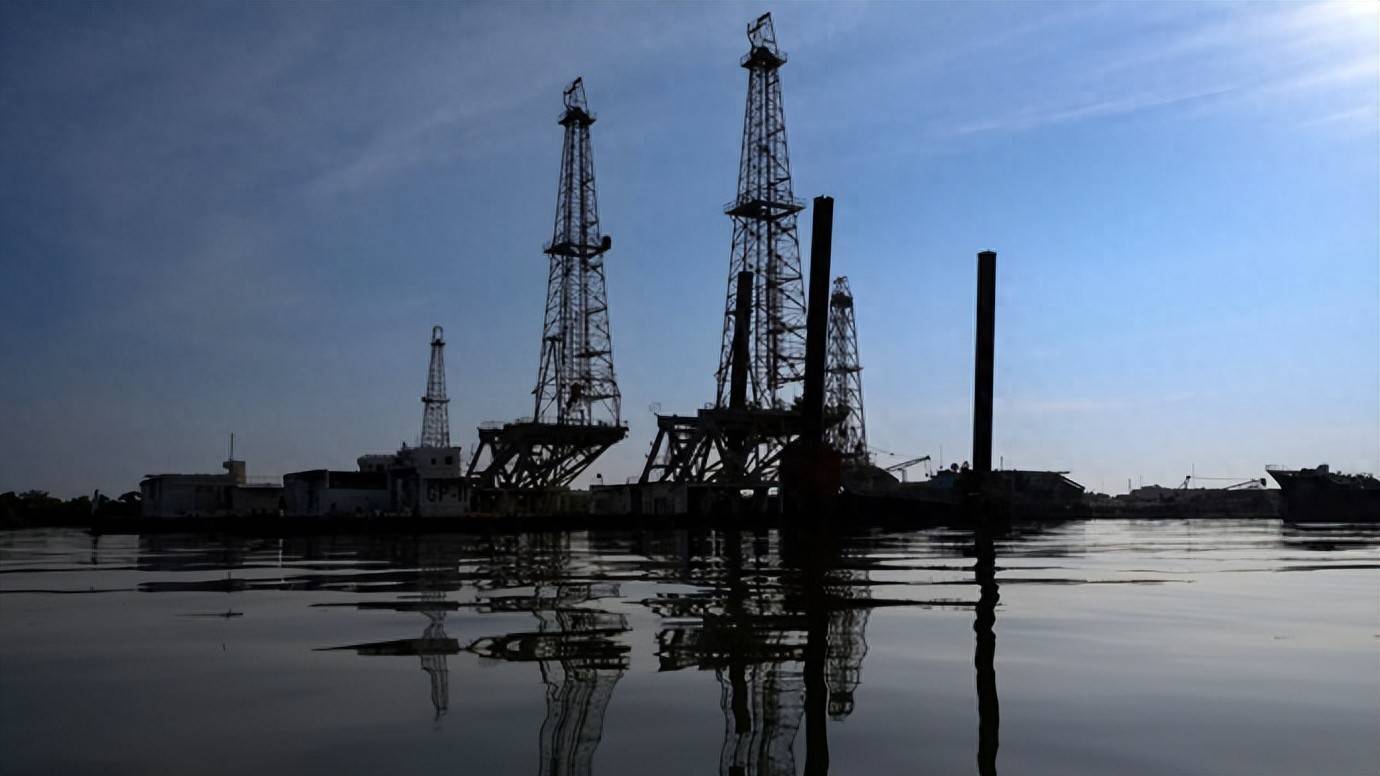
美国绑架委内瑞拉总统,背后的石油博弈
Sou Hu Cai Jing· 2026-01-07 07:45
Group 1 - The core of the U.S. military action against Venezuela is a massive capital extraction operation, primarily targeting the country's oil resources, rather than a genuine pursuit of democracy or anti-drug efforts [1][18] - The U.S. aims to secure access to Venezuela's heavy crude oil, which is essential for its refining infrastructure and industrial needs, as it differs significantly from the light crude oil predominantly produced in the U.S. [3][5] - The proximity of Venezuela to the U.S. (approximately 1000 kilometers) makes it a more cost-effective and efficient source of heavy oil compared to imports from the Middle East [5][7] Group 2 - The U.S. refining capacity in the Gulf of Mexico was originally designed for heavy crude oil, but it currently produces mostly light crude, necessitating a search for stable and affordable heavy oil sources [5] - The political context includes the upcoming 2026 midterm elections in the U.S., where lower oil prices could help alleviate domestic economic pressures and garner support from working-class voters [7] - Venezuela's historical context reveals that it was once a prosperous nation with the largest oil reserves in the world, but has since faced severe economic decline due to mismanagement and over-reliance on oil revenues [9][12] Group 3 - The "resource curse" has led to Venezuela's economic troubles, as the focus on oil has stifled the development of other industries, resulting in a fragile economy vulnerable to external shocks [11][12] - The economic situation in Venezuela has deteriorated significantly, with hyperinflation and extreme poverty affecting the population, leading to a humanitarian crisis [14][16] - The U.S. intervention is framed as a business opportunity rather than a humanitarian effort, highlighting the exploitative nature of the relationship between the two countries [18]