石油投资

Search documents
“堪比小国”,长和石油日产量逼近100万桶!李嘉诚家族持续40年的深谋远虑
Sou Hu Cai Jing· 2026-03-23 02:17
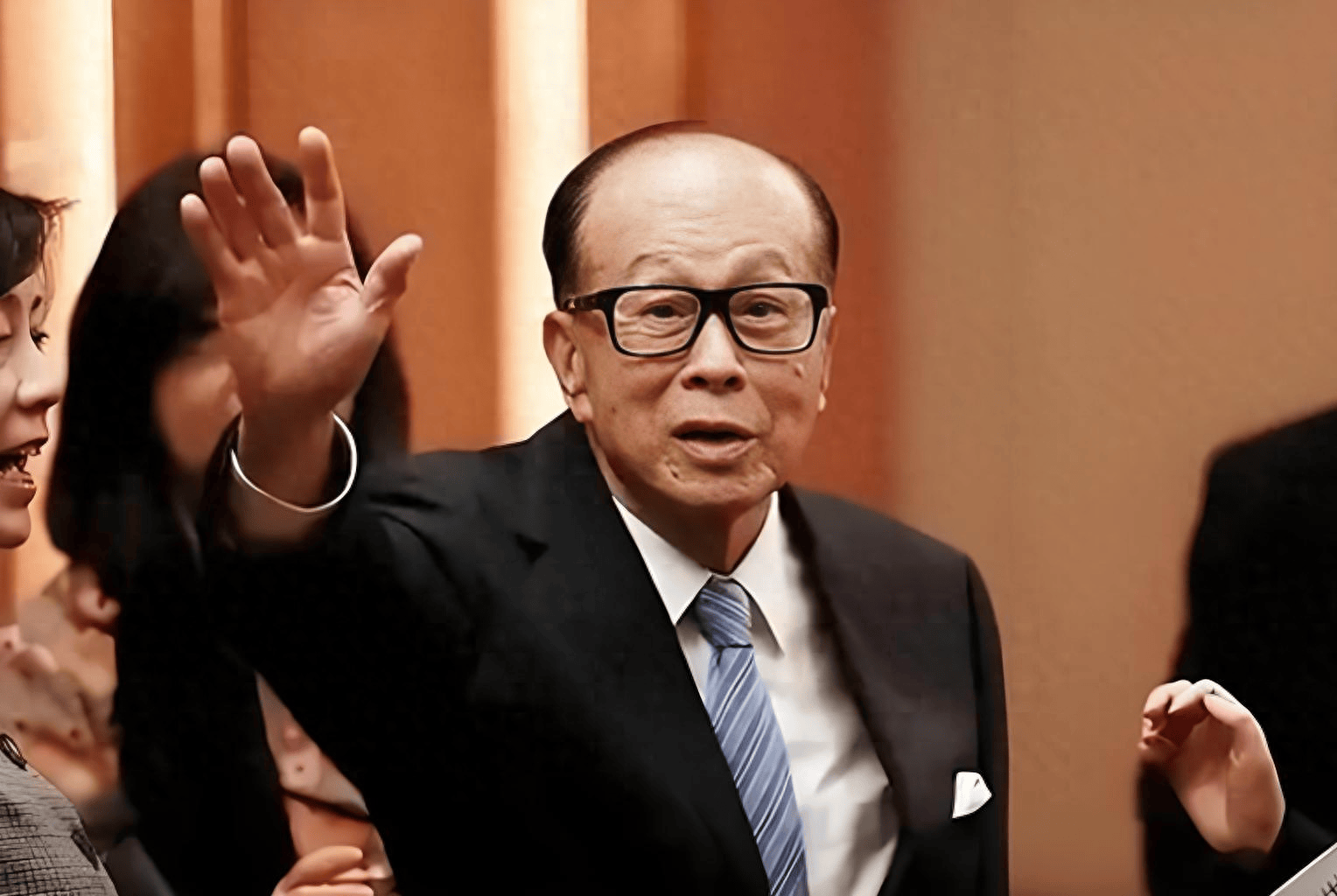
Core Insights - The article highlights the significant achievements of Li Ka-shing's oil empire, particularly the impressive daily oil production nearing 1 million barrels, positioning the company among global oil and gas production leaders [1][3]. Group 1: Investment Strategy - Li Ka-shing's strategic investment in Husky Energy in 1986 for HKD 3.2 billion laid the foundation for his oil empire, capitalizing on a market downturn when oil prices were at a low due to the U.S. shale oil revolution [1][3]. - The acquisition was facilitated by Li's Canadian citizenship, allowing him to bypass local regulations that restricted foreign ownership in energy companies [1]. - The significant drop in Husky's market value by 70% provided an opportune entry point for Li, demonstrating his belief that "there are no best companies, only best prices" [3]. Group 2: Operational Growth - Following the acquisition, Li Ka-shing facilitated a merger between Husky and another energy giant in 2020, elevating Husky to one of Canada's top three oil producers with a daily output of 750,000 barrels [3]. - The company's daily oil production has rapidly approached 1 million barrels due to a series of strategic investments, including a HKD 44.3 billion acquisition of MEG Energy [3]. Group 3: Market Dynamics - The outbreak of the U.S.-Iran conflict led to a surge in international oil prices, reaching USD 110, significantly boosting Li's oil revenues, with potential daily earnings exceeding USD 100 million and annual revenues possibly surpassing USD 36 billion [5]. - The geopolitical landscape, particularly the strained Canada-U.S. relations, has shifted Canadian oil exports towards China, benefiting Li's oil business through increased profits from exports [5]. Group 4: Industry Challenges - Despite the current success, the traditional oil industry faces challenges from the growing emphasis on renewable energy and stricter environmental policies, which could pressure the sector [7]. - The complexities of international political dynamics, market valuation volatility, and uncertainties in technological advancements pose potential risks to Li Ka-shing's business strategies [7].

西方石油公司紧盯委内瑞拉开发协议
Huan Qiu Shi Bao· 2026-03-12 22:59
Group 1 - Major Western oil companies, including Chevron and Shell, are accelerating efforts to reach extraction agreements in Venezuela's oil-rich regions amid global oil market focus due to Middle East tensions [1][2] - Chevron has reached a preliminary agreement with Venezuela's energy sector to expand the Petropiar joint venture, which covers a large block of proven oil resources that has not been developed for over twenty years [1][3] - Shell is negotiating with the Venezuelan government to develop oil fields in the eastern region, which contain valuable light and medium crude oil reserves, and is also exploring natural gas resources [2][3] Group 2 - The recent interest from Western energy companies in Venezuela is primarily driven by reforms to the country's core oil legislation, which have been accelerated since the U.S. military's control over Venezuelan leader Maduro in January [2][3] - Venezuela's legislative body passed comprehensive reforms to its main oil law, granting foreign companies greater autonomy in operations, exports, and sales of oil, with the possibility of reducing royalties and tax rates based on specific circumstances [3] - The U.S. government has taken control of Venezuela's oil exports, with a $2 billion oil supply agreement in place, although only $500 million has been paid so far [4]


哈里伯顿发布招聘启事 向重返委内瑞拉迈出一步
Xin Lang Cai Jing· 2026-01-21 01:03
Core Viewpoint - Halliburton is potentially planning to return to Venezuela, as indicated by its recent job postings for various positions including engineers and technicians [1] Group 1: Company Actions - Halliburton posted job openings on January 16, indicating a recruitment drive for positions in Venezuela, suggesting a possible re-entry into the South American market [1] - The company had exited Venezuela in 2020 due to U.S. sanctions and had laid off all employees at that time [1] - Halliburton is currently seeking candidates for its "talent network" in Venezuela, targeting engineers, technicians, and recent graduates [1] Group 2: Government Influence - The recruitment announcement follows a call from U.S. President Trump for oil companies to invest $100 billion in Venezuela to significantly increase oil production [1] - This political context highlights the potential for changes in the operational landscape for companies like Halliburton in Venezuela [1]

埃克森美孚CEO直言:委内瑞拉石油行业“无投资价值”
财富FORTUNE· 2026-01-16 13:06
Core Viewpoint - Exxon Mobil's CEO Darren Woods stated that Venezuela's oil industry currently lacks investment value and requires significant reforms before any substantial investment can be considered [1][4]. Group 1: Investment Perspectives - President Trump gathered global oil executives to discuss potential investments in Venezuela, aiming for over $100 billion in funding to revitalize the country's oil sector [1][2]. - Woods' comments contrasted sharply with Trump's expectations, as he emphasized the need for careful evaluation before committing funds [4]. - Analyst Jim Wicklund noted that the oil industry shows no urgent desire to return to Venezuela due to political risks outweighing potential financial incentives [3][6]. Group 2: Market Conditions - Venezuela's oil production has drastically decreased to one-third of its early 2000s levels due to mismanagement, strikes, and U.S. sanctions, despite having the largest proven oil reserves [3][6]. - The cost to double Venezuela's current oil production is estimated at $110 billion, while restoring it to 2000 levels could require nearly $185 billion [6]. - The U.S. does not necessarily need Venezuelan oil, as increased production could harm other producers, including those in the U.S. [3][6]. Group 3: Strategic Decisions - Woods indicated that any large-scale investment would require a thorough understanding of financial guarantees, terms, and legal frameworks [4][7]. - Exxon Mobil has been focusing on offshore oil operations in neighboring Guyana, which is seen as a more logical investment compared to Venezuela [6][7]. - The extraction of Venezuela's heavy crude oil is complicated and costly, requiring additional efforts to dilute the oil for extraction [7].

埃克森美孚直言委内瑞拉投资环境恶劣,彰显忤逆特朗普的风险
Xin Lang Cai Jing· 2026-01-13 16:50
Core Viewpoint - ExxonMobil's CEO Darren Woods stated that Venezuela currently "does not have investment conditions," aligning with warnings from other industry leaders and analysts [1][8] Group 1: Industry Sentiment - Oil industry executives are cautious about Venezuela due to its current oil production of approximately 1 million barrels per day, which would require hundreds of billions of dollars in investment to significantly increase [4][11] - There is a consensus among industry leaders that political and legal reforms in Venezuela are necessary before making substantial investment commitments [12] Group 2: Corporate Actions and Reactions - Following Woods' comments, ExxonMobil's stock rose by 2.4%, reaching a historical high [3][10] - Woods expressed confidence in the Trump administration's ability to implement necessary reforms for future investments, surprising the company with the negative reaction to his statements [12] Group 3: Government and Political Dynamics - President Trump expressed discontent with Woods' remarks, suggesting that ExxonMobil might be excluded from the Venezuelan market due to its perceived cleverness [1][9] - The meeting with Trump served as a warning to corporate leaders about the potential risks of attending discussions at the White House, where public pressure can be exerted [2][9] Group 4: Competitive Landscape - Chevron remains the only major international oil company currently operating in Venezuela, while ExxonMobil has previously withdrawn due to asset seizures by the Venezuelan government [12][14] - The complexity of extracting Venezuela's heavy sour crude oil may deter some independent oil companies from pursuing opportunities in the region [14]
美国绑架马杜罗失算,石油公司居然给脸不要脸
Sou Hu Cai Jing· 2026-01-13 08:44
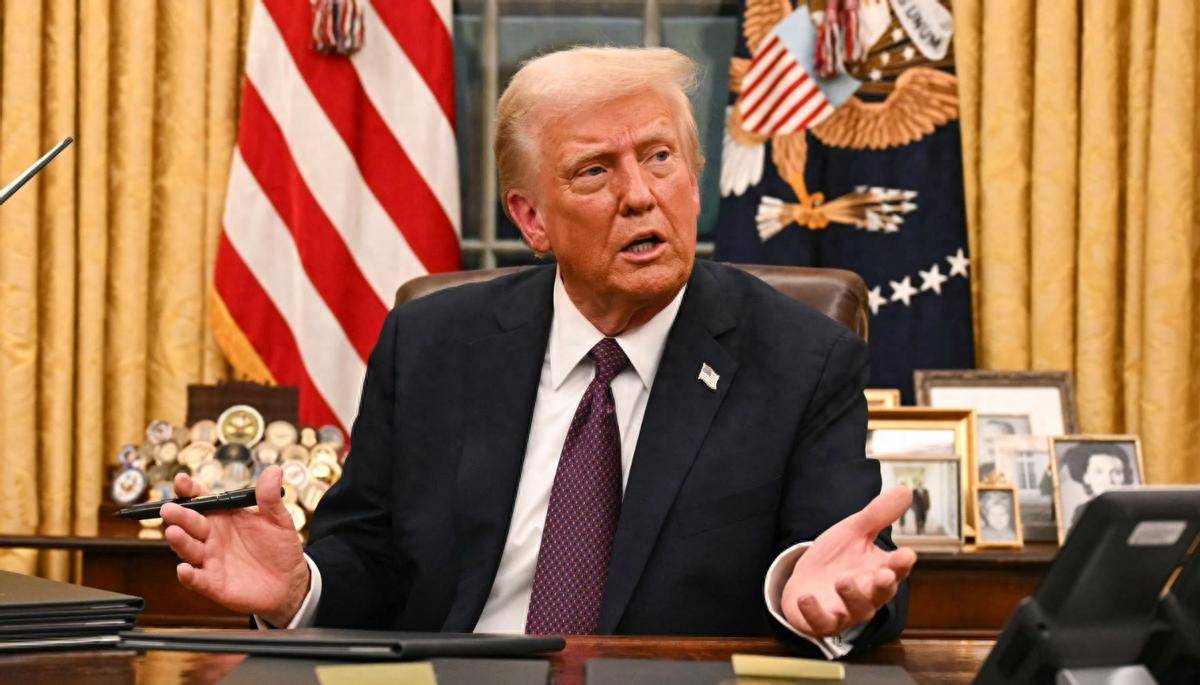
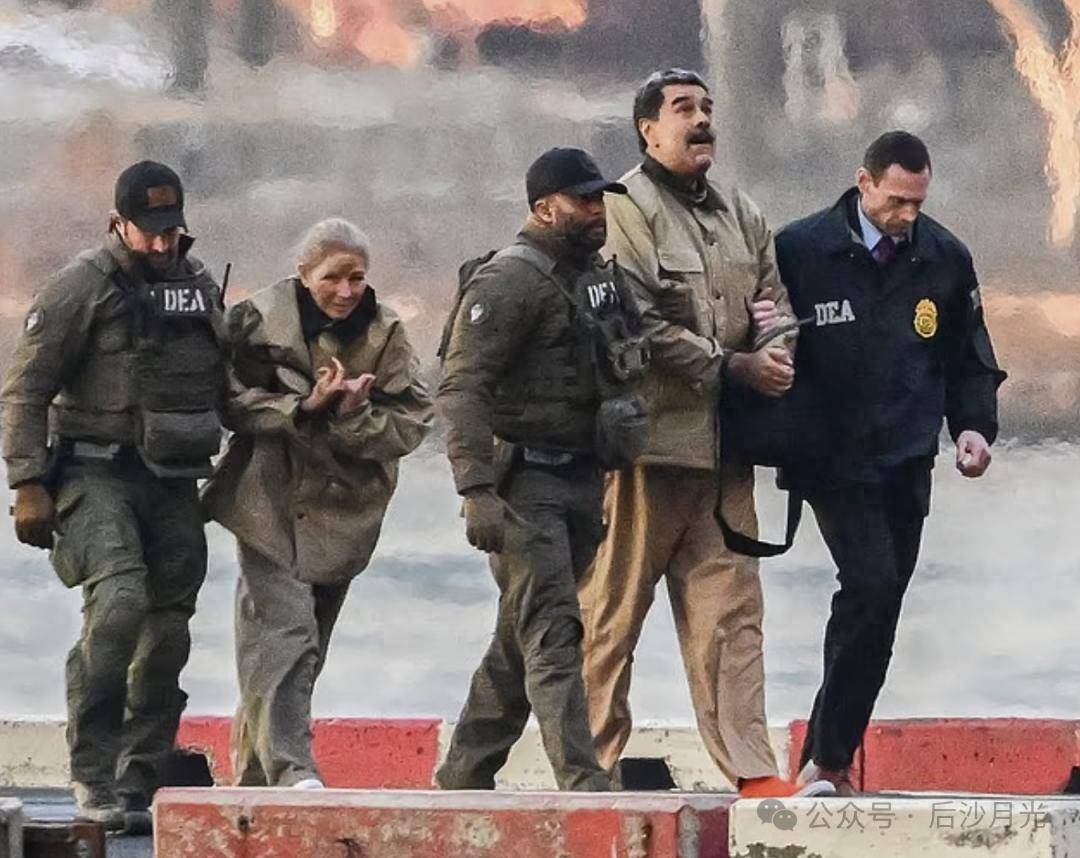
Group 1 - The U.S. military successfully kidnapped Venezuelan President Maduro and his wife, leading to Trump's plan to reward U.S. oil companies with Venezuelan oil resources to stimulate investment and infrastructure repair [1] - Trump announced that U.S. oil companies are prepared to invest billions to rebuild Venezuela's oil infrastructure, with the U.S. now fully controlling Venezuela's oil industry [1][3] - During a meeting with oil executives, Trump expressed optimism about their investment in Venezuela, but the executives collectively rejected his investment plan, citing unfavorable conditions [3][5] Group 2 - Chevron's CEO thanked Trump but did not commit to the investment plan, while ExxonMobil's CEO stated that significant reforms are needed in Venezuela before any investment can occur [5][9] - The meeting atmosphere shifted from celebratory to awkward as oil executives refused to make commitments, highlighting a disconnect between Trump's expectations and the companies' willingness to invest [5][7] - Trump's proposed investment plan required an initial $100 billion for oil production capacity and an additional $50 billion for transportation and refining improvements, which the oil companies found unrealistic given Venezuela's current instability [9]

特朗普:他们太狡猾了
中国能源报· 2026-01-13 03:18
Core Viewpoint - The article discusses the potential restrictions that U.S. President Trump may impose on ExxonMobil's investment in Venezuela, highlighting the complexities of the energy market and the geopolitical implications involved [2][3]. Group 1: Trump's Statements and Actions - President Trump indicated he might block ExxonMobil from investing in Venezuela, expressing dissatisfaction with the company's cautious stance on the investment potential in the country [3]. - During a meeting with executives from major oil companies, including ExxonMobil, Chevron, and ConocoPhillips, Trump encouraged them to explore opportunities in Venezuela, despite ExxonMobil's CEO stating that legal changes are necessary for the country to become an attractive investment destination [4]. Group 2: ExxonMobil's Historical Context - ExxonMobil has a troubled history in Venezuela, having faced nationalization of its assets in 2007, leading to a lawsuit for $12 billion, from which it only recovered a small portion [4]. - Despite recognizing Venezuela's vast oil reserves as an attractive opportunity, many companies remain cautious about re-entering the market due to past experiences [4]. Group 3: Other Companies' Investment Plans - U.S. Energy Secretary Dan Brouillette announced that companies like Chevron, Shell, Repsol, and Eni will "immediately increase" their investments in Venezuela, indicating a shift in strategy among major oil players [5]. - Brouillette mentioned that several U.S. exploration companies are preparing to visit Venezuela for assessments, suggesting a renewed interest in the region's oil potential [5].
特朗普威胁将埃克森美孚排除在委内瑞拉石油业务之外
Xin Lang Cai Jing· 2026-01-12 21:34
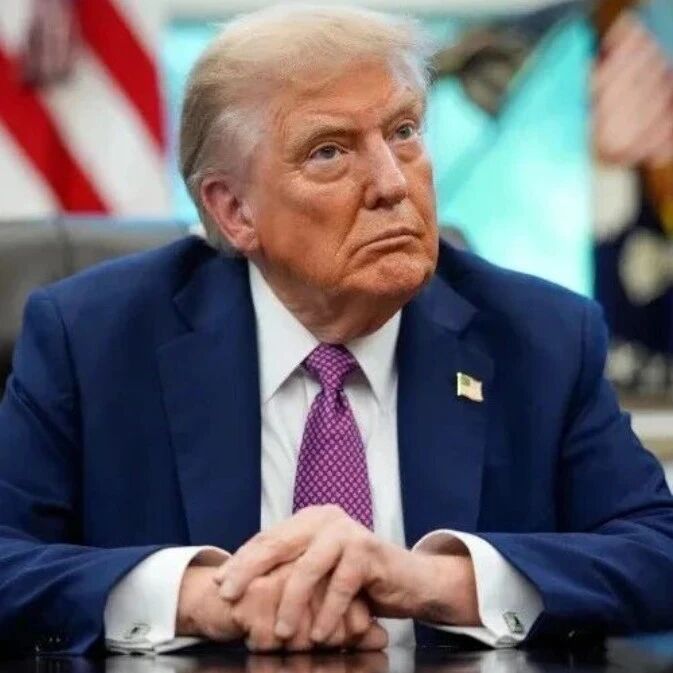
Core Viewpoint - ExxonMobil's CEO Darren Woods faces pressure from President Trump regarding the company's response to re-entering the Venezuelan energy market, with Trump threatening to exclude ExxonMobil from opportunities in Venezuela if he remains dissatisfied with their actions [2][6]. Group 1: Company Position - Woods stated that the current market conditions in Venezuela are "not investable," indicating a cautious stance on re-entering the market without significant changes [2][7]. - ExxonMobil requires substantial changes in Venezuela's business framework, legal system, and hydrocarbon laws, along with a long-term investment protection mechanism before considering a return [7][8]. - The company is prepared to send a technical team to assess the current state of Venezuela's oil industry and related assets [3][7]. Group 2: Industry Context - President Trump has been pressuring U.S. oil companies to invest at least $100 billion in Venezuela's energy sector, promising government security guarantees for these investments [4][8]. - The investment push follows a bold military action by the U.S. aimed at overthrowing Venezuelan President Nicolás Maduro and his wife, Cilia Flores [4][8]. - Chevron remains the only major U.S. oil company still operating in Venezuela, while others express caution about rapidly re-entering the market despite its significant oil reserves [6][10].
特朗普:他们太狡猾了
Xin Lang Cai Jing· 2026-01-12 14:51
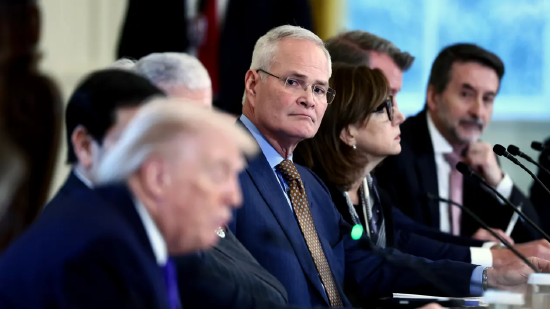
Group 1 - President Trump indicated he might block ExxonMobil from investing in Venezuela, expressing dissatisfaction with the company's cautious stance on the investment potential of the country [2] - ExxonMobil's CEO Darren W. Woods stated that Venezuela needs to amend its laws to become an attractive investment destination, which has drawn attention and weakened the White House's efforts to encourage international energy companies to participate in Venezuela's reconstruction [2] - ExxonMobil has a troubled history in Venezuela, having faced nationalization of its assets in 2007 and subsequently filing a lawsuit for $12 billion in compensation, of which it only recovered a small portion [2] Group 2 - U.S. Energy Secretary Chris Wright announced that major oil companies including Chevron, Shell, Repsol, and Eni will "immediately increase" their investments in Venezuela following discussions with Trump [3] - Wright mentioned that he has contacted several U.S. oil exploration companies that are ready to visit Venezuela for assessments, indicating a proactive approach to investment in the region [3] Group 3 - When asked about the possibility of deploying U.S. security forces to ensure the safety of personnel and assets in Venezuela, Wright stated that this is not being considered, emphasizing that there is no need to force U.S. companies back into the market [4] - Wright expressed optimism that the local security situation in Venezuela would significantly improve within a month, which could facilitate investment opportunities [4]

特朗普对委内瑞拉“石油野心”或吓退投资,数十亿计划悬了?
Sou Hu Cai Jing· 2026-01-12 07:38
Core Viewpoint - The handling of Venezuela by the Trump administration may jeopardize its oil objectives, as emphasized by former National Security Advisor John Bolton, who suggests that focusing on oil deals rather than regime change could deter investment from oil companies [1][3]. Group 1: Investment and Infrastructure - The U.S. government aims to allow major American oil companies to invest billions to repair Venezuela's severely damaged oil infrastructure, with an estimated cost of $183 billion needed for rebuilding the energy sector from 2026 to 2040 [3][5]. - Trump claims that Venezuela will "hand over" up to 50 million barrels of oil, valued at over $2 billion, to benefit both nations [1][3]. - Chevron, the only U.S. company still operating in Venezuela, is currently focused on employee safety and asset integrity [5]. Group 2: Political and Legal Environment - Bolton argues that U.S. oil companies prefer a democratically elected government with an independent judiciary rather than the current Maduro regime, which is viewed as a "thug rule" [3][4]. - The political situation remains uncertain, with Trump seemingly favoring former Vice President Delcy Rodríguez as the interim president, marking a shift from previous policies that supported opposition leaders [3][4]. - Historical context shows that Venezuela nationalized its oil industry in 1976, leading to the expropriation of foreign assets, which has created a legacy of distrust among potential investors [4]. Group 3: Challenges to Investment - The infrastructure in Venezuela is in a dire state due to decades of mismanagement and underinvestment, making it difficult to develop its vast oil reserves [5]. - The lack of political stability and legal order poses significant risks for foreign companies considering investment in Venezuela [5]. - Experts note that while the potential returns on investment could be substantial, the current political and regulatory uncertainties may dampen enthusiasm from oil giants [5].