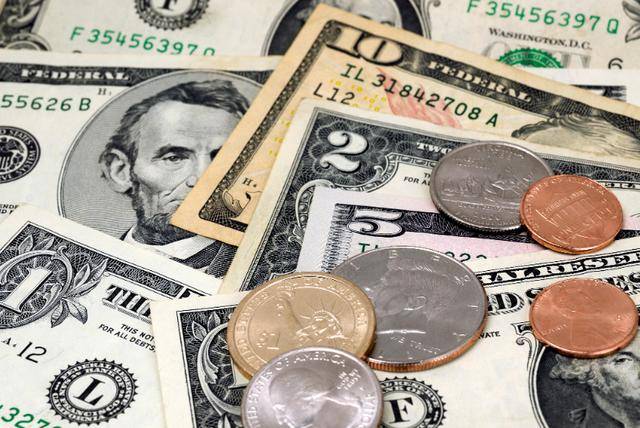
金属货币

Search documents
亚洲洞察-IEEPA 失效 = 短期缓解,中期迷雾-Asia Insights - Asia_ IEEPA invalidation = Near-term relief, medium-term fog
2026-03-01 17:23
Summary of Key Points from the Conference Call Industry Overview - The conference call primarily discusses the implications of the US Supreme Court's (SCOTUS) ruling on the International Emergency Economic Powers Act (IEEPA) tariffs and its impact on trade policies affecting Asia [1][6][24]. Core Insights and Arguments - **Tariff Changes**: The SCOTUS ruling invalidated all tariffs imposed under IEEPA, leading to a temporary 15% import surcharge on most goods imported into the US under Section 122 of the Trade Act of 1974, effective for 150 days from February 24, 2026 [2][3][4]. - **Effective Tariff Rate Reduction**: The effective tariff rate is expected to decrease significantly for China (from 33.9% to 27.7%), followed by Cambodia, Indonesia, Vietnam, and India, which will benefit from lower tariffs on labor-intensive products [10][16][24]. - **Trade Policy Uncertainty**: Despite the near-term relief from lower tariffs, medium-term trade policy uncertainty is anticipated, particularly with the upcoming US midterm elections and potential future tariff increases under Sections 232 and 301 [6][25][26]. - **Impact on Trade Negotiations**: Trade negotiations between Asia and the US are expected to continue but at a slower pace due to legal uncertainties surrounding existing trade agreements [11][14][26]. Additional Important Content - **Sector-Specific Benefits**: Labor-intensive sectors such as textiles, toys, and electrical machinery are expected to benefit the most from the tariff reductions, while sectors already under Section 232 tariffs will see no changes [17][24]. - **Exemptions from Tariffs**: Certain products, including critical minerals, pharmaceuticals, and specific agricultural products, will be exempt from the new 15% tariff [7]. - **Legal Implications for Trade Deals**: The legality of existing bilateral trade agreements is uncertain, as many were based on the now-invalidated IEEPA modifications. Countries with negotiated tariff rates above 15% may face challenges in finalizing their agreements [12][13]. - **Market Reactions**: The initial market response to the SCOTUS ruling has been mixed, with expectations of a broad outperformance of Asian currencies against the USD, although potential future tariff increases could dampen this effect [27][28][29]. Conclusion - The SCOTUS ruling presents a complex landscape for Asia's trade dynamics, offering short-term relief through lower tariffs while introducing significant uncertainty regarding future trade policies and negotiations with the US. The overall sentiment is cautiously optimistic, with a focus on navigating the evolving trade environment [24][25][26].
货币怎样来到人世间的?像马克思所说那样它每个毛孔都滴着血吗?
Sou Hu Cai Jing· 2025-07-13 09:17
Group 1 - The core idea revolves around the evolution of currency and its relationship with human nature, suggesting that understanding the development of currency can reveal deeper insights into human behavior [1][15] - Currency has undergone several developmental stages: barter, emergence of general equivalents, metal currency, paper money, and digital currency, each representing a step forward in both currency and human nature [3][10][14] - The initial absence of currency was due to a self-sufficient production model in early human societies, where goods were not exchanged, indicating a primitive stage of human development [3][5] Group 2 - The transition from no exchange to barter marked the first step towards civilization, as it aimed to avoid war and promote peace, highlighting the dual themes of war and peace in human development [7][8] - The emergence of general equivalents was necessary to facilitate trade, as early barter systems faced challenges in matching needs, leading to the development of items like shells and livestock as mediums of exchange [9] - The shift from general equivalents to metal currency was crucial, as metals like gold and silver offered durability and ease of use, becoming the primary form of currency [10][12] Group 3 - The introduction of paper money represented a significant transformation in currency, with the first known paper currency, "jiaozi," emerging in China, which later influenced global monetary systems [12][15] - Digital currency represents the latest evolution in the currency system, driven by globalization and technological advancements, leading to more efficient transaction methods [14][15] - Currency itself is neutral, but it can evoke both positive and negative aspects of human nature, depending on how individuals choose to use it, emphasizing that the morality of currency is determined by its users [15]