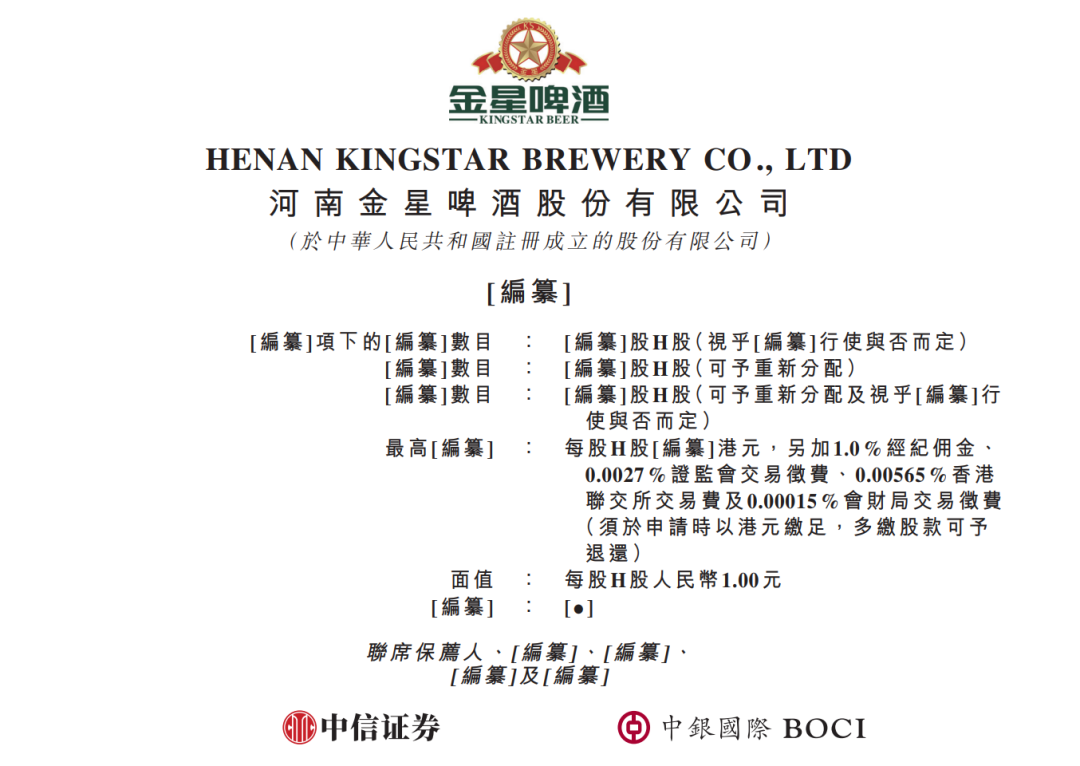
金星信阳毛尖中式精酿啤酒(金星毛尖)

Search documents
一家冲刺港股,一家破产重整,精酿啤酒冰火两重天?
Sou Hu Cai Jing· 2026-01-16 12:16
Core Viewpoint - The contrasting fates of Henan Jinxing Brewery and Shandong Taishan Brewery highlight the competitive dynamics within China's craft beer industry, with Jinxing poised for an IPO while Taishan faces bankruptcy restructuring [1][10]. Company Overview - Jinxing Brewery, founded in 1982, initially struggled but became a market leader in Henan by 1993 under the leadership of Zhang Tieshan [2]. - Taishan Brewery, once a strong player in the market, is now undergoing bankruptcy restructuring due to severe financial distress [7][9]. Financial Performance - Jinxing Brewery reported a revenue increase of 191.34% to 1.11 billion yuan and a net profit surge of 1095.84% to 305 million yuan in the first nine months of 2025 [7]. - Taishan Brewery's total assets were approximately 622 million yuan, with liabilities reaching 663 million yuan, resulting in a debt ratio of 106.63% [9]. Market Dynamics - The craft beer market in China has surpassed 80 billion yuan and is projected to reach 160 billion yuan by 2026, becoming the only segment in the beer industry experiencing growth [10]. - The industry is witnessing a "three-legged" competitive landscape, with traditional giants leveraging channel advantages, retail companies disrupting with low-price strategies, and independent brands focusing on innovation [10]. Strategic Insights - Taishan Brewery's challenges stem from aggressive expansion driven by performance pressure, neglecting the cash flow and supply chain demands of the craft beer sector [10]. - Jinxing Brewery's success is attributed to its alignment with consumer trends through product innovation and channel adaptation, emphasizing the importance of balancing innovation with stability in a competitive market [10]. Industry Implications - The contrasting situations of Jinxing and Taishan serve as a warning to industry players: in a billion-yuan market, balancing innovation with prudent management and accurately addressing consumer needs is crucial for survival [10][11].

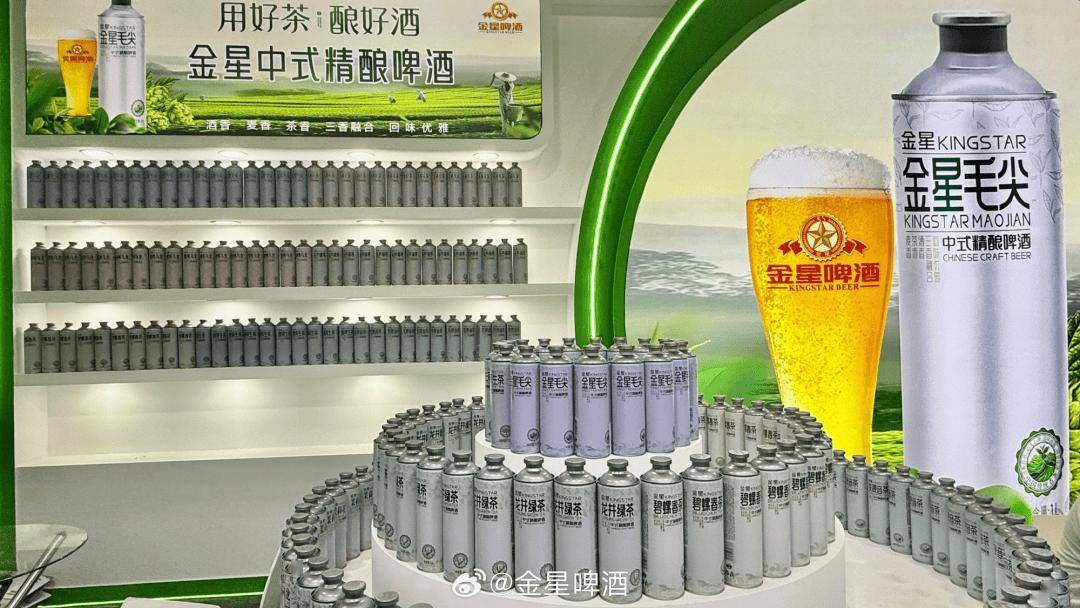
金星啤酒冲港IPO:“中式精酿”能让老牌酒企翻身吗?
Xin Lang Cai Jing· 2026-01-16 03:42
Core Viewpoint - The IPO story of Jin Xing Beer represents a balance-seeking journey amid explosive growth, single-category risk, family control versus modern governance, and being a pioneer in a new category while facing competition from industry giants [3][19][32] Group 1: Company Background and Development - Jin Xing Beer started in 1982 as a village-run brewery in Zhengzhou, facing bankruptcy shortly after its establishment [3][19] - Under the leadership of Zhang Tieshan, the company expanded its operations throughout Henan province and became the industry leader by 1993 [3][19] - The company capitalized on the national expansion of the beer industry in the late 1990s and early 2000s, establishing production bases in various provinces [3][19] Group 2: Product Innovation and Market Position - The turning point for Jin Xing Beer came in August 2024 with the launch of its first Chinese craft beer, Jin Xing Xinyang Maojian, which quickly gained consumer popularity [4][20] - The company successfully created a new category of "Chinese craft beer" and has since introduced a variety of innovative products [5][21] - By 2025, the revenue share of craft beer surged to 78.1%, while traditional products dropped to 16.6% [7][23] Group 3: Financial Performance - Jin Xing Beer experienced explosive growth, with revenue increasing from 356 million yuan in 2023 to 1.109 billion yuan in the first three quarters of 2025, and net profit rising from 12.2 million yuan to 305 million yuan [6][22] - The introduction of craft beer significantly improved the company's gross margin from 27.3% in 2023 to 47.0% in 2025 [7][23] - The pricing strategy for craft beer, set at approximately 20 yuan per can (1L), allowed for a price increase of 60% to 100% compared to traditional products [7][23] Group 4: Competitive Landscape and Market Dynamics - Despite its growth, Jin Xing Beer remains significantly smaller than industry giants, with its revenue being about 1/12 of leading companies like Yanjing Beer [8][25] - The company achieved a remarkable 191% year-on-year revenue growth, outpacing the industry average, and is positioned as the eighth largest beer company in China [8][25] - The craft beer market in China is rapidly expanding, with a projected growth rate of 38.4% from 2019 to 2024, indicating a favorable environment for Jin Xing Beer [15][31] Group 5: Challenges and Risks - Jin Xing Beer faces risks related to its heavy reliance on the single category of craft beer, which accounted for 78.1% of its revenue by 2025 [12][29] - The company's governance structure, characterized by concentrated family ownership, raises concerns about transparency and decision-making processes [12][29] - Increased competition from both local breweries and major players like China Resources, Carlsberg, and Budweiser entering the craft beer market poses a significant challenge [13][30]
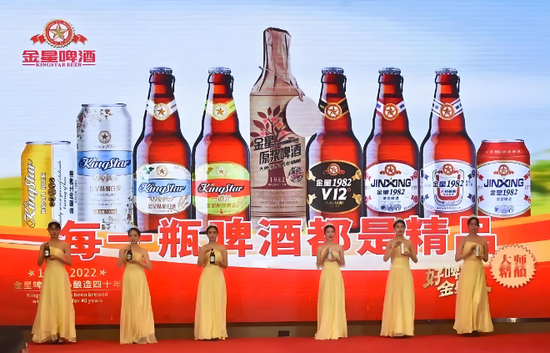
业绩翻倍增长,中式精酿啤酒开创者冲击IPO
中国基金报· 2026-01-14 14:39
Core Viewpoint - Jin Xing Beer is preparing for an IPO on the Hong Kong Stock Exchange, capitalizing on the growing trend of craft beer in China, particularly with its innovative products like tea-flavored beer [2][3][4]. Company Overview - Jin Xing Beer, established in 1982, has transitioned from producing industrial beer to becoming a leader in the craft beer segment, particularly with its introduction of Chinese-style craft beers [6][7]. - The company reported a significant revenue increase, with a 191.34% year-on-year growth to 1.11 billion RMB in the first nine months of 2025, and a net profit increase of 1095.84% to 305 million RMB [4][9]. Market Position - As of the first nine months of 2025, Jin Xing Beer holds a 14.6% market share, making it the third-largest craft beer company in China and the largest in the flavored craft beer segment [4]. - The Chinese flavored craft beer market is projected to grow from 15 billion RMB in 2019 to 111 billion RMB by 2024, with a compound annual growth rate (CAGR) of 49.3% [8]. Financial Performance - The financial data shows a steady increase in revenue and profit: - 2023: Revenue of 356 million RMB, net profit of 12 million RMB - 2024: Revenue of 730 million RMB, net profit of 125 million RMB - 2025 (first nine months): Revenue of 1.11 billion RMB, net profit of 305 million RMB [10][9]. - The revenue from Chinese-style craft beer reached 867 million RMB in the first nine months of 2025, accounting for 78.1% of total revenue [11]. Ownership Structure - The ownership of Jin Xing Beer is highly concentrated, with the Zhang family controlling over 90% of the shares, which allows for governance aligned with family interests [15][18]. - The company has completed three rounds of financing, with the primary shareholders being family members, including Zhang Tieshan and his son Zhang Feng [17]. Dividend Policy - In 2025, Jin Xing Beer distributed a total of 229 million RMB in dividends, which is 182.6% of its net profit for 2024, raising concerns about the sustainability of its financial practices [19][20]. Industry Competition - The craft beer market in China is rapidly expanding, with the overall market size expected to reach nearly 200 billion RMB by 2029, attracting various competitors including traditional beer giants and retail companies [23]. - The lack of standardized regulations for craft beer poses challenges, as many products labeled as craft beer still fall under industrial beer categories [22]. Innovation and Challenges - Jin Xing Beer has introduced new products to cater to diverse consumer tastes, such as ice sugar hawthorn and sugar orange flavored beers [13]. - The company faces seasonal sales challenges, with a notable drop in sales starting in October, while competitors are innovating to mitigate these fluctuations [25].
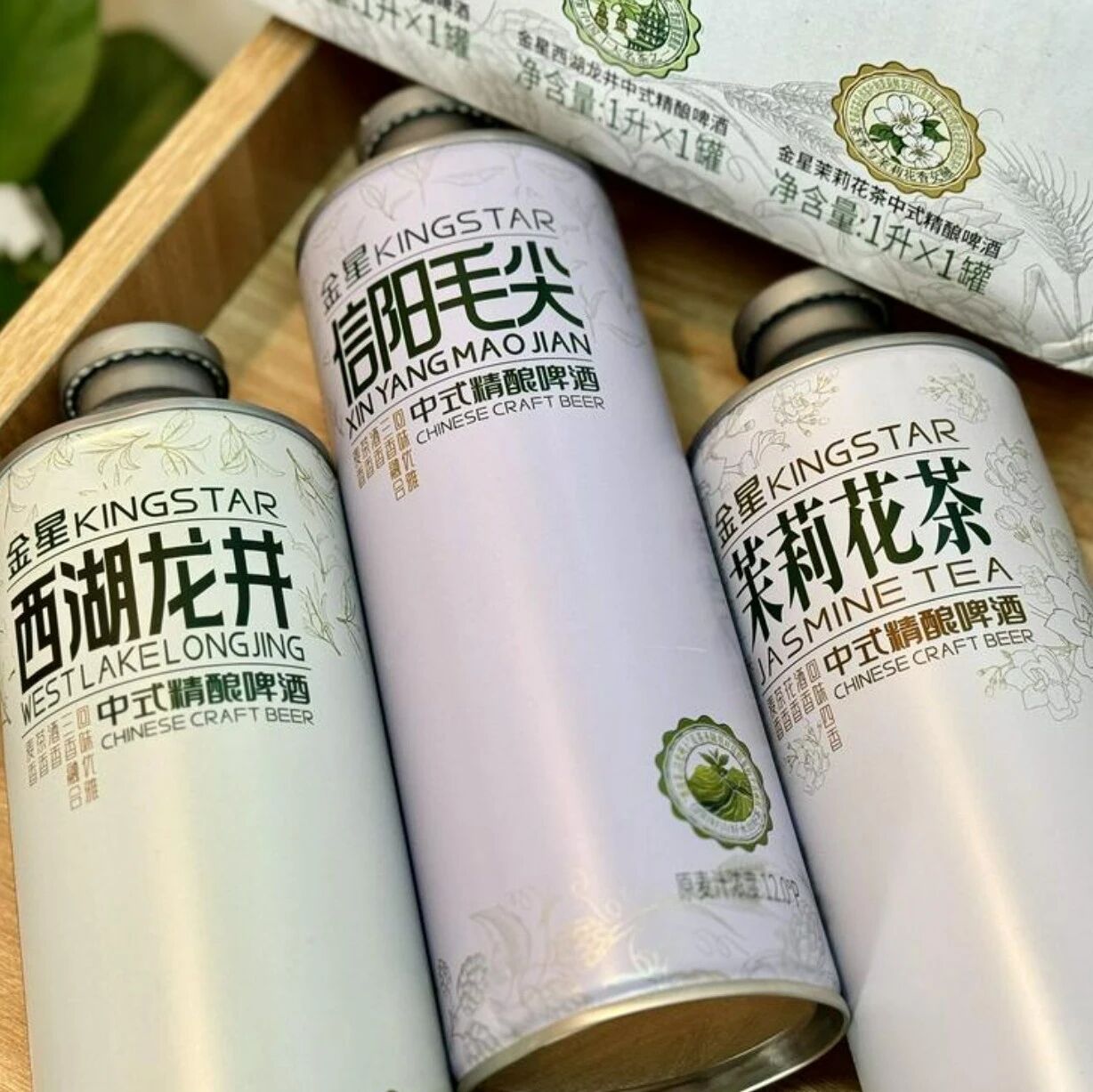
业绩翻倍增长 中式精酿啤酒开创者冲击IPO
Zhong Guo Ji Jin Bao· 2026-01-14 14:32
Core Viewpoint - Jin Xing Beer is set to go public on the Hong Kong Stock Exchange, following a significant surge in performance driven by the popularity of its innovative Chinese craft beers, particularly the Jin Xing Xinyang Maojian craft beer [1][2][4]. Company Overview - Jin Xing Beer, established in 1982, has transitioned from producing industrial beers to becoming a leader in the Chinese craft beer market, particularly with its introduction of tea-infused craft beers [5][6]. - The company has experienced explosive growth, with revenue increasing by 191.34% to 1.11 billion RMB and net profit soaring by 1095.84% to 305 million RMB in the first nine months of 2025 [4][7]. Financial Performance - In 2023, the company reported revenue of 356 million RMB, which increased to 730 million RMB in 2024, and further to 1.11 billion RMB in the first nine months of 2025 [9][10]. - The gross profit margin has improved significantly, with gross profit rising from 97 million RMB in 2023 to 521 million RMB in 2025 [9]. - The revenue from Chinese craft beers accounted for 78.1% of total revenue in the first nine months of 2025, highlighting a shift in the company's revenue structure [10]. Market Position - Jin Xing Beer is recognized as the third-largest craft beer company in China and the largest flavor craft beer producer, holding a market share of 14.6% [4]. - The Chinese flavor craft beer market is projected to grow from 15 billion RMB in 2019 to 111 billion RMB in 2024, with a compound annual growth rate (CAGR) of 49.3% [7]. Ownership Structure - The ownership of Jin Xing Beer is highly concentrated, with the Zhang family controlling over 90% of the shares, which allows for governance aligned with family interests [12][14]. - The company has distributed substantial dividends, totaling 229 million RMB in early 2025, which is 182.6% of the net profit for 2024 [16][17]. Industry Dynamics - The craft beer market in China is rapidly evolving, with the overall market size expected to reach nearly 200 billion RMB by 2029, attracting various competitors including traditional beer giants and retail companies [19][20]. - The lack of established industry standards for craft beer poses challenges, as many products labeled as craft still resemble industrial beers [19]. - New entrants, such as Mixue Group, are entering the market with competitive pricing strategies, which may alter the competitive landscape [20][21]. Future Plans - The IPO proceeds will be primarily used to enhance production capacity, strengthen multi-channel networks, and improve marketing and digital capabilities [23].
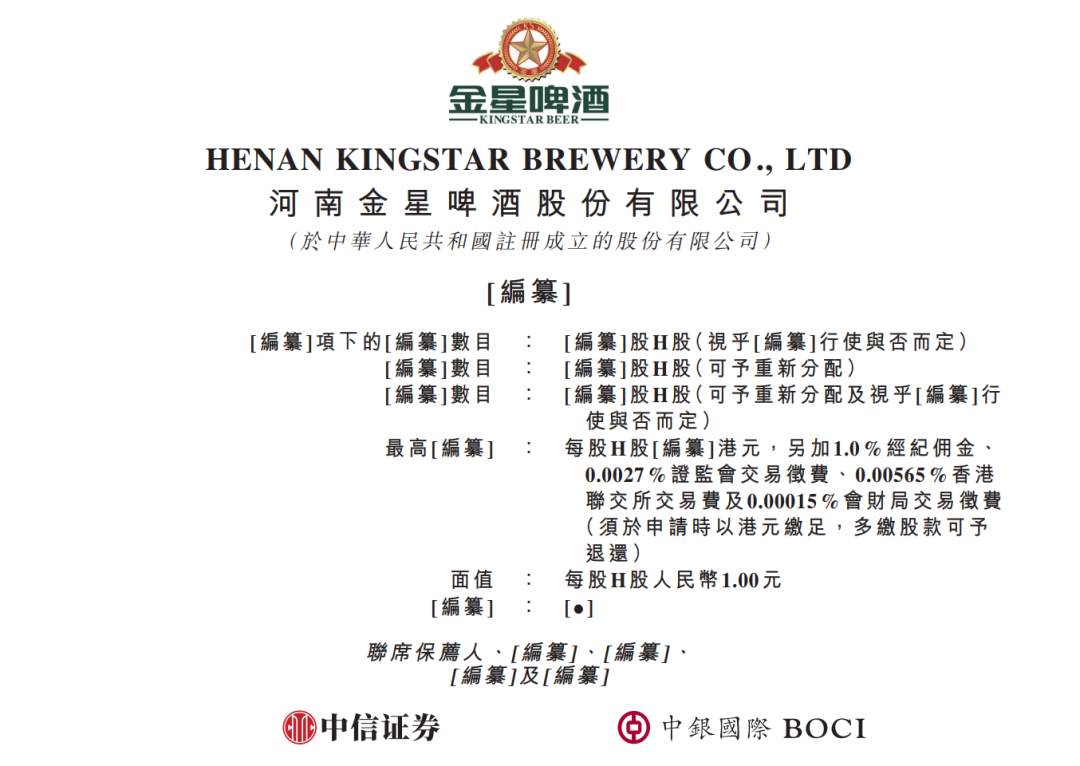
业绩翻倍增长,中式精酿啤酒开创者冲击IPO
Zhong Guo Ji Jin Bao· 2026-01-14 14:13
Core Viewpoint - Jin Xing Beer is preparing for an IPO on the Hong Kong Stock Exchange, capitalizing on its recent success in the craft beer market with innovative products like the "Xinyang Maojian Chinese Craft Beer" [1][2]. Company Overview - Founded in 1982, Jin Xing Beer has transitioned from producing industrial beer to becoming a leader in the Chinese craft beer segment, particularly with its introduction of tea-infused beers [4][5]. - The company has seen significant growth, with revenue increasing by 191.34% year-on-year to 1.11 billion RMB in the first nine months of 2025, and net profit soaring by 1095.84% to 305 million RMB [4][8]. Financial Performance - In 2023, the company reported revenue of 356 million RMB, with a gross profit of 97 million RMB and a net profit of 12 million RMB [6][10]. - The introduction of the "Jin Xing Maojian" beer in 2024 marked a turning point, leading to a revenue of 730 million RMB and a net profit of 1.25 million RMB in 2024 [8][10]. - By 2025, the revenue from craft beer reached 867 million RMB, accounting for 78.1% of total revenue [11]. Market Position - Jin Xing Beer is the third-largest craft beer company in China and the largest in the flavored craft beer segment, holding a market share of 14.6% [4][7]. - The Chinese flavored craft beer market is projected to grow from 15 billion RMB in 2019 to 111 billion RMB by 2024, with a compound annual growth rate (CAGR) of 49.3% [7]. Ownership Structure - The ownership of Jin Xing Beer is highly concentrated, with the Zhang family controlling over 90% of the shares, which allows for governance aligned with family interests [13][15]. - The company has distributed significant dividends, totaling 229 million RMB, which is 182.6% of the net profit for 2024 [17][18]. Industry Dynamics - The craft beer market in China is rapidly expanding, with the market size expected to reach nearly 200 billion RMB by 2029, driven by competition from traditional beer giants and new entrants [20][21]. - The lack of established standards for craft beer in China poses challenges, as many products labeled as craft still resemble industrial beer [20]. - Seasonal sales fluctuations are a common issue, but innovative product offerings can help mitigate these challenges [22]. Future Outlook - Jin Xing Beer plans to use the funds raised from the IPO to enhance production capacity, strengthen its distribution network, and invest in marketing and digital capabilities [23].