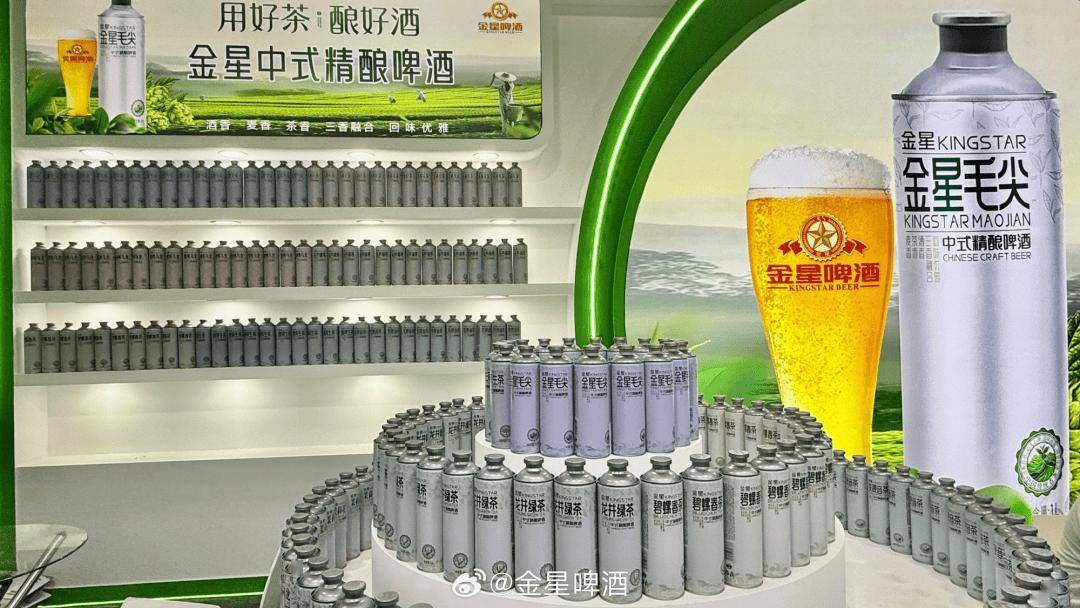
中式精酿啤酒

Search documents
一文拆解金星啤酒招股书:“金”酿升级,成长新“星”
GOLDEN SUN SECURITIES· 2026-01-29 11:25
Investment Rating - The report rates the industry positively, highlighting the growth potential of the craft beer segment and the leading position of the company in this market. Core Insights - The company is positioned as a leader in the Chinese craft beer market, benefiting from the expansion of the craft beer segment and innovative product offerings. It has shown significant revenue and profit growth, with a retail revenue CAGR of 23.7% from 2022 to 2024, and a remarkable increase in net profit by 928% year-on-year in 2024 [9][20]. Company Overview - The company, established in 1982, has evolved into a leading brand in the Chinese craft beer sector, with a diverse product portfolio that includes lager and wheat beers, as well as innovative tea-flavored craft beers [9][10]. - As of Q1-Q3 2025, the company ranked eighth in the Chinese beer industry and fifth among domestic brands, while being the third largest craft beer company in China [9]. Financial Performance - Revenue increased from 3.56 billion to 7.3 billion yuan from 2023 to 2024, representing a year-on-year growth of 104.87%. For Q1-Q3 2025, revenue further surged to 11.1 billion yuan, marking a 191.16% increase year-on-year [20][23]. - Net profit rose from 0.12 billion to 1.25 billion yuan during the same period, with a staggering year-on-year growth of 1095.84% in Q1-Q3 2025, reaching 3.05 billion yuan [20][23]. Business Performance - The company focuses on the craft beer segment, with a product matrix that includes traditional and innovative offerings. The craft beer segment accounted for 78.1% of total revenue in Q1-Q3 2025, with a year-on-year growth of 2331.97% [38][42]. - Traditional beer categories, such as the 1982 raw beer and new generation beer, have shown declining performance, indicating a shift in consumer preference towards craft beers [42]. Distribution Channels - The company primarily relies on offline distribution, which accounted for 81% of total revenue in 2024. The online direct sales channel has also seen significant growth, with a year-on-year increase of 2172.17% in 2024 [49]. - The company has expanded its distribution network across various regions, with a focus on increasing its presence in the central and southern regions of China [49]. Future Strategy - The company plans to diversify its product offerings under the "Blue Horse" brand, introducing new products such as rice wine and non-alcoholic tea beer to capture a broader market [71]. - Marketing efforts will focus on enhancing brand visibility through collaborations with influencers and targeted campaigns on social media platforms [71]. Industry Situation - The overall beer market in China is expanding, with a projected market size growth from 604.3 billion yuan in 2019 to 734.7 billion yuan in 2024, reflecting a CAGR of 4.0% [77]. - The craft beer segment is experiencing rapid growth, with a CAGR of 38.4% from 2019 to 2024, indicating a strong consumer shift towards premium and innovative beer products [77][78].
冲击“中式精酿第一股”,金星啤酒能否圆梦资本市场?
Sou Hu Cai Jing· 2026-01-26 15:35
Core Viewpoint - Henan Jinxing Beer Co., Ltd. is seeking to become the first "Chinese craft beer" stock by applying for an IPO on the Hong Kong Stock Exchange, leveraging its innovative products to achieve significant revenue growth despite challenges in governance and market competition [1][5][15]. Financial Performance - The company's revenue surged from 356 million yuan in 2023 to 1.109 billion yuan in the first nine months of 2025, while net profit increased from 12.2 million yuan to 305 million yuan during the same period [2][8]. - The introduction of its first craft beer product, Jinxing Maojian Beer, significantly boosted performance, with sales reaching 6 tons on the first day and over 100 million cans within 10 months [7][8]. Product Strategy - Jinxing Beer has adopted a differentiation strategy in the craft beer segment, launching products that combine traditional Chinese ingredients like tea and fruit with brewing techniques, including Maojian, Longjing green tea, and various flavored beers [8][9]. - The craft beer products are priced at 20 yuan per 1L can, which is higher than traditional beer, contributing to improved gross margins, with gross margin rising from 27.3% in 2023 to 47.0% in the first three quarters of 2025 [8][9]. Market Challenges - The company faces structural risks due to its heavy reliance on a single product category, with 78.1% of revenue coming from craft beer [9]. - Increased competition from established brands like Qingdao and Yanjing, which have also entered the craft beer market, poses a threat, especially with lower-priced alternatives emerging [9][10]. Governance Issues - Jinxing Beer operates under a family-controlled structure, with the founders holding 93.45% of the equity, raising concerns about governance and potential conflicts of interest [12][13]. - The company has faced criticism for large dividend payouts while neglecting employee social security contributions, totaling 21.9 million yuan [12][13]. Future Plans - The company plans to use IPO proceeds to enhance production capacity, strengthen its distribution network, and invest in brand building and digital upgrades [15]. - Jinxing Beer aims to lead the standardization of the craft beer market in China, which currently lacks unified definitions and standards [15].


金星啤酒冲击港股上市,或成“中式精酿第一股”
Nan Fang Nong Cun Bao· 2026-01-23 01:30
Core Viewpoint - Jin Xing Beer is seeking to go public on the Hong Kong Stock Exchange, potentially becoming the first "Chinese craft beer stock" in the market [2][3]. Company Overview - Jin Xing Beer, established in 1982, is the eighth largest brewery in China, with 16 production bases across nine provinces and an annual production capacity of 2 million tons [6][7]. - The company has shifted its focus from traditional industrial beer to Chinese craft beer, launching its first craft product, "Jin Xing Mao Jian" tea beer, in August 2024 [9][10]. Product Development - The successful launch of tea beer has led to the rapid development of over 50 craft beer SKUs, including jasmine tea and sugar-coated hawthorn flavors, creating a diverse product matrix [12][13]. - Since the launch of Jin Xing Mao Jian, the company has achieved sales exceeding 100,000 tons within approximately 10 months, expanding its market presence to international locations such as the UK, Australia, New Zealand, UAE, and Southeast Asia [14][15]. Financial Performance - Jin Xing Beer has experienced significant financial growth, with revenue projected to increase from 356 million RMB in 2023 to 730 million RMB in 2024, and further to over 1.1 billion RMB in the first three quarters of 2025, representing a growth of over 200% in two years [20][21]. - Net profit is expected to surge from 12 million RMB in 2023 to 1.25 billion RMB in 2024, and reach 305 million RMB in the first three quarters of 2025, marking an increase of over 24 times compared to 2023 [22][23]. - The company's debt-to-asset ratio has dramatically decreased from 2250% in 2023 to 11.1% in the first three quarters of 2025, reflecting improved financial health [25][26]. Market Trends - The craft beer market in China is expanding rapidly, with retail sales projected to grow from 12.5 billion RMB in 2019 to 63.2 billion RMB in 2024, achieving a compound annual growth rate of 38.4% [38][39]. - Jin Xing Beer has become the largest flavored craft beer company in China, capturing a market share of 14.6% by September 2025 [41]. Competitive Landscape - The craft beer sector is attracting significant interest from major players, including liquor giants and leading breweries, which may pose competitive challenges for Jin Xing Beer [46][48]. - The pricing strategy of Jin Xing Beer, with its craft beer priced at 20 RMB per 1000mL, is notably higher than competitors like Mijiu Ice City, which offers products at 5.9 RMB per 500mL [48][49].

金星啤酒港股IPO闯关,中式精酿神话下的多重拷问
Sou Hu Cai Jing· 2026-01-21 15:14
Core Viewpoint - Henan Jinxing Beer Co., Ltd. has submitted its IPO application to the Hong Kong Stock Exchange, showcasing impressive growth figures but facing significant concerns regarding sustainability and governance issues [1][12]. Financial Performance - Revenue is projected to increase from 356 million RMB in 2023 to 1.11 billion RMB by 2025, while net profit is expected to surge from 12.2 million RMB to 30.5 million RMB, marking a 24-fold increase in two years [1][3]. - The gross profit margin is anticipated to rise from 27.3% to 47% during the same period [1]. Product Innovation - The launch of "Jinxing Maojian" tea beer in August 2024 marked a pivotal shift for the company, contributing significantly to sales with 10 million cans sold within 10 months [2]. - By 2025, the Chinese craft beer segment accounted for 78.1% of Jinxing's revenue, establishing it as a leading player in the flavored craft beer market with a 14.6% market share [2][4]. Market Challenges - The company faces challenges from increased competition as major players like China Resources and Budweiser enter the craft beer market with similar products [6]. - Jinxing's reliance on a single product category raises concerns about sustainability, as traditional products are declining in revenue [4][6]. Governance and Compliance Issues - The company has distributed dividends totaling 329 million RMB, exceeding its profits for the first three quarters of 2025, raising questions about financial management [8][10]. - Governance concerns are highlighted by the family's absolute control over 93.45% of the shares, which may signal a lack of confidence in reinvesting in the company [10][12]. - There are significant issues regarding unpaid social security and housing fund contributions, totaling over 21.9 million RMB, which could lead to legal repercussions [11][12]. Asset Ownership Concerns - Approximately 25.7% of Jinxing's owned properties lack proper ownership certificates, which could expose the company to administrative penalties [12]. - The company acknowledges potential risks associated with these ownership issues, which could adversely affect its business and financial status [12]. Market Outlook - The craft beer market in China is projected to grow from 12.5 billion RMB in 2019 to 63.2 billion RMB by 2024, with a compound annual growth rate of 38.4% [6]. - The success of Jinxing's IPO will depend on its ability to manage risks and demonstrate sustainable growth potential in a competitive landscape [13].
携“中式精酿”令牌 金星啤酒“瘸腿”赶考IPO
Bei Jing Shang Bao· 2026-01-20 14:51
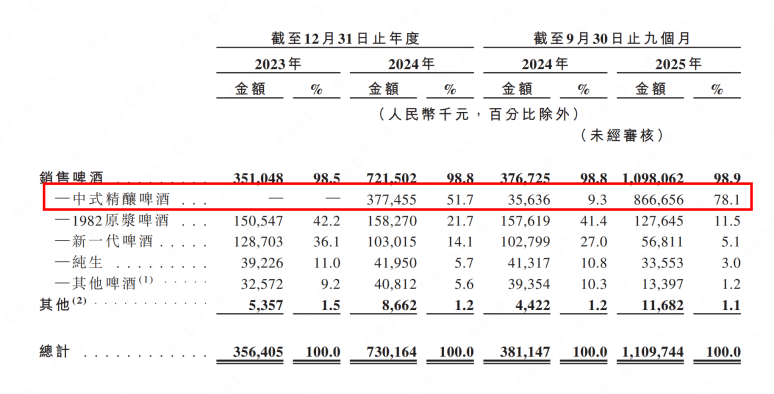
Core Viewpoint - Jin Xing Beer is preparing to list on the Hong Kong Stock Exchange, marking a significant step in its long journey towards capital market entry, driven by the rising trend of Chinese craft beer [1][3][4]. Group 1: Company Background and Listing Journey - Jin Xing Beer has been pursuing its IPO dream for over 20 years, transitioning from a village-run factory to a family-controlled enterprise, with the current listing attempt seen as a turning point [3][4]. - The company has previously attempted to go public twice, with the first attempt in 2003 and a second in 2011, both of which were unsuccessful due to various historical and strategic issues [8][10]. - The current listing application is supported by a clearer business direction focused on Chinese craft beer, which has shown strong profitability, unlike previous attempts that relied on traditional beer [10][12]. Group 2: Financial Performance and Business Model - Jin Xing Beer reported that its craft beer segment generated revenue of 867 million yuan in the first three quarters of 2025, accounting for 78.1% of total revenue, while traditional beer segments saw a decline in revenue [4][5]. - The reliance on a single product category, craft beer, has raised concerns about the company's revenue structure's vulnerability, as traditional beer revenues have decreased significantly [5][12]. - Industry experts predict that craft beer may only represent 5%-8% of total beer consumption, indicating potential challenges for Jin Xing Beer if consumer preferences shift [5][12]. Group 3: Governance and Ownership Structure - The ownership structure of Jin Xing Beer has become more concentrated, with the Zhang family controlling 93.45% of the company, which raises concerns about family governance post-IPO [12][13]. - The company has faced issues related to cash distribution, having conducted significant dividend payouts prior to the IPO, which could impact liquidity if the IPO does not proceed as planned [14][15]. - There are compliance risks associated with the company's failure to fully pay social insurance and housing funds for employees, which may attract regulatory scrutiny [15].
海量财经丨利润两年增长24倍,上市前突击分红:金星啤酒IPO是“逆袭”还是“虚火”?
Sou Hu Cai Jing· 2026-01-20 05:52
Core Viewpoint - The rapid growth of Jin Xing Beer, driven by its innovative product "Jin Xing Mao Jian" tea beer, has led to significant financial improvements, but the company's aggressive dividend policy and family-controlled ownership structure raise concerns about sustainability and governance risks [1][3][6]. Financial Performance - Jin Xing Beer reported a net profit increase from 12.2 million yuan in 2023 to 125 million yuan in 2024, representing a growth of approximately 925%. By the first nine months of 2025, net profit surged to 305 million yuan, marking a 24-fold increase compared to the entire year of 2023 [1]. - Revenue skyrocketed from 356 million yuan in 2023 to 1.11 billion yuan in the first three quarters of 2025, reflecting a growth rate of 191.34%. The gross margin improved from 27.3% to 47.0%, and net margin increased from 3.4% to 27.5% [3][10]. Product Innovation - The core driver of Jin Xing Beer's growth is the launch of its tea beer product "Jin Xing Mao Jian" in August 2024, which combines Xinyang Maojian tea with beer brewing techniques. The product achieved sales of 6 tons on its first day and surpassed 100 million cans within 10 months, contributing nearly 80% of the company's revenue [3][10]. - In the first three quarters of 2025, this product generated 867 million yuan in revenue, accounting for 78.1% of total sales, significantly altering the company's revenue structure [3]. Market Context - Jin Xing Beer's growth is notable against the backdrop of a declining traditional beer market in China, where major players like China Resources and Qingdao are experiencing sales drops. The overall beer industry saw a 5.7% revenue decline [10]. - The craft beer market in China has grown significantly, with a market size exceeding 80 billion yuan in 2024 and a year-on-year growth rate of over 30%. Products incorporating Chinese elements, such as tea beer, have seen a substantial increase in market share [11]. Governance and Risks - The ownership structure of Jin Xing Beer is characterized by a "family fortress," with the Zhang family controlling 100% of the company. This raises concerns about governance and potential conflicts of interest [6][8]. - The company has engaged in aggressive dividend payouts, distributing 2.29 billion yuan before its IPO, which is 182.6% of the projected net profit for 2024. Such practices are rare and may indicate a focus on maximizing family interests [7][8]. - There are compliance issues regarding social insurance and housing fund contributions, with significant amounts owed in these areas, which could lead to legal risks [8]. Competitive Landscape - Despite its current leading position in the niche market of Chinese craft beer, Jin Xing Beer faces increasing competition from established brands like Qingdao and Budweiser, which are also entering the tea beer segment [11]. - The company holds only a 0.3% market share in the overall beer market, while its market share in the craft beer segment is 14.6%, highlighting a disparity in its competitive positioning [11].
3亿分红引爆争议!金星精酿冲港,上市之路有坎坷
Sou Hu Cai Jing· 2026-01-19 06:52
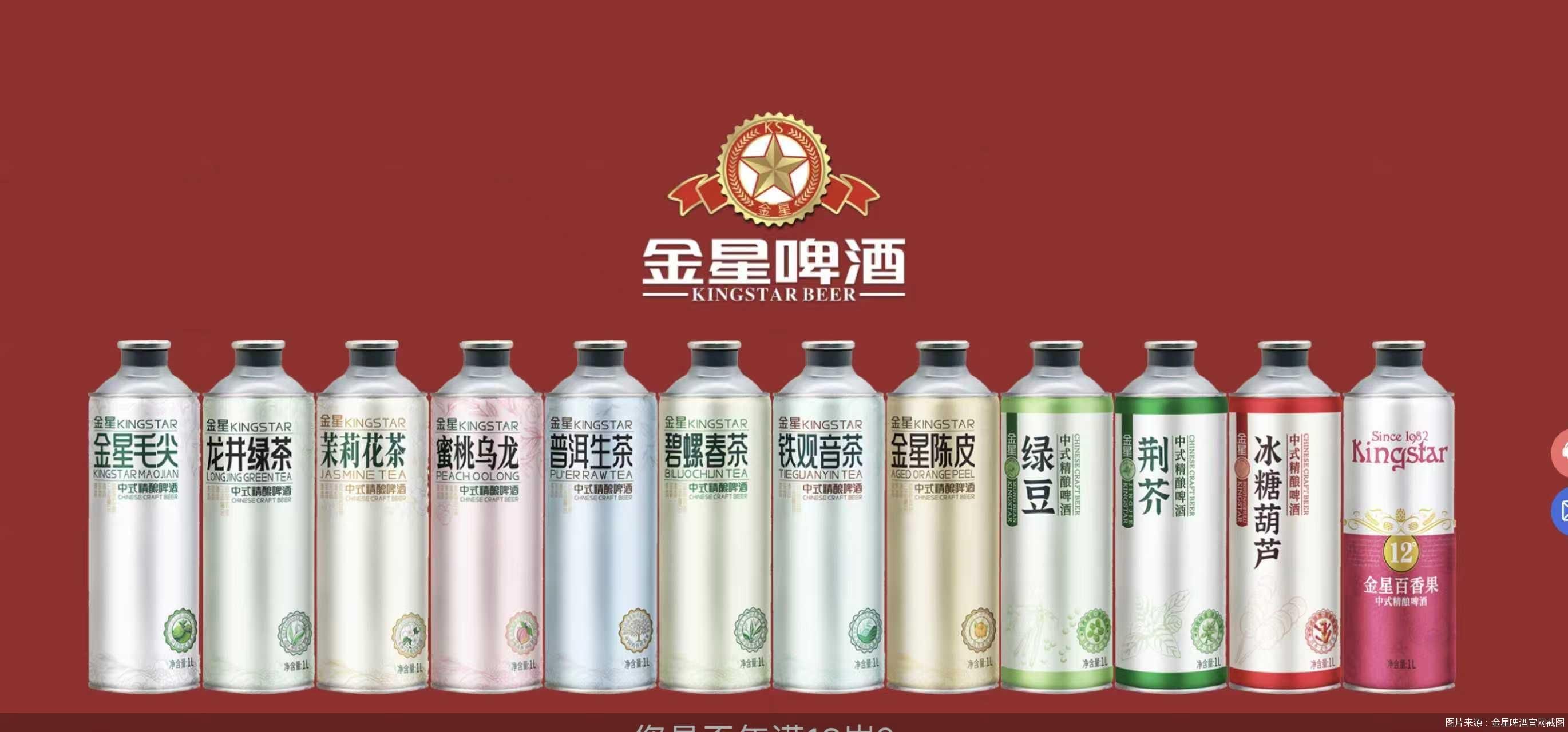
Core Viewpoint - Jin Xing Brewery, a long-established beer manufacturer in Henan, is making a significant push to become the first Chinese craft beer stock listed on the Hong Kong Stock Exchange, with a remarkable 24-fold increase in net profit over two years, but faces challenges such as a large dividend payout and family control issues before its IPO [1][3]. Company Overview - Jin Xing Brewery was established in 1982 and has been operating under its current name since 1985, focusing primarily on the Henan region for decades [3]. - The company has faced multiple failed attempts to go public, including issues with foreign partnerships and ownership structure, but aims to officially file for an IPO in January 2026 [3]. Product Innovation - A turning point for Jin Xing came in August 2024 with the launch of its first craft beer, "Xinyang Maojian," which incorporates tea into the brewing process, achieving significant sales success shortly after its release [5]. - The company has rapidly introduced new flavors, such as jasmine tea and sugar-coated hawthorn, with an average release cycle of two months, significantly faster than the industry standard of six months [5]. Financial Practices and Concerns - The company announced two rounds of dividends totaling 229 million yuan, which represents 182.6% of its net profit for 2024, raising questions about the rationale behind such a high payout [8]. - The ownership structure is heavily concentrated, with the founding family controlling over 90% of the shares, which may lead to governance issues post-IPO [10]. Employee Welfare Issues - Despite strong financial performance, the company has failed to pay social insurance and housing funds for some employees, totaling over 21.9 million yuan, which could raise concerns about employee rights and corporate governance [10]. Market Dynamics - The craft beer market in China is rapidly growing, with revenues expected to rise from 12.5 billion yuan in 2019 to 63.2 billion yuan by 2024, reflecting a compound annual growth rate of 38.4% [15]. - The market is becoming increasingly competitive, with major players like China Resources and Budweiser entering the craft beer segment, leading to a proliferation of similar products [17]. Competitive Challenges - The craft beer segment has low entry barriers, resulting in high product homogeneity and short product life cycles, which could impact Jin Xing's market position [17]. - The beer industry is characterized by high concentration, with leading companies exerting pressure on smaller brands, posing challenges for Jin Xing as it seeks to expand beyond its established market [19]. - The company's reliance on craft beer, which accounted for over 70% of its revenue in the first three quarters of 2025, raises concerns about potential revenue impacts if market interest wanes [19].
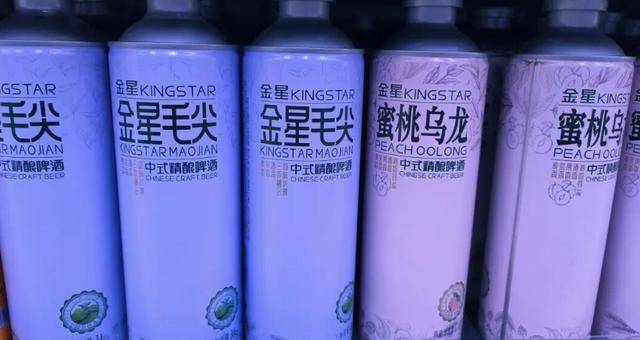
金星啤酒冲刺中式精酿第一股:高增长VS依赖症,“单腿狂奔”能走多久?
Zhi Tong Cai Jing· 2026-01-19 02:31
Core Insights - The Chinese craft beer market is experiencing significant growth, with retail sales expected to rise from 12.5 billion yuan in 2019 to 63.2 billion yuan by 2024, representing a compound annual growth rate (CAGR) of 38.4% [1] - The market is projected to continue expanding rapidly, with an estimated CAGR of 23.6% from 2024 to 2029, potentially reaching 182.1 billion yuan by 2029 [1] Industry Overview - The Chinese beer market is categorized into industrial and craft beer, with craft beer facing broader growth opportunities [1] - The overall beer consumption in China has been declining since peaking in 2013, leading to a focus on high-end, quality, and diverse products [3] - Craft beer has become one of the fastest-growing segments in the beverage alcohol category, with a market size CAGR exceeding 30% in recent years [3] Company Performance - Jinxing Beer has positioned itself as a leader in the craft beer segment by focusing on "Chinese craft beer," utilizing unique ingredients like tea, local fruits, and traditional medicinal foods [3] - The company has seen explosive growth in revenue and net profit, with revenues of 356 million yuan, 730 million yuan (105% YoY growth), and 1.11 billion yuan (191% YoY growth) from 2023 to the first three quarters of 2025 [4] - Net profits for the same period were 12 million yuan, 125 million yuan (941% YoY growth), and 305 million yuan (144% YoY growth) [4] Product Innovation - Jinxing Beer has developed a diverse product matrix with 166 SKUs, including 50 craft beer SKUs that contributed 78.1% of revenue in the first nine months of 2025 [3] - The company's focus on product differentiation has led to higher gross margins, with gross margins of 27.3%, 37.8%, and 47% for 2023, 2024, and the first nine months of 2025, respectively [5] Competitive Landscape - Despite its growth, Jinxing Beer faces significant competition in the craft beer market, with traditional beer giants and new entrants adopting low-price strategies [6] - The company ranks fifth in the craft beer industry by retail sales in 2024 and is the third-largest craft beer company as of the first nine months of 2025 [6] Risks and Challenges - Jinxing Beer heavily relies on its craft beer segment, with nearly 80% of its revenue coming from this category, which poses risks if market interest wanes or competition intensifies [7] - The company's growth and risk management are closely tied to the performance of its craft beer products, highlighting the need for diversification to mitigate potential downturns [7]
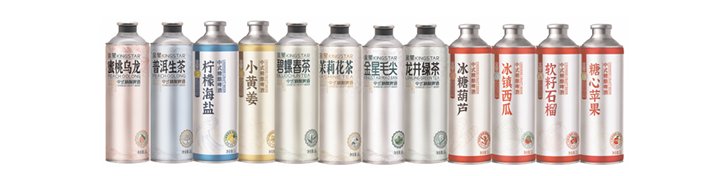
河南父子卖啤酒 ,一年分红超3亿
Sou Hu Cai Jing· 2026-01-18 07:00
Core Viewpoint - The rapid growth of Henan Jinxing Brewery, driven by its innovative product "Jinxing Maojian," has positioned the company for an upcoming IPO, highlighting the shift in consumer preferences towards female-targeted beverages [2][4][12]. Financial Performance - Jinxing Brewery's revenue surged from 356 million yuan in 2023 to 730 million yuan in 2024, with a further increase to 1.11 billion yuan in the first nine months of 2025, marking a year-on-year growth rate of 191.34% compared to 2024 [2][6]. - The net profit skyrocketed from 12.2 million yuan in 2023 to 125 million yuan in 2024, reaching 305 million yuan in the first nine months of 2025, achieving a 24-fold increase over two years [7][6]. Product Development - The introduction of the "Jinxing Maojian" tea beer in August 2024 marked a significant turning point, with sales reaching 6 tons on the first day and exceeding 100 million cans (approximately 100,000 tons) within ten months [2][4]. - The company has expanded its product line to include 166 SKUs, with 50 being Chinese craft beers, contributing over 70% of revenue in the first nine months of 2025 [5][7]. Market Position - As of September 30, 2025, Jinxing Brewery has become the third-largest craft beer company in China and the largest flavored craft beer producer, holding a market share of 14.6% [2][12]. - The company has successfully tapped into the female consumer market, with over 50% of its core consumer base aged 18-35 being female, and this percentage increased to over 60% with the introduction of new flavors [2][4]. Strategic Initiatives - The company plans to utilize the funds raised from the IPO to upgrade production facilities, acquire capacity, and strengthen its national distribution network, particularly through partnerships with major e-commerce platforms [12][13]. - Jinxing Brewery aims to continue developing new products, including rice wine and non-alcoholic tea beer, while upgrading existing flavors to meet evolving consumer preferences [13].
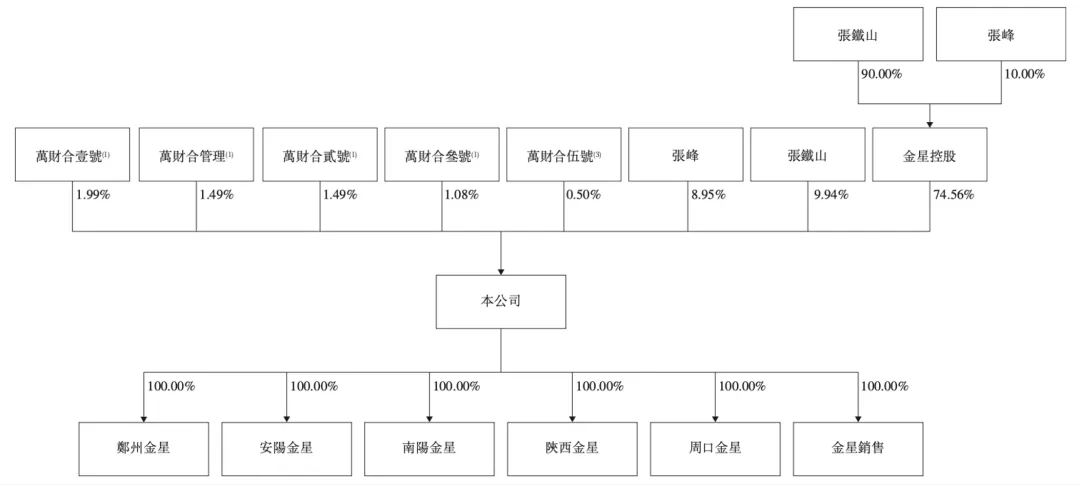
一家冲刺港股,一家破产重整,精酿啤酒冰火两重天?
Sou Hu Cai Jing· 2026-01-16 12:16
Core Viewpoint - The contrasting fates of Henan Jinxing Brewery and Shandong Taishan Brewery highlight the competitive dynamics within China's craft beer industry, with Jinxing poised for an IPO while Taishan faces bankruptcy restructuring [1][10]. Company Overview - Jinxing Brewery, founded in 1982, initially struggled but became a market leader in Henan by 1993 under the leadership of Zhang Tieshan [2]. - Taishan Brewery, once a strong player in the market, is now undergoing bankruptcy restructuring due to severe financial distress [7][9]. Financial Performance - Jinxing Brewery reported a revenue increase of 191.34% to 1.11 billion yuan and a net profit surge of 1095.84% to 305 million yuan in the first nine months of 2025 [7]. - Taishan Brewery's total assets were approximately 622 million yuan, with liabilities reaching 663 million yuan, resulting in a debt ratio of 106.63% [9]. Market Dynamics - The craft beer market in China has surpassed 80 billion yuan and is projected to reach 160 billion yuan by 2026, becoming the only segment in the beer industry experiencing growth [10]. - The industry is witnessing a "three-legged" competitive landscape, with traditional giants leveraging channel advantages, retail companies disrupting with low-price strategies, and independent brands focusing on innovation [10]. Strategic Insights - Taishan Brewery's challenges stem from aggressive expansion driven by performance pressure, neglecting the cash flow and supply chain demands of the craft beer sector [10]. - Jinxing Brewery's success is attributed to its alignment with consumer trends through product innovation and channel adaptation, emphasizing the importance of balancing innovation with stability in a competitive market [10]. Industry Implications - The contrasting situations of Jinxing and Taishan serve as a warning to industry players: in a billion-yuan market, balancing innovation with prudent management and accurately addressing consumer needs is crucial for survival [10][11].