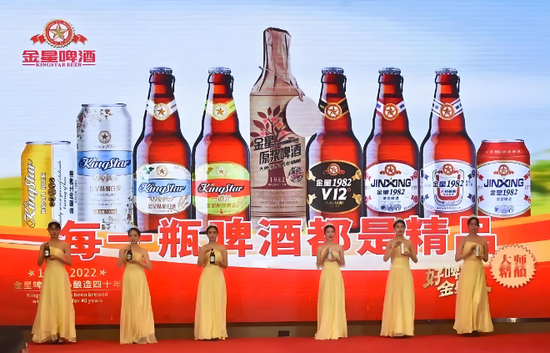
中式精酿

Search documents
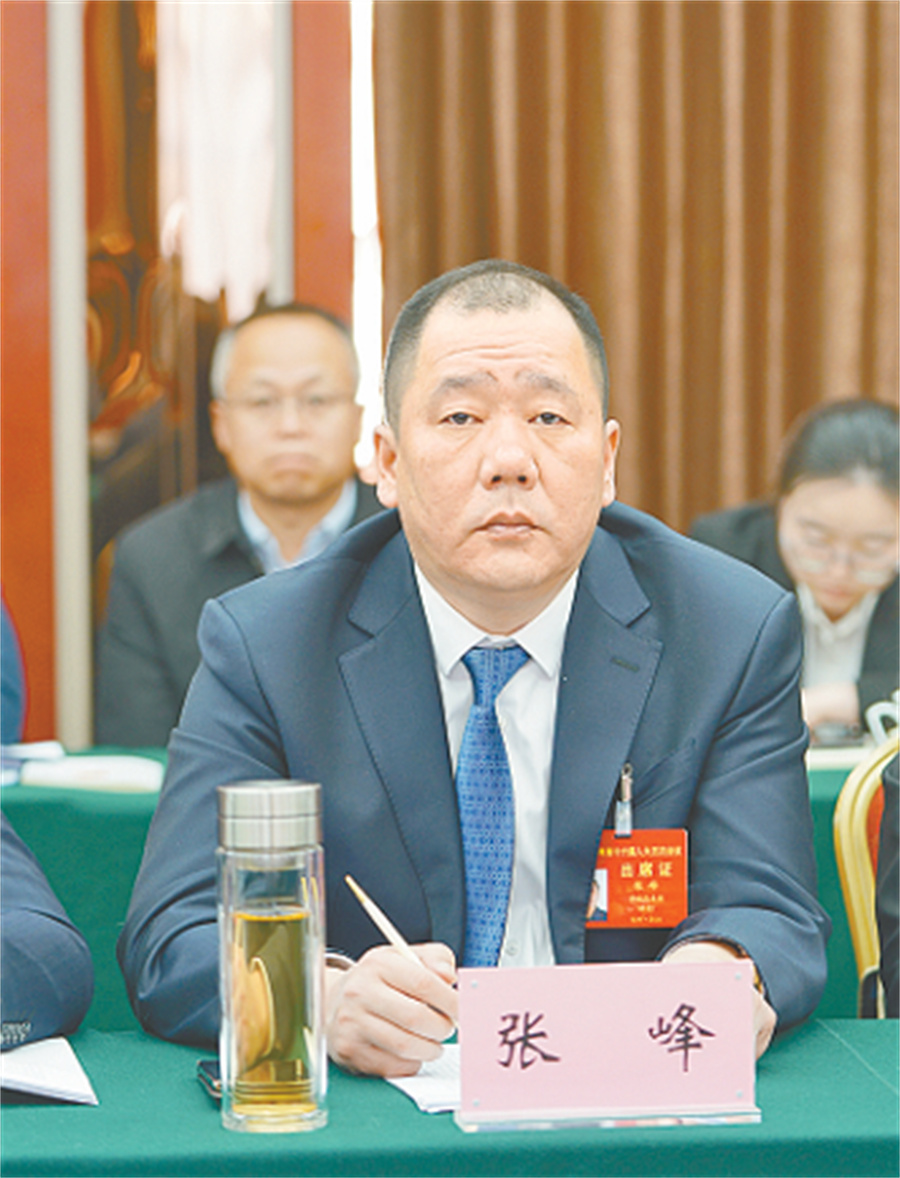
金星啤酒副董事长张峰:以中式精酿铸国潮名片 金星啤酒擘画国际化新征程
Jing Ji Wang· 2026-02-10 07:50
Core Viewpoint - The article highlights the journey of Jin Xing Beer from a local brand to a contender in the international capital market, emphasizing its role in the high-quality transformation of Zhengzhou's manufacturing industry through innovation and cultural integration [1][9]. Group 1: Company Background and Development - Jin Xing Beer has been rooted in the Zhengzhou Guan Cheng area for over 40 years, evolving from a local small factory to a national beer group, reflecting the city's manufacturing development [3]. - The company has maintained its commitment to producing quality beer for the Chinese people while contributing to local employment and agricultural income [3]. - Jin Xing Beer is transitioning from traditional food manufacturing to intelligent, green, and high-end production, embodying the microcosm of Zhengzhou's shift from a "manufacturing city" to a "strong manufacturing city" [3][6]. Group 2: Innovation and Product Development - In response to industry changes, Jin Xing Beer is pioneering the "Chinese Craft Beer" segment, integrating cultural elements and unique brewing techniques to create a distinct product line [4]. - The company has developed a proprietary brewing system called "1258," which includes a one-month low-temperature brewing cycle and a dual sterile brewing process, enhancing flavor and quality [4]. - Jin Xing Beer has launched products that blend Chinese culinary culture with beer, such as tea-infused and fruit-flavored brews, appealing to younger consumers and promoting local agricultural sourcing [4][5]. Group 3: Strategic Goals and Market Expansion - Jin Xing Beer aims to submit its listing application to the Hong Kong Stock Exchange in 2026, aspiring to become the first publicly listed Chinese craft beer company [7]. - The company has already expanded its market reach to over 20 countries, positioning itself as a representative of Chinese craft beer on the global stage [7]. - Jin Xing Beer emphasizes cultural output and brand recognition in its international strategy, aiming to resonate with global consumer preferences while maintaining its Chinese identity [7]. Group 4: Future Outlook and Community Engagement - The company plans to continue its focus on high-quality development, expanding its product range and investing in intelligent, green production capabilities [8]. - Jin Xing Beer is committed to fulfilling its social responsibilities by supporting local industry development and contributing to Zhengzhou's goals of becoming a strong manufacturing and cultural city [8][9].

亮点新营销:金星啤酒中式精酿新营销赴港IPO之路
Sou Hu Cai Jing· 2026-01-23 07:41
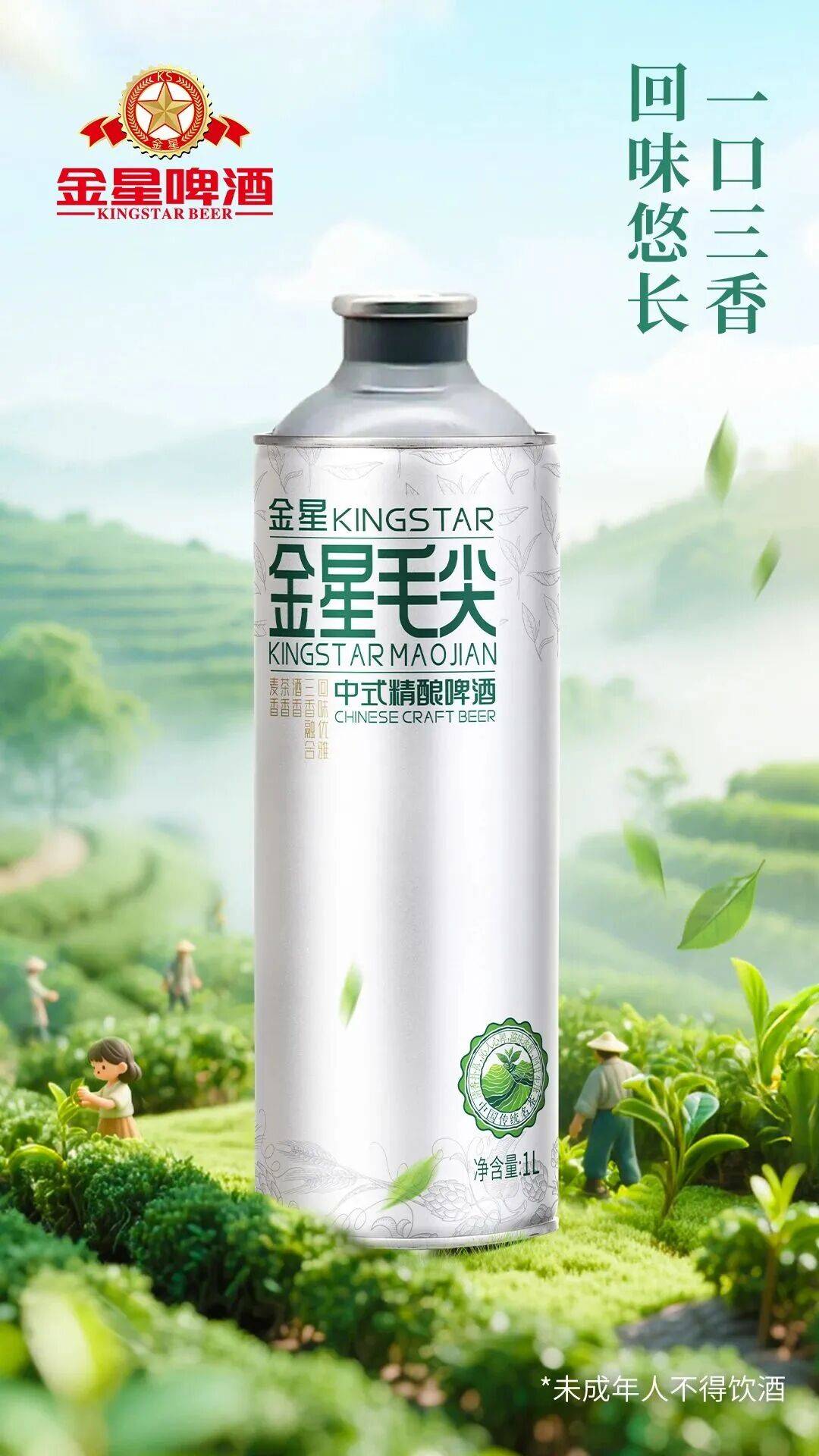
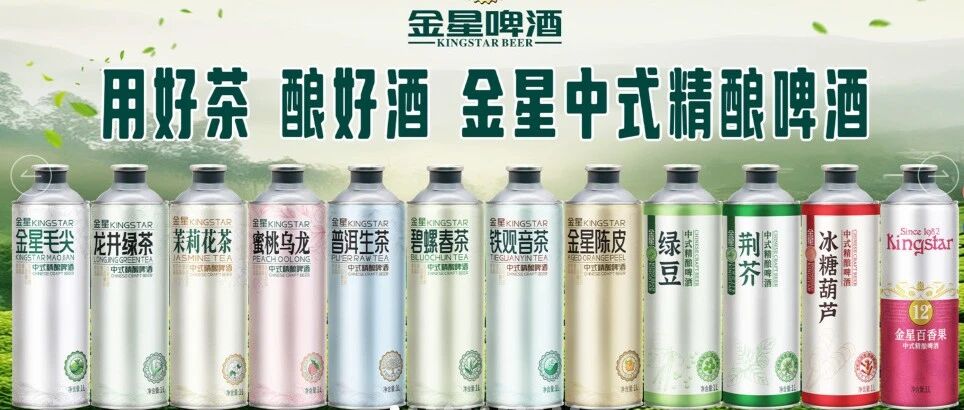
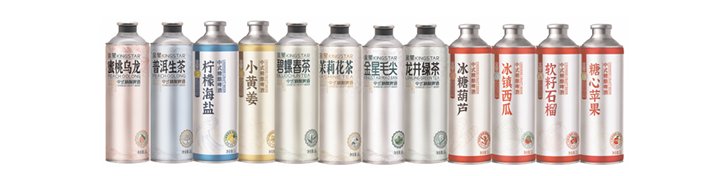
Core Insights - Jin Xing Beer has successfully transformed from a traditional brewery to a leader in the Chinese craft beer market through a "Chinese-style" transformation and innovative marketing strategies, leading to significant revenue and profit growth and an IPO application to the Hong Kong Stock Exchange [1][12] Company Background - Established in 1982, Jin Xing Beer was once a benchmark in the Central Plains beer market with 16 production bases and an annual capacity of 2 million tons, but faced stagnation with a net profit of only 0.12 million yuan and a gross margin below 30% in 2023 [2][13] Transformation Strategy - The company shifted from traditional competition based on capacity and price wars to focus on the blue ocean of Chinese craft beer, integrating local culinary culture into its brewing process, such as using Xinyang Maojian tea and other regional ingredients [2][14] Product Launch and Performance - The first product, "Jin Xing Maojian Chinese Craft Beer," launched in August 2024, sold out immediately, followed by other flavors like ice sugar hawthorn and jasmine tea, with the ice sugar hawthorn beer generating over 720 million views on Douyin [3][14] - In just 10 months, the production and sales of Chinese craft beer exceeded 100,000 tons, contributing 78.1% of the company's revenue in the first three quarters of 2025, with revenue soaring from 356 million yuan in 2023 to 1.109 billion yuan in 2025 [3][14] Business Model Innovation - Jin Xing Beer restructured its business model by focusing on high-end products, reducing SKUs from 229 to 166, and creating a product matrix that caters to different consumer scenarios, thus transforming beer from a "drinking necessity" to an "experiential consumer product" [6][15] - The company maintained its traditional distribution network while also expanding into online retail, creating a comprehensive channel strategy that allows products to reach consumers through both traditional and modern means [7][15] Marketing Strategy - The marketing approach shifted to new media, utilizing platforms like Douyin and Xiaohongshu to connect with younger consumers through lifestyle scenarios rather than traditional advertising [9][18] - The company created viral topics around its products, achieving significant social media engagement, and leveraged live streaming to convert traffic into sales, demonstrating a user-centered marketing strategy [11][19] IPO and Market Outlook - Jin Xing Beer has submitted an IPO application to the Hong Kong Stock Exchange, aiming to become the first Chinese craft beer stock, with funds intended for production expansion, channel development, and product innovation [12][20] - The Chinese craft beer market is experiencing rapid growth, with a compound annual growth rate exceeding 38%, and the segment for Chinese-flavored craft beer growing at 49.3%, indicating a shift from niche to mainstream [20]

中式精酿冲击港股:金星啤酒IPO前分红上亿,却拖欠员工社保
Sou Hu Cai Jing· 2026-01-22 01:48
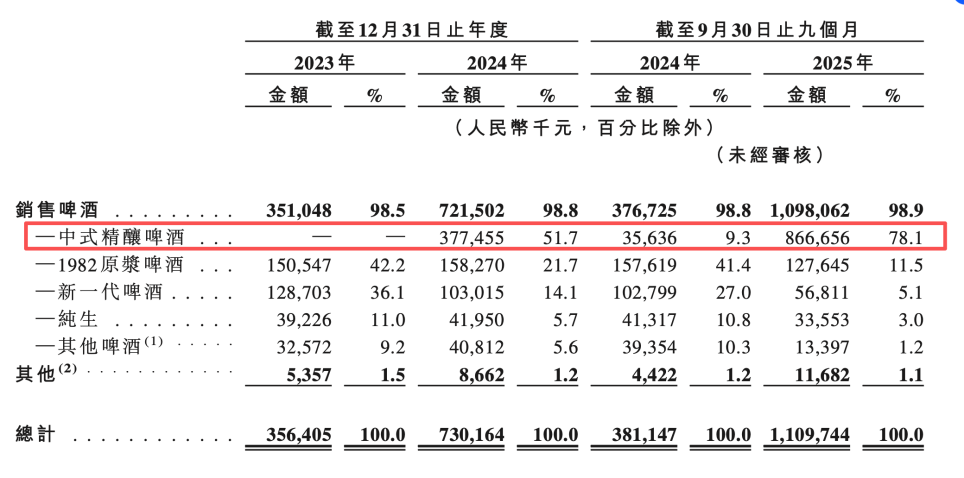
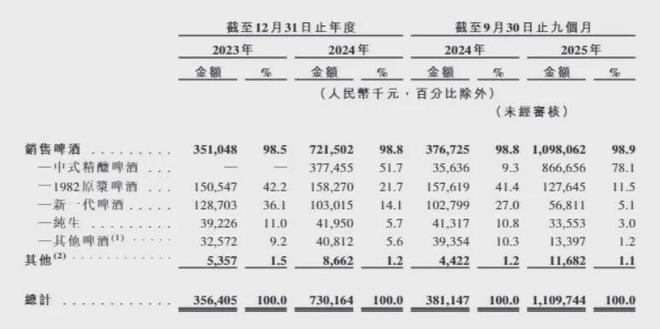
Core Viewpoint - The article discusses the impressive growth of Henan Jinxing Beer Co., Ltd. as it aims to become the first "Chinese craft beer" listed on the Hong Kong Stock Exchange, highlighting both its remarkable financial performance and underlying operational risks. Financial Performance - In the first three quarters of 2025, Jinxing Beer reported revenue of 1.11 billion yuan, a 211% increase from 356 million yuan in 2023 [1] - Net profit surged from 12.2 million yuan to 305 million yuan, a 24-fold increase over two years, with a gross margin rising to 47% [1] Product Dependency - The company's growth is heavily reliant on a single product category, "Chinese craft beer," which contributed 78.1% of revenue in the first three quarters of 2025, up from 9.3% in 2024 [5] - Traditional beer products have seen significant declines, with revenues from core products like 1982 Original and New Generation Beer dropping by 19% and 44.7%, respectively [5] Market Risks - The low barrier to entry for "Chinese craft beer" poses a risk as it can be easily replicated, with no established national standards [6] - The lifecycle of non-standard products is short, leading to high demand volatility, as evidenced by the rapid introduction of over 50 SKUs in just over a year [6] Competitive Landscape - Jinxing Beer holds a mere 0.3% market share in retail, significantly overshadowed by major players like China Resources and Budweiser, which have market shares 52 times and 40 times larger, respectively [7] - The increasing concentration of the beer market, with the top five brands holding 89.2% market share, intensifies competition for smaller brands [6] Distribution Challenges - Over 94% of Jinxing Beer’s revenue comes from distribution channels, with only 4.1% from direct sales, indicating a highly concentrated distribution model [7] - The company’s reliance on social media for short-term sales spikes has not translated into a robust national distribution network [7] Governance and Financial Concerns - The company is controlled by a family structure, with the controlling shareholders holding 93.45% of the equity, raising concerns about governance [8] - Aggressive dividend payouts totaling approximately 329 million yuan before the IPO exceeded the net profit for the first three quarters of 2025, signaling potential cash flow issues [8] - The company has accumulated social security and housing fund arrears of 21.9 million yuan from 2023 to the first three quarters of 2025, which could lead to regulatory scrutiny [9] Long-term Viability - The article questions whether the short-term explosive growth driven by a single product can sustain long-term market competitiveness, especially in the face of larger competitors [10] - The combination of a weak product structure, high regional dependency, and governance issues may hinder the company's ability to maintain a net profit growth rate above 20% in the next three years [10]
爆款续命后,金星啤酒火速IPO:家族套现超3亿,欠缴员工公积金
Feng Huang Wang Cai Jing· 2026-01-20 12:49
Core Viewpoint - Jinxing Beer has submitted its prospectus to the Hong Kong Stock Exchange, experiencing a significant turnaround driven by its popular product "Maojian Tea Beer," which has led to rapid revenue growth and a strong push for an IPO [1][2]. Financial Performance - Revenue for Jinxing Beer in 2023, 2024, and the first nine months of 2025 was 356 million, 730 million, and 1.1 billion RMB respectively, with net profits soaring from 12.2 million to 305 million RMB, marking a 924% increase in 2024 [1][3]. - Gross margins improved significantly, with figures of 27.3%, 37.8%, and 47% for the respective years, while net margins rose from 3.4% to 27.5% [1][6]. - Operating cash flow transitioned from a negative 60 million RMB in 2023 to a positive 360 million RMB in 2024 [1]. Product Dependency - The "Maojian Tea Beer" product line has become a major revenue contributor, accounting for 51.7% of total revenue in its launch year and increasing to 78.1% by the first nine months of 2025 [2][3]. - This heavy reliance on a single product raises concerns about revenue volatility in the face of market competition and changing consumer preferences [2]. Market Competition - The success of Jinxing Beer in the craft beer segment has attracted major competitors, including traditional beer giants and cross-industry players, leading to an increasingly competitive market landscape [2]. Corporate Governance - Jinxing Beer is a family-controlled business, with the Zhang family holding approximately 99.99% of the shares, indicating a high concentration of control [3]. - The company has faced scrutiny over its governance practices, including significant cash dividends distributed to major shareholders, raising concerns about the protection of minority shareholders' interests [4]. Financial Management Issues - The company has reported overdue social insurance and housing fund payments totaling 21.9 million RMB from 2023 to the first three quarters of 2025, although it claims to have rectified the social insurance issues [5]. - There have been irregularities in financial controls, such as allowing distributors to make payments through third-party accounts, which constituted a significant portion of cash receipts in previous years [5]. Debt Levels - Jinxing Beer had an extremely high debt-to-asset ratio of 2250% in 2023, which improved to 98.7% in 2024 and further decreased to 11.1% by the first nine months of 2025, indicating a significant reduction in financial leverage [5][6].
爆款续命后,金星啤酒火速IPO:家族套现超3亿,欠缴员工公积金
凤凰网财经· 2026-01-20 12:44
Core Viewpoint - Jin Xing Beer has submitted its prospectus to the Hong Kong Stock Exchange, showcasing a significant turnaround driven by its popular product "Maojian Tea Beer," which has led to rapid revenue growth and a strong push for an IPO [1][9]. Financial Performance - Revenue figures for Jin Xing Beer are as follows: 2023 revenue was 356 million RMB, projected to reach 730 million RMB in 2024, and 1.1 billion RMB in the first nine months of 2025. Net profit surged from 12.2 million RMB in 2023 to 125 million RMB in 2024, and further to 305 million RMB in 2025 [1][10]. - Gross margins improved significantly, with 27.3% in 2023, 37.8% in 2024, and 47% in 2025. Net margins also increased from 3.4% in 2023 to 27.5% in 2025 [1][10]. - Operating cash flow transitioned from a negative 60 million RMB in 2023 to a positive 360 million RMB in 2024 [1]. Product Dependency - The "Maojian Tea Beer" product line has become a major revenue driver, contributing 51.7% of total revenue in 2024 and increasing to 78.1% in the first nine months of 2025. This heavy reliance on a single product poses risks if its popularity wanes or competition intensifies [2][4]. Market Competition - The success of the Chinese craft beer market has attracted major players like China Resources, Tsingtao, and Yanjing, as well as cross-industry companies such as Mixue Ice City and Hema, indicating a future of intensified competition [4]. Corporate Governance - Jin Xing Beer is a family-controlled business, with Zhang Tieshan and Zhang Feng holding approximately 99.99% of the shares, leading to concerns about governance and minority shareholder protection [6][7]. - The company has faced issues with unpaid employee social insurance and housing funds, totaling 21.9 million RMB from 2023 to the first three quarters of 2025, raising questions about its financial practices [8]. Dividend Policy - Following its revenue growth, Jin Xing Beer distributed significant cash dividends totaling 329 million RMB, which accounted for about 80% of its net profits for 2024 and 2025, primarily benefiting the controlling shareholders [7]. Debt Levels - The company's debt levels were alarming, with an asset-liability ratio of 2250% in 2023, which improved to 98.7% in 2024 and further reduced to 11.1% in the first nine months of 2025, indicating a significant recovery [9][10].
新股前瞻|金星啤酒冲刺中式精酿第一股:高增长VS依赖症,“单腿狂奔”能走多久?
智通财经网· 2026-01-19 02:12
Core Insights - The Chinese craft beer market is experiencing significant growth, with retail sales expected to rise from 12.5 billion yuan in 2019 to 63.2 billion yuan by 2024, reflecting a compound annual growth rate (CAGR) of 38.4% [1] - The market is projected to continue expanding rapidly, with an estimated CAGR of 23.6% from 2024 to 2029, potentially reaching 182.1 billion yuan by 2029 [1] Industry Overview - The Chinese beer market is categorized into industrial and craft beer, with craft beer facing broader growth opportunities [1] - The overall beer consumption in China has been declining since peaking in 2013, leading to a focus on high-end, quality, and diverse products [3] - Craft beer has become one of the fastest-growing segments in the beverage alcohol category, with a market size CAGR exceeding 30% in recent years [3] Company Performance - Jinxing Beer has positioned itself as a leader in the craft beer segment by focusing on "Chinese craft beer," utilizing unique ingredients like tea, local fruits, and traditional medicinal foods [3] - The company has seen rapid growth, ranking as the fastest-growing among the top five craft beer companies in China from 2022 to 2024 [3] - Jinxing Beer reported revenues of 356 million yuan, 730 million yuan (105% YoY growth), and 1.11 billion yuan (191% YoY growth) for the years 2023 to 2025 [4] - Net profits for the same period were 12 million yuan, 125 million yuan (941% YoY growth), and 305 million yuan (144% YoY growth) [4] Financial Metrics - The gross margin for Jinxing Beer has improved significantly, with rates of 27.3%, 37.8%, and 47% for the years 2023, 2024, and the first nine months of 2025, respectively [5] - The net profit margin has also increased, reaching 3.4%, 17.2%, and 27.5% for the same periods [5] Competitive Landscape - Despite its growth, Jinxing Beer faces competition from traditional beer giants and new entrants in the craft beer market, which could pressure its market position [6][7] - The company relies heavily on its craft beer segment, with nearly 80% of its revenue coming from this category, raising concerns about its long-term growth stability [7] - The competitive landscape is characterized by a fragmented market, with established players beginning to enter the craft beer space [6]
金星啤酒闯港交所:父子绝对控股,2025分红2.29亿,茶啤赛道拥挤
Sou Hu Cai Jing· 2026-01-16 16:15
Core Viewpoint - Henan Jinxing Beer Co., Ltd. is attempting to break free from its regional brand status by pursuing an IPO on the Hong Kong Stock Exchange, aiming to enhance production capacity, global sales, marketing, and product innovation [3][4]. Group 1: Company Background and IPO Plans - Jinxing Beer, originally founded in 1983 as Dongfeng Brewery, has undergone significant transformations, including privatization and restructuring, culminating in its current status as a joint-stock company with 93.45% ownership by the founding family [3][4]. - The company has faced multiple setbacks in its IPO journey, with previous attempts in 2003 and 2011 failing due to ownership issues and financial challenges [4]. - The current IPO plan is seen as a critical step for Jinxing Beer to escape its regional brand limitations and is set against the backdrop of its 40th anniversary [4]. Group 2: Financial Performance and Challenges - Jinxing Beer declared a substantial dividend of 229 million yuan prior to its IPO, exceeding its net profit for 2024, raising concerns about cash flow and financial sustainability [4][5]. - The company has a history of underpaying employee social security and housing funds, accumulating over 20 million yuan in unpaid contributions, which could pose compliance risks [4][5]. Group 3: Market Position and Product Strategy - Jinxing Beer has carved out a niche in the "Chinese craft beer" segment by incorporating local tea flavors, leading to significant revenue growth from 356 million yuan in 2023 to 1.11 billion yuan in the first three quarters of 2025 [6][7]. - The company's traditional beer products have seen a decline in revenue share, with the "Chinese craft beer" category accounting for 78.1% of sales in 2025, highlighting a reliance on a single product line [6][7]. Group 4: Competitive Landscape - Jinxing Beer holds approximately 40% market share in Henan and has expanded its distribution network to cover 29 provinces, but faces increasing competition from national giants who are consolidating regional brands [8][9]. - The company’s supply chain is characterized by high supplier concentration, with over 30% of procurement from the top five suppliers, which poses potential risks [8]. - The tea beer category is becoming a competitive focal point, with major players like China Resources and Budweiser entering the market, making Jinxing Beer’s national expansion challenging [9].
金星啤酒冲刺港股:中式精酿贡献近八成收入,去年分红超3亿元
Cai Jing Wang· 2026-01-16 10:39
Core Viewpoint - Jin Xing Beer is accelerating its capitalization process by applying for a listing on the Hong Kong Stock Exchange, aiming to become the first "Chinese craft beer" stock in Hong Kong [1] Company Overview - Founded in 1982, Jin Xing Beer has established 15 production bases across 9 provinces in China, with an annual production capacity of 2 million tons [1] - The company’s main products include various series of Chinese craft beer, including "Jin Xing Mao Jian," which combines tea with brewing techniques, and has expanded to flavors like jasmine tea and sugar orange [1] Financial Performance - Jin Xing Beer reported revenues of 356 million RMB, 730 million RMB, and 1.11 billion RMB for the years 2023, 2024, and the first three quarters of 2025, respectively [2][3] - The profit and total comprehensive income for the same periods were 12.2 million RMB, 125 million RMB, and 305 million RMB, with gross margins increasing from 27.3% to 47.0% [2] Product Contribution - In 2024, the revenue from Chinese craft beer reached 377 million RMB, accounting for 51.7% of total revenue, which increased to 867 million RMB and 78.1% in the first nine months of 2025 [4] - Other product categories, such as the 1982 original beer and new generation beer, saw significant revenue declines of 19.0% and 44.7%, respectively [4] Dividend Policy - Prior to its IPO, Jin Xing Beer has implemented substantial dividends, distributing a total of 329 million RMB to shareholders, exceeding its net profit for the first nine months of 2025 [4] Ownership Structure - The company exhibits a family-controlled ownership structure, with the founder and his son controlling 93.45% of the shares [4] Industry Growth - The craft beer market in China is in an expansion phase, with a compound annual growth rate (CAGR) of 38.4% from 2019 to 2024, projected to reach a market size of 182.1 billion RMB by 2029 [5] - The flavored craft beer segment is expected to grow from 11.1 billion RMB in 2024 to 66 billion RMB by 2029, with a CAGR of 42.8% [5] Fundraising Purpose - Jin Xing Beer plans to use the proceeds from its IPO to enhance production capacity, strengthen sales networks, marketing activities, product innovation, and improve digital capabilities [6]
家族绝对控股、社保历史欠缴…金星啤酒赴港上市的风险清单
Sou Hu Cai Jing· 2026-01-16 08:45
Core Viewpoint - The company has shown significant revenue growth and improved profit margins, but faces serious internal control issues and dependency on a single product line, which raises concerns about sustainability and compliance risks [2][5][10]. Financial Performance - Revenue increased from 356 million RMB in 2022 to 1.11 billion RMB in the first nine months of 2025, with a net profit margin rising from 3.4% in 2023 to 27.5% in 2025 [2]. - Gross margin is projected to rise from 27.3% in 2023 to 37.8% in 2024, while net profit margin is expected to increase from 3.4% to 17.2% in the same period [5]. Internal Control Issues - The company has reported significant shortfalls in social insurance and housing fund contributions, with unpaid amounts of 7.5 million RMB, 7.9 million RMB, and 6.5 million RMB for 2023, 2024, and the first nine months of 2025, respectively [6]. - There are serious financial control vulnerabilities, with 40.5% of dealer payments in 2024 flowing through third-party accounts, raising legal risks related to money laundering [7]. - Approximately 25.7% of the company's building area lacks ownership certificates, and a construction site in Xi'an lacks necessary permits, posing regulatory and operational risks [8]. Product Dependency - The company heavily relies on its "Chinese Craft Beer" category, particularly the tea beer series launched in August 2024, which accounted for 78.1% of revenue in the first nine months of 2025 [10]. - The sustainability of growth is questioned as consumer acceptance of the "tea + beer" combination may not last, and any decline in popularity could severely impact revenue [10]. Market Competition - The company claims to be a leader in the "flavor craft beer" segment, but the Chinese beer market is dominated by the top five companies, which hold over 80% of the market share [16]. - Despite significant price increases and improved margins, the overall interest in the beer sector remains low, with current market valuations limiting growth potential [17]. Ownership Structure - The company's ownership is highly concentrated, with the Zhang family controlling 100% of the equity through direct and indirect means [17]. Conclusion - While the company presents a compelling growth narrative, the underlying compliance issues, product dependency, and competitive landscape necessitate a cautious evaluation of its long-term sustainability and market position [18].
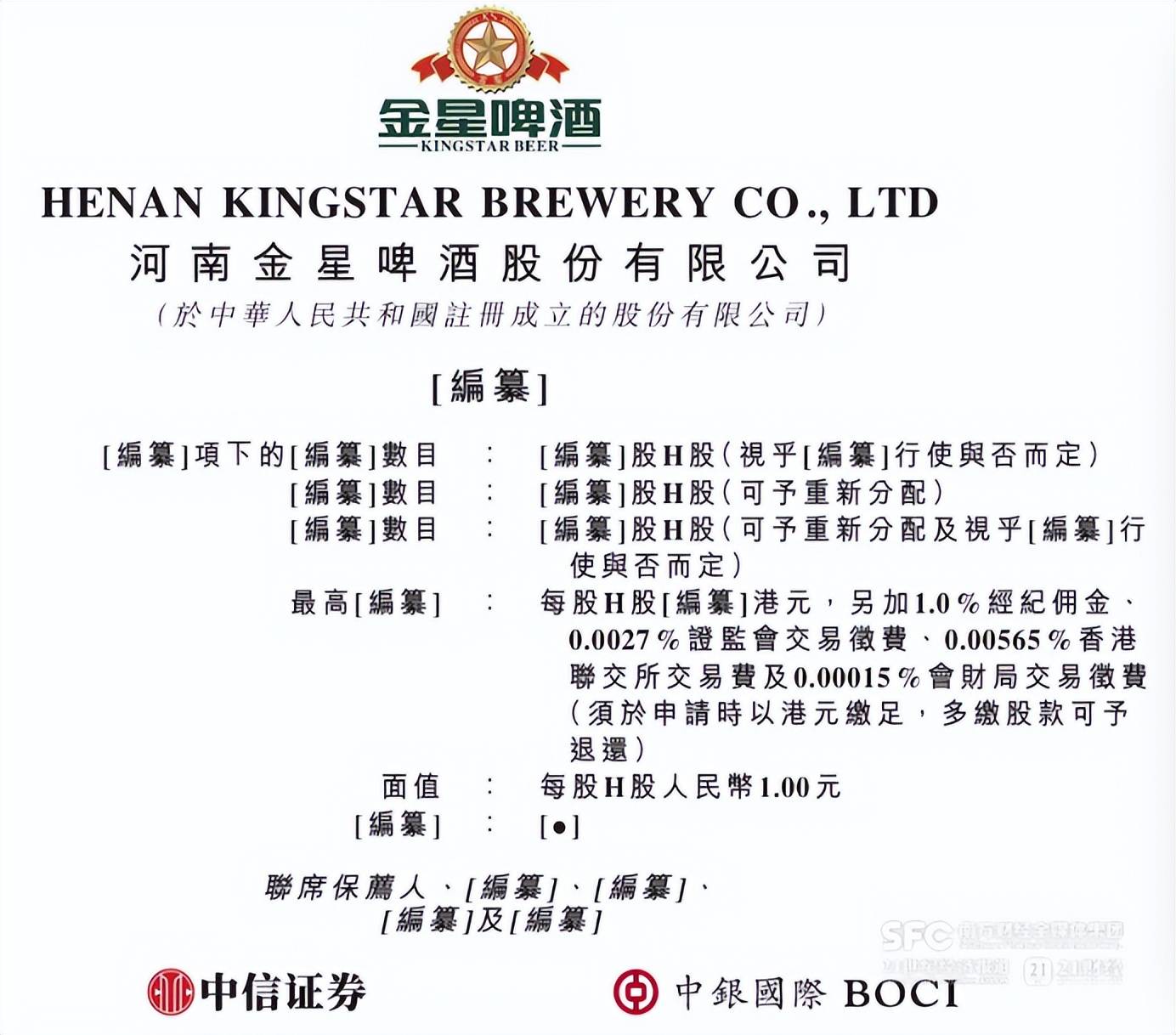
金星啤酒冲港IPO:“中式精酿”能让老牌酒企翻身吗?
Xin Lang Cai Jing· 2026-01-16 03:42
Core Viewpoint - The IPO story of Jin Xing Beer represents a balance-seeking journey amid explosive growth, single-category risk, family control versus modern governance, and being a pioneer in a new category while facing competition from industry giants [3][19][32] Group 1: Company Background and Development - Jin Xing Beer started in 1982 as a village-run brewery in Zhengzhou, facing bankruptcy shortly after its establishment [3][19] - Under the leadership of Zhang Tieshan, the company expanded its operations throughout Henan province and became the industry leader by 1993 [3][19] - The company capitalized on the national expansion of the beer industry in the late 1990s and early 2000s, establishing production bases in various provinces [3][19] Group 2: Product Innovation and Market Position - The turning point for Jin Xing Beer came in August 2024 with the launch of its first Chinese craft beer, Jin Xing Xinyang Maojian, which quickly gained consumer popularity [4][20] - The company successfully created a new category of "Chinese craft beer" and has since introduced a variety of innovative products [5][21] - By 2025, the revenue share of craft beer surged to 78.1%, while traditional products dropped to 16.6% [7][23] Group 3: Financial Performance - Jin Xing Beer experienced explosive growth, with revenue increasing from 356 million yuan in 2023 to 1.109 billion yuan in the first three quarters of 2025, and net profit rising from 12.2 million yuan to 305 million yuan [6][22] - The introduction of craft beer significantly improved the company's gross margin from 27.3% in 2023 to 47.0% in 2025 [7][23] - The pricing strategy for craft beer, set at approximately 20 yuan per can (1L), allowed for a price increase of 60% to 100% compared to traditional products [7][23] Group 4: Competitive Landscape and Market Dynamics - Despite its growth, Jin Xing Beer remains significantly smaller than industry giants, with its revenue being about 1/12 of leading companies like Yanjing Beer [8][25] - The company achieved a remarkable 191% year-on-year revenue growth, outpacing the industry average, and is positioned as the eighth largest beer company in China [8][25] - The craft beer market in China is rapidly expanding, with a projected growth rate of 38.4% from 2019 to 2024, indicating a favorable environment for Jin Xing Beer [15][31] Group 5: Challenges and Risks - Jin Xing Beer faces risks related to its heavy reliance on the single category of craft beer, which accounted for 78.1% of its revenue by 2025 [12][29] - The company's governance structure, characterized by concentrated family ownership, raises concerns about transparency and decision-making processes [12][29] - Increased competition from both local breweries and major players like China Resources, Carlsberg, and Budweiser entering the craft beer market poses a significant challenge [13][30]