问天实验舱小机械臂

Search documents
在浩瀚星河中找到青春坐标
Ren Min Ri Bao· 2025-12-02 06:20
Core Insights - The Harbin Institute of Technology (HIT) is actively engaging students in aerospace through its Aerospace Museum, showcasing significant achievements like the "Dongfanghong-1" satellite and the Tianhe module of the Chinese space station [1][2] - The "Astro Friendship" microsatellite, developed by HIT students, demonstrates innovative technology and teamwork, highlighting the challenges faced during its launch and operation [2] Group 1: Aerospace Education and Inspiration - The Aerospace Museum at HIT serves as a source of inspiration for students, with exhibits like the "Dongfanghong-1" satellite model sparking interest in aerospace careers [1] - Students like Lin Chenyang express a deep emotional connection to the history of Chinese space exploration, motivated by the achievements of past scientists [1] Group 2: Student Projects and Innovations - The "Astro Friendship" microsatellite, weighing under 16 kilograms, is a product of collaborative efforts from nearly 50 HIT students, showcasing advancements in microsatellite technology [2] - During the satellite's launch, the team faced a critical issue with solar panel deployment, which was resolved through innovative problem-solving and teamwork, ensuring the satellite's functionality [2] Group 3: Research and Development - HIT students are involved in various aspects of satellite development, including power systems and electronic subsystems, reflecting a hands-on approach to aerospace engineering [2] - The commitment to preserving the spirit of innovation and courage from previous generations is emphasized by students like Yu Zhuowei, who aim to continue this legacy in their work [2]
【人民日报】哈尔滨工业大学航天馆见证青年学子追梦路
Ren Min Ri Bao· 2025-12-02 00:25
Core Insights - The Harbin Institute of Technology (HIT) showcases its achievements in aerospace through its Aerospace Museum, featuring models like the "Dongfanghong-1" satellite and the Tianhe experimental module of the Chinese space station [1][2] - Students at HIT are inspired by the legacy of past aerospace pioneers, motivating them to contribute to future advancements in space technology [2][3] Group 1: Student Engagement and Inspiration - Students like Lin Chenyang express excitement and inspiration from the Aerospace Museum, particularly after experiencing space-themed classes [1][2] - The "Two Bombs, One Satellite" spirit is emphasized in educational courses, highlighting the dedication of past scientists and their impact on current students [2] Group 2: Research and Development - The "Astro Friendship" microsatellite, weighing under 16 kilograms, is developed by a team of nearly 50 students, showcasing new technologies in microsatellites and amateur radio [3] - The team faced challenges during the satellite's launch, including issues with solar panels, which required innovative solutions to stabilize power supply [3] Group 3: Future Aspirations - Students are committed to carrying forward the spirit of innovation and perseverance demonstrated by their predecessors in the aerospace field [3]
在浩瀚星河中找到青春坐标(校馆弦歌)
Ren Min Ri Bao· 2025-12-01 22:11
Core Insights - The Harbin Institute of Technology (HIT) showcases its achievements in aerospace through its Aerospace Museum, featuring models like the "Dongfanghong-1" satellite and the Tianhe experimental module of the Chinese space station, which inspire students and visitors alike [1][2]. Group 1: Student Engagement and Inspiration - Students like Lin Chenyu are deeply inspired by the aerospace exhibits, particularly the "Dongfanghong-1" satellite, which motivates them to pursue studies in aerospace engineering [1][2]. - The "Two Bombs and One Satellite" spirit is emphasized in educational courses, highlighting the dedication of past scientists and their contributions to China's aerospace achievements, which resonate with current students [2]. Group 2: Research and Development - The "Astro Friendship" microsatellite, weighing less than 16 kilograms, is developed by a team of nearly 50 students at HIT, showcasing new technologies in microsatellites and amateur radio [3]. - During the launch of the "Astro Friendship," the team faced challenges with the solar panels, which were resolved through innovative problem-solving, demonstrating the practical application of engineering skills and teamwork [3].
时空对话哈工大航天馆:从“两弹一星”功勋到“揽月九天”后浪
Yang Guang Wang· 2025-10-07 07:29
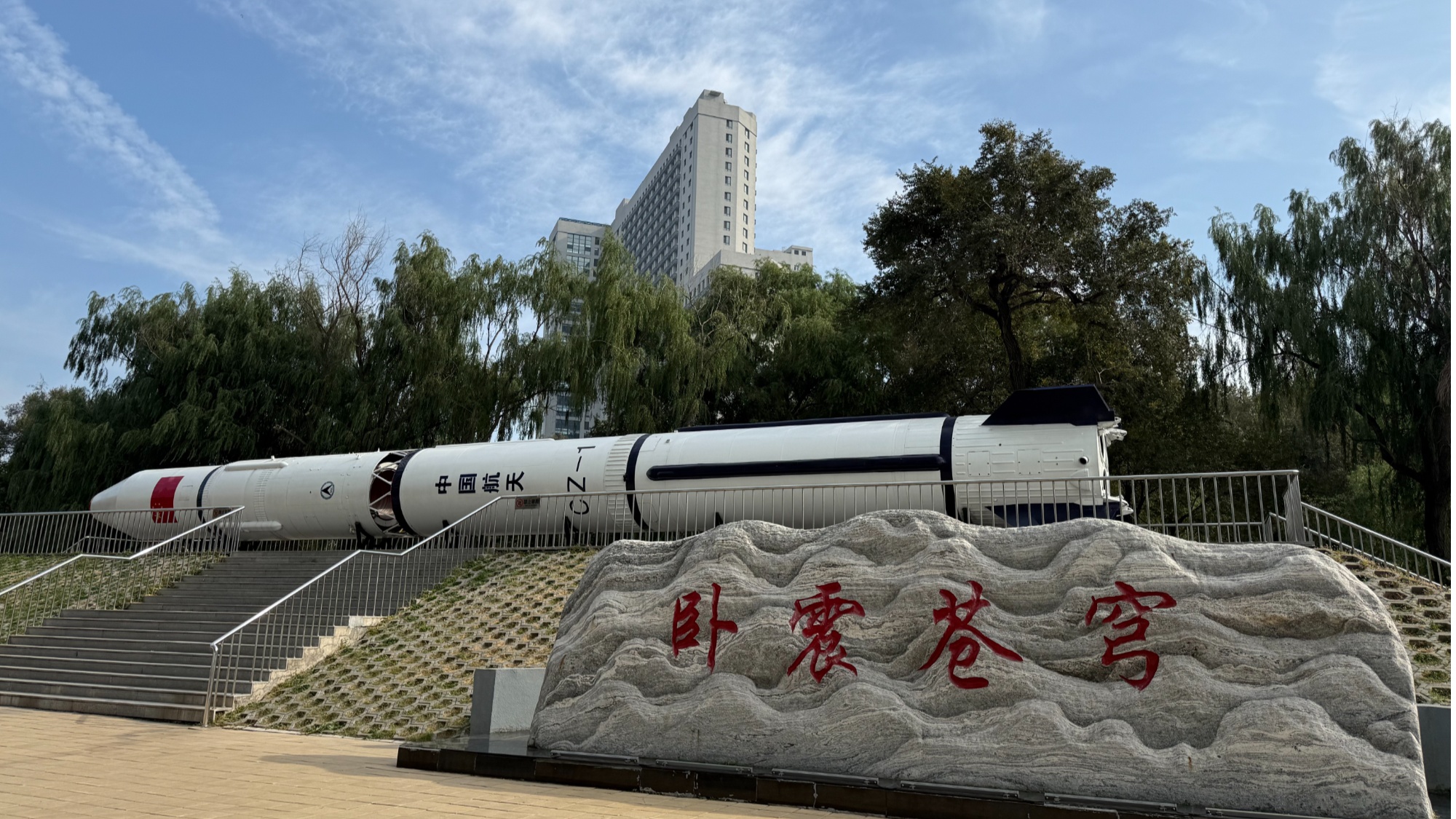
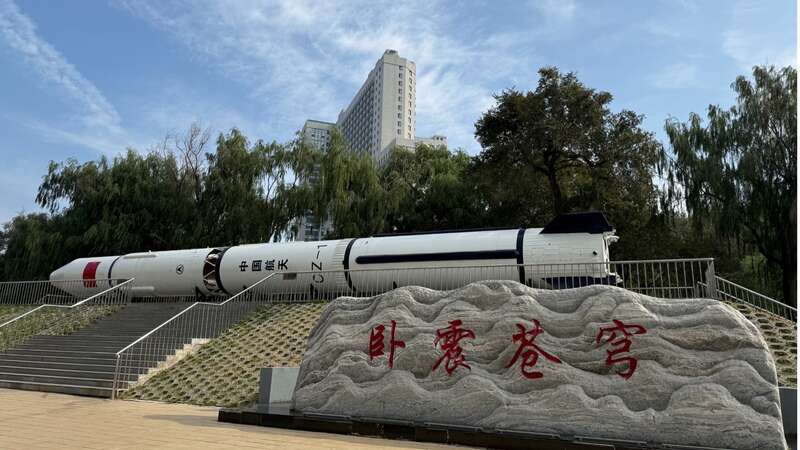
Core Viewpoint - The Harbin Institute of Technology's Aerospace Museum showcases the history and achievements of China's space exploration, emphasizing the spirit of dedication and innovation in the aerospace field [1][3][6]. Group 1: Museum Overview - The Aerospace Museum, established in 1986, is the largest and most comprehensive aerospace-themed museum among Chinese universities, integrating the grand narrative of human space exploration into its exhibits [3]. - The museum features a variety of exhibits, including the Long March 1 rocket, and highlights significant historical events such as the "Two Bombs, One Satellite" era and the advancements in lunar exploration technology [3][6]. Group 2: Educational Impact - The museum serves as a platform for educating visitors about the contributions of past aerospace pioneers, with volunteers like retired expert Feng Tao passionately sharing stories of dedication and sacrifice [5][6]. - Young students, such as Guo Zhenyu, who participated in the development of the "Wen Tian" experimental cabin's robotic arm, express pride in their contributions to national aerospace projects, showcasing the involvement of a younger generation in this field [7][8]. Group 3: Cultural Significance - The museum embodies the spirit of perseverance and meticulousness characteristic of the Harbin Institute of Technology, inspiring the younger generation to pursue their dreams in space exploration [10].

校馆弦歌丨时空对话哈工大航天馆:从“两弹一星”功勋到“揽月九天”后浪
Yang Guang Wang· 2025-10-07 06:47
Core Points - The Harbin Institute of Technology's Aerospace Museum features significant exhibits, including the Long March 1 rocket, showcasing the history and achievements of China's space exploration [1][2] - The museum, established in 1986, is the largest aerospace-themed museum among Chinese universities, integrating the grand narrative of human space exploration into its exhibitions [2] - The spirit of China's aerospace achievements, particularly the "Two Bombs, One Satellite" initiative, is emphasized through emotional storytelling by veteran volunteers [5] - Young researchers, such as the 24-year-old student Guo Zhenyu, highlight the innovative contributions of the Harbin Institute of Technology to space projects, including the successful development of the Tianwen experimental cabin's robotic arm [7] - The museum serves as a source of inspiration for the younger generation, igniting their passion for space exploration and embodying the perseverance and dedication of the aerospace spirit [9]