
防污漆

Search documents
吃蛤蜊等于吃碎玻璃?那个让船只长生不老的材料,是如何回到人类餐桌的?
3 6 Ke· 2026-01-07 00:42
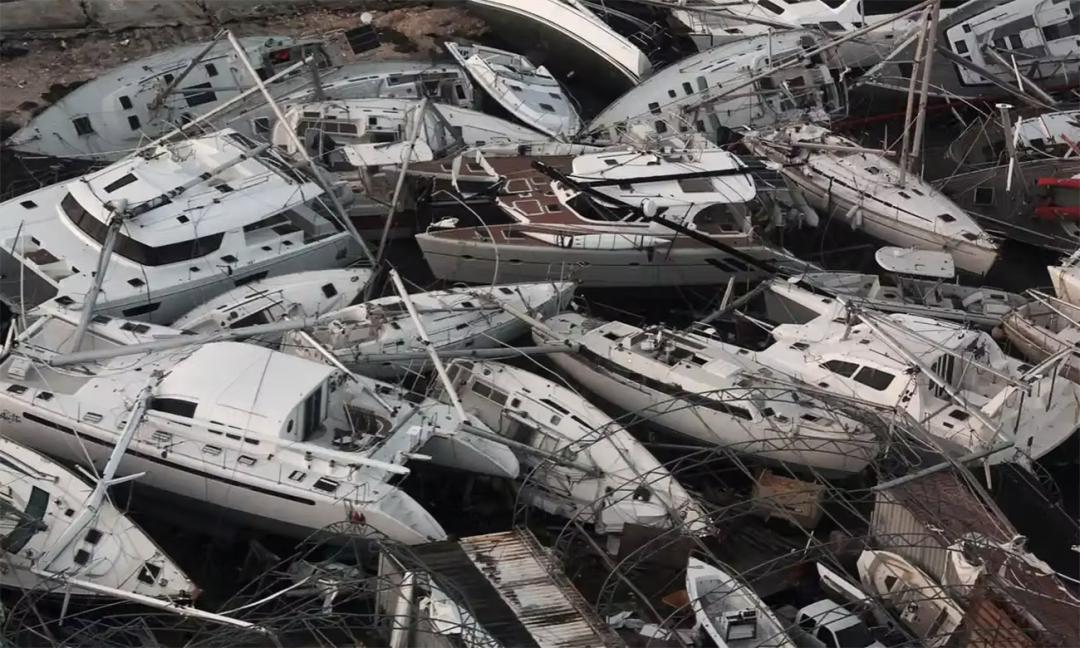
Core Viewpoint - The article discusses the environmental impact of fiberglass-reinforced plastic (GRP) boats, highlighting the pollution caused by abandoned vessels and the microplastics released during maintenance processes, which pose risks to marine life and human health [1][5][19]. Group 1: Historical Context and Material Properties - Fiberglass-reinforced plastic (GRP) emerged in the mid-20th century, consisting of fine glass fibers and resin, becoming popular in the shipbuilding industry due to its lightweight, strength, and corrosion resistance [3]. - In Brazil, the rise of recreational boating and fishing led to the launch of thousands of GRP boats, which were initially favored for their durability compared to wood and steel [5]. Group 2: Environmental Concerns - By the 21st century, many GRP boats reached retirement, but their disposal is costly and technically challenging, leading to many owners abandoning them in remote areas, resulting in numerous "zombie boats" in Guanabara Bay [6]. - Even operational boats contribute to pollution through maintenance processes, where anti-fouling paints containing heavy metals and biocides are used, leading to the release of harmful particles into the water [8][10]. Group 3: Impact on Marine Life - Research indicates that marine bivalves, such as oysters, ingest microplastics and fiberglass particles, with studies showing up to 11,220 glass fiber micro-particles per kilogram of oyster meat during peak maintenance seasons [12][14]. - The ingestion of these sharp fibers can cause severe inflammation in bivalves, leading to health issues and nutritional deficiencies due to a false sense of satiety from consuming indigestible materials [16][18]. Group 4: Human Health Implications - The presence of microplastics in seafood raises concerns for human consumers, as these particles may carry toxic substances like lead, copper, and phthalates, which can disrupt endocrine systems [19]. - The ongoing pollution from ship maintenance practices poses a growing threat, as particles are detected in various marine environments, indicating widespread contamination [21].

麦加芯彩(603062):Q1业绩同比显著提升,风电涂料业务快速增长
Tianfeng Securities· 2025-05-08 07:13
Investment Rating - The investment rating for the company is "Buy" with a target price set for the next six months [5][16]. Core Views - The company reported significant year-on-year growth in Q1 2025, with revenue reaching 424 million yuan, a 40.5% increase, and net profit attributable to shareholders at 50 million yuan, up 77.4% [1][2]. - The wind power coating business experienced rapid growth, contributing to the overall revenue increase alongside stable demand in the container business [1][2]. - The company aims to strengthen its position in the container and wind power coating sectors while expanding into new applications such as marine, photovoltaic, offshore engineering, energy storage, and data centers [3]. Financial Performance - In Q1 2025, the company's total coating production was 22,800 tons, a 22.9% increase year-on-year, with sales volumes for container coatings, wind power coatings, and other industrial coatings at 19,006 tons, 3,617 tons, and 46 tons respectively [2]. - The average selling prices for container coatings, wind power coatings, and other industrial coatings were 16,200 yuan/ton, 31,600 yuan/ton, and 20,700 yuan/ton, reflecting year-on-year changes of +9.8%, -11.9%, and +7.8% respectively [2]. - The gross profit for Q1 2025 was 104 million yuan, a 63.9% increase, with a comprehensive gross margin of 23.8%, up 3.4 percentage points year-on-year [2]. Future Outlook - The company is expected to see continued growth in net profit, with projections of 260.5 million yuan, 318.4 million yuan, and 391.7 million yuan for 2025, 2026, and 2027 respectively [3][4]. - The anticipated delivery period for wind power projects in 2025 is expected to further boost the company's product sales [2]. - The company has made strategic acquisitions and certifications, such as obtaining the DNV anti-fouling paint certification, which will help expand its market presence in marine coatings [3].
