阳台光伏产品

Search documents
阳台光伏在中国没有未来?别急着唱衰!
Jing Ji Ri Bao· 2026-02-26 07:40
Core Insights - The balcony photovoltaic (PV) market is rapidly growing, with over 1 million registered systems in Germany, driven by rising electricity prices and low entry barriers for consumers [1][2] - In China, despite stable energy supply and low residential electricity prices, the demand for balcony PV systems is increasing due to the growing electricity needs of small and medium-sized businesses [2][3] - The shift from large-scale solar installations to smaller, consumer-oriented balcony PV systems represents a significant change in the solar industry, focusing on user experience and ease of installation [2][3] Group 1 - The European balcony PV market is experiencing the fastest growth due to a 50% increase in residential electricity prices since 2022, prompting residents to adopt self-consumption solar solutions [1] - In China, the ongoing electricity market reforms are widening the price gap between peak and off-peak hours, creating cost-saving opportunities for small and medium enterprises through balcony PV systems [2] - The increasing acceptance of household solar systems is driven by rapid growth in residential electricity consumption and a heightened awareness of low-carbon energy solutions [2] Group 2 - Despite challenges such as low electricity prices and installation restrictions in urban high-rises, the potential for balcony PV in China remains strong due to technological advancements and a large urban user base [3][4] - Innovations in technology, such as improved micro-inverter efficiency and decreasing component prices, are shortening the payback period for balcony PV systems [3] - The concept of balcony PV serves as an entry point for consumers to engage with renewable energy, fostering a broader understanding and acceptance of low-carbon solutions [4] Group 3 - The limited power generation capacity of individual balcony PV systems does not replace large-scale renewable energy sources but plays a crucial role in educating consumers about energy production [4] - The diversification of solar energy pathways, from large installations to household applications, is essential for a comprehensive energy transition [4] - Companies are encouraged to focus on user needs and adapt their operational models to integrate solar technology into everyday life, enhancing the accessibility of renewable energy [4]
阳台光伏在中国没有未来?以小场景撬动大变革
Jing Ji Ri Bao· 2026-02-26 06:17
Core Insights - The rise of balcony photovoltaic systems demonstrates that the photovoltaic industry can thrive in small-scale applications, allowing ordinary individuals to transition from electricity consumers to "prosumers" [1][2] Group 1: Market Dynamics - In Europe, the rapid growth of balcony photovoltaic systems is driven by a 50% increase in residential electricity prices since 2022, prompting residents to adopt these systems to alleviate electricity cost pressures [1] - In China, despite stable energy supply and low residential electricity prices, the growing electricity demand from small and medium-sized businesses creates a favorable environment for balcony photovoltaic systems [2] - The market potential for balcony photovoltaic systems in China is significant, with estimates suggesting a market space exceeding 100 million kilowatts if 20% penetration is achieved [3] Group 2: Technological Advancements - Technological advancements, such as improved micro-inverter efficiency and decreasing component prices, are shortening the payback period for balcony photovoltaic systems [3] - The integration of energy storage solutions is enhancing the convenience and efficiency of these systems, making them more appealing to consumers [3] Group 3: Consumer Engagement - Balcony photovoltaic systems serve as an entry point for consumers to engage with renewable energy, fostering a greater understanding and acceptance of low-carbon energy solutions [4] - The shift from viewing photovoltaic systems as investment products to consumer goods emphasizes the importance of user experience, installation convenience, and aesthetic compatibility [2] Group 4: Industry Perspective - The balcony photovoltaic trend highlights the need for diverse pathways in energy transition, moving beyond large-scale installations to include residential applications [4] - Companies are encouraged to adapt their business and operational models to meet user demands, facilitating the integration of photovoltaic technology into everyday life [4]
中经评论:阳台光伏以小场景撬动大变革
Jing Ji Ri Bao· 2026-02-25 23:56
Core Insights - The balcony photovoltaic (PV) market is rapidly growing, with over 1 million registered systems in Germany, driven by rising electricity prices and supportive policies [1] - In China, despite stable energy supply and low residential electricity prices, the demand for balcony PV is increasing due to the growing electricity needs of small and medium-sized businesses [2] - The shift from large-scale solar installations to smaller, consumer-oriented balcony PV systems represents a significant opportunity for the solar industry in China [2][3] Group 1: Market Dynamics - The European market for balcony PV is experiencing the fastest growth due to a 50% increase in residential electricity prices since 2022, prompting residents to adopt self-consumption solutions [1] - In China, the widening gap between peak and valley electricity prices, along with the establishment of peak and valley pricing mechanisms, is creating cost-saving opportunities for small and medium-sized enterprises through balcony PV [2] - The potential market for balcony PV in China is estimated to exceed 100 million kilowatts if 20% penetration is achieved, despite the smaller scale of individual systems [3] Group 2: Technological and Consumer Trends - Technological advancements, such as improved micro-inverter efficiency and decreasing component prices, are shortening the payback period for balcony PV systems [3] - The transition of balcony PV from a large-scale investment product to a consumer product emphasizes user experience, installation convenience, and aesthetic compatibility over technical specifications [2] - Balcony PV serves as an entry point for consumers to engage with renewable energy, fostering a broader societal shift towards low-carbon awareness [4] Group 3: Challenges and Opportunities - Despite challenges such as low electricity prices and installation restrictions in urban high-rise buildings, the balcony PV market in China is expected to thrive due to innovative ownership models and the large urban population [3] - The limited energy output of individual balcony PV systems does not diminish their value; instead, they play a crucial role in educating consumers about renewable energy [4] - The diversification of solar energy pathways, from large installations to household applications, is essential for a comprehensive energy transition [4]
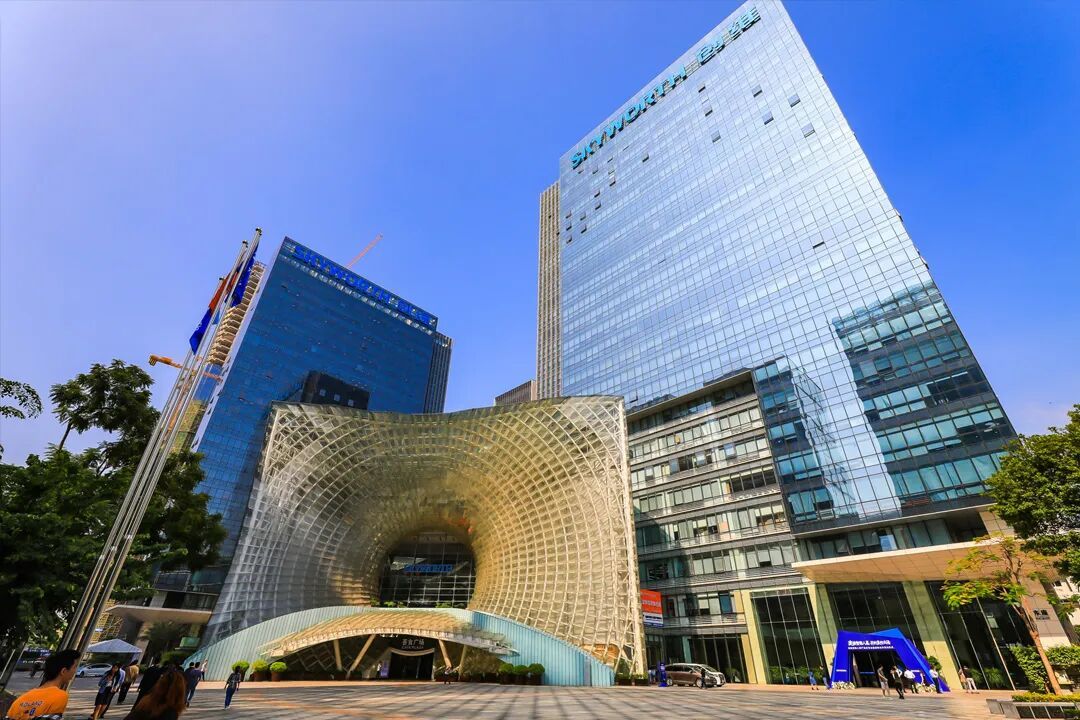
黄宏生家族,330亿的生意退市
商业洞察· 2026-01-23 09:35
Core Viewpoint - The article discusses the strategic move by the Huang Hongsheng family to privatize Skyworth Group and spin off its solar energy business for independent listing, reflecting a shift in focus towards renewable energy and the potential for significant growth in this sector [4][5][10]. Group 1: Privatization and Spin-off Strategy - On January 21, Skyworth Group announced plans for privatization and the spin-off of its solar business, offering shareholders two options: a share swap or cash payout, leading to a 37% increase in stock price [5][12]. - The estimated valuation of Skyworth Solar is around 10 billion RMB, with the Huang family retaining a 46.52% stake post-transaction [7]. - The privatization involves repurchasing 635 million shares from other shareholders, with the cash option providing a 96% premium over the previous closing price [14][15]. Group 2: Financial Performance and Growth - For the first half of 2025, Skyworth Group reported a revenue increase to 36.26 billion RMB, with the solar business contributing 13.84 billion RMB, a 53.5% year-on-year growth [23][24]. - The solar segment is expected to surpass traditional television revenue by mid-2025, driven by the saturation and competitive pressures in the traditional appliance market [26]. - The management highlighted that the current market valuation does not reflect the intrinsic value of the solar assets, prompting the need for an independent listing to enhance brand image and facilitate international expansion [29]. Group 3: Market Position and Future Plans - Skyworth entered the solar market in 2020, focusing on distributed solar solutions tailored to user needs, leveraging its extensive distribution network from its home appliance business [30][34]. - The company has established over 800,000 solar power stations, generating more than 41 billion kWh of electricity, with operational capacity exceeding 27 GW [22]. - Future plans include expanding the solar business internationally, with significant contracts already signed in Europe and Southeast Asia, aiming to capitalize on the higher electricity prices abroad [39][41].


黄宏生家族,330亿家电生意退市
Xin Lang Cai Jing· 2026-01-21 13:49
Core Viewpoint - The Huang Hongsheng family, controlling Skyworth Group, announced plans for privatization and the spin-off of its solar business for independent listing, leading to a significant stock price increase of 37% on the announcement day, with a market capitalization reaching HKD 13.5 billion [2][25]. Group 1: Privatization and Spin-off Details - Skyworth Group will offer shareholders two options: a share swap for Skyworth Solar or a cash payout of HKD 4.03 per share, with the latter representing a 96% premium over the previous closing price [7][31]. - The estimated valuation of Skyworth Solar is approximately RMB 10 billion, and the Huang family will retain a 46.52% stake post-transaction [4][26]. - The privatization process requires the repurchase of 635 million shares from other shareholders, as the Huang family currently holds about 66.46% of Skyworth Group [5][27]. Group 2: Financial Performance and Business Transition - For the first half of 2025, Skyworth Group reported revenues of RMB 36.26 billion, with the solar business contributing RMB 13.84 billion, a 53.5% year-on-year increase, accounting for nearly 40% of total revenue [12][34]. - The traditional smart appliance segment is experiencing slower growth due to market saturation and increased competition, making the solar business a key growth driver [13][36]. - The company aims to split into multiple listed entities, with a target of ten companies, each aiming for a valuation of RMB 10 billion [10][32]. Group 3: Market Strategy and Future Outlook - Skyworth's solar business focuses on distributed solar energy solutions, including customized products for residential and industrial applications [10][32]. - The company has built over 800,000 solar power stations, generating more than 41 billion kilowatt-hours of electricity, with operational capacity exceeding 27 gigawatts [12][34]. - Skyworth plans to leverage its extensive distribution network from its home appliance business to promote and install solar panels, enhancing its market presence [18][40]. Group 4: International Expansion and Competitive Position - The company is targeting international markets for solar expansion, with significant price differentials between domestic and European electricity rates, presenting growth opportunities [21][42]. - Skyworth has secured contracts for solar projects in Italy and France, and is expanding its footprint in Southeast Asia and Africa [45].