
陪伴机器人等

Search documents
视频丨全球企业深耕中国 进博会印证“开放的大门越开越大”
Yang Shi Xin Wen Ke Hu Duan· 2025-11-10 23:58
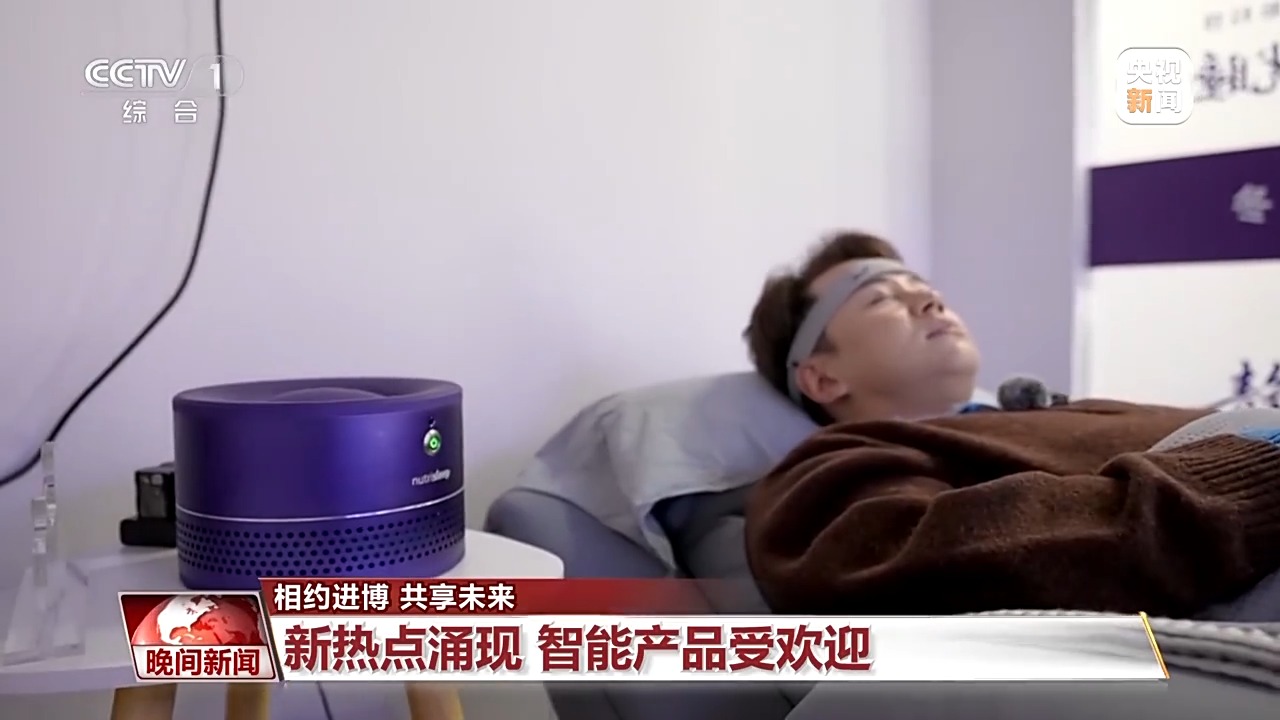
Core Insights - The eighth China International Import Expo (CIIE) achieved multiple historical highs, showcasing China's commitment to expanding its openness [1] Group 1: Event Highlights - A total of 4,108 enterprises from 138 countries and regions participated in this year's expo, with both exhibition area and number of companies reaching record highs [17] - The expo featured 461 new products, technologies, and services, including 201 global debuts, 65 Asian premieres, and 195 Chinese debuts, with a significant focus on artificial intelligence and humanoid robots [3] Group 2: Emerging Trends - New consumer trends such as the "silver economy," "pet economy," and "self-care consumption" emerged, with products like smart hearing aids, sleep systems, and companion robots gaining popularity [6] - A smart air purifier designed for pet owners was showcased, capable of eliminating allergens and odors associated with pets, enhancing the pet ownership experience [9] Group 3: Cultural Exchange - The expo introduced the "CIIE Cultural Exchange Night," with over 38,000 square meters dedicated to cultural displays, featuring a blend of food, cultural heritage, and modern exhibits [10][12] - The event highlighted traditional Chinese culture, including intangible cultural heritage, with a focus on promoting traditional crafts like Song brocade [14] Group 4: Transaction Achievements - The expo achieved an intended transaction amount of $83.49 billion, marking a 4.4% increase from the previous year, setting a new record [17] - Over 460,000 registered visitors attended, a 7% increase year-on-year, with approximately 50,000 social audience members experiencing the expo firsthand [17]

推动人工智能加速跑 四川将发布150个以上应用场景
Si Chuan Ri Bao· 2025-05-31 01:49
Core Viewpoint - The Sichuan Provincial Artificial Intelligence Industry Chain Office has issued a work plan to accelerate the application of AI scenarios from 2025 to 2027, focusing on key industries such as advanced manufacturing, emergency rescue, social welfare, commerce and tourism, and urban governance, aiming to create a national high ground for AI scenario innovation [1][2]. Group 1: Key Industries and Applications - In advanced manufacturing, the focus will be on applications such as industrial brains, machine vision and inspection, equipment maintenance, smart warehousing, and robotics for manufacturing and logistics [2]. - In the social welfare sector, key applications will include smart governance for old residential areas, home monitoring, wearable devices, companion robots, exoskeleton robots, brain-computer interfaces, healthcare, market monitoring, and safety regulation [2]. - In commerce and tourism, the emphasis will be on smart shopping guides, intelligent delivery, smart container transport, and autonomous driving [2]. - Urban governance will see advancements in traffic flow control, transportation infrastructure, urban information management, risk monitoring, and online governance information dissemination [2]. Group 2: Support Measures and Policies - The work plan outlines six areas for support, including proactive scene opening, product iteration, and financial and computing power subsidies, to strengthen policy and financial backing [3]. - The plan will involve a comprehensive review of open application scenarios across regions and departments, leading to an annual scene opening plan with quarterly releases for enterprise engagement [3]. - Financial support measures such as technology innovation vouchers, guiding funds, and computing power subsidies are expected to encourage companies to engage in high-risk, high-value R&D, positioning them as innovators in scenario applications [3].