
雨洁洗发水

Search documents
【财报透视】拉芳家化上市首亏,老牌国货为何陷“中间品牌陷阱”?
Sou Hu Cai Jing· 2026-02-05 07:29
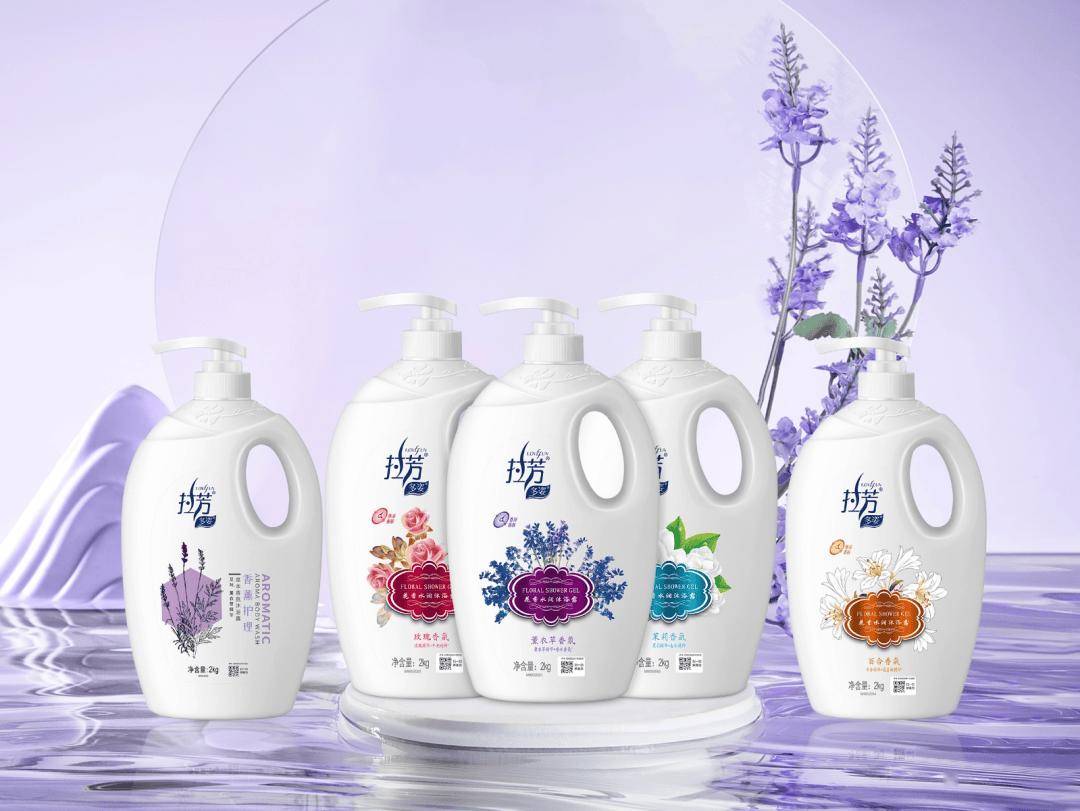
Core Viewpoint - Lafang Jiahua has reported its worst performance since its listing, forecasting a net loss of 25 to 32 million yuan for 2025, marking its first annual loss since 2017 [2][3] Financial Performance: Performance Decline and Structural Imbalance - The company's financial situation is facing unprecedented challenges, with a projected net profit loss of 25 to 32 million yuan and a non-recurring net profit loss of 34 to 41 million yuan for 2025, indicating its first annual loss since going public [2][4] - Since reaching a peak net profit of 138 million yuan in 2017, Lafang Jiahua's net profit has been on a downward trend, dropping to 4.1 million yuan in 2024 and turning to a loss in 2025 [3][4] - In the first three quarters of 2025, revenue fell by 6.37% to 627 million yuan, while sales expenses surged to 226 million yuan, resulting in a sales expense ratio of 36%, an increase of 4.2 percentage points from 2024 [5] Causes of Decline: Multiple Challenges Leading to Survival Crisis - The company's first loss is attributed to a combination of internal and external factors, including being trapped in the "middle brand trap," where it faces pressure from both high-end brands and low-cost products [6][7] - Lafang Jiahua's brand is aging and struggling to connect with younger consumers, as its marketing narrative fails to resonate with the Z generation [6] - The company relies heavily on traditional distribution channels, with 70% of revenue coming from these channels, while e-commerce accounts for less than 30% [7] Transformation Dilemma: High Investment with Low Returns - Lafang Jiahua's transformation efforts have resulted in high costs without corresponding revenue growth, as seen in its significant marketing expenditures that have not translated into profit [10][11] - The company has been slow to adapt to online sales trends, relying on high-cost traffic acquisition strategies that further erode profits [11] - The multi-brand strategy has not yielded the expected synergies, with the main brand contributing over 80% of revenue while other brands remain weak [12] Conclusion - Lafang Jiahua's challenges reflect the broader difficulties faced by traditional brands in adapting to a rapidly changing market, necessitating a focus on product innovation, channel restructuring, and brand revitalization to escape the "middle brand trap" [14]


洗护行业深度研究报告:细分化功效化趋势不改,国货洗护潜力无限
Shenwan Hongyuan Securities· 2025-08-24 11:15
Investment Rating - The report maintains a "Positive" outlook on the hair care industry, highlighting its significant market potential and opportunities for differentiation [3][6]. Core Insights - The hair care industry is the second largest segment in the cosmetics market, following skincare, with substantial potential for domestic brand replacement. The demand for hair care products is evolving towards more personalized and segmented offerings, driven by consumers' increasing pursuit of quality in their daily lives [5][6]. - The market for hair care products in China is expected to grow steadily, with sales reaching 55.9 billion yuan in 2023, reflecting a year-on-year increase of 13.4%. Projections indicate that the market could exceed 70 billion yuan by 2026 [5][6]. - Domestic brands are well-positioned to capture market share due to their understanding of local consumer needs, especially in a market where international brands dominate but face challenges in adapting to rapid changes in consumer preferences [7][8]. Summary by Sections 1. Hair Care Market Overview - The hair care segment is characterized by a wide range of products, including cleansing and conditioning items, and is crucial in consumers' daily routines. The market is experiencing a shift towards more specialized and effective products [16][18]. - The competitive landscape is shifting, with domestic brands gaining traction as international leaders struggle to keep pace with evolving consumer demands [22][27]. 2. Hair Care Product Trends - The demand for functional and gentle hair care products is on the rise, with consumers increasingly seeking solutions for specific issues such as hair loss and scalp health. The market is seeing a trend towards herbal ingredients that appeal to health-conscious consumers [55][67]. - The hair care market is projected to maintain stable growth, with a market size of 55.9 billion yuan in 2023 and an expected increase to over 70 billion yuan by 2026 [63][67]. 3. Facial Cleansing Market Dynamics - The facial cleansing market is also experiencing steady growth, with a market size of 49.8 billion yuan in 2023, projected to reach 52.5 billion yuan by 2026. Multi-functional products that combine cleansing with other benefits are gaining popularity [5][6]. 4. Body Care Market Insights - The body care segment is witnessing a revival, with consumers increasingly valuing emotional well-being and seasonal product differentiation. The market is expected to reach 23.4 billion yuan by 2024, with a focus on efficacy and fragrance [5][6]. 5. Competitive Landscape and Opportunities - Numerous domestic beauty companies are expanding their product lines and adopting multi-brand strategies to capture market share in the hair care sector. Key players include Lafang, Shangmei, Shanghai Jahwa, and Proya, each with distinct strategies to enhance brand recognition and market presence [6][7][8].

