
青铜着裙立人像

Search documents
文物“出差”游客热度不减 科技让古蜀文明“活”起来
Zhong Guo Jing Ji Wang· 2026-02-13 22:56
Core Viewpoint - The article highlights the vibrant atmosphere at the Sanxingdui Museum in Guanghan, Sichuan, as it prepares for the upcoming Spring Festival, showcasing the unique charm of ancient Shu civilization through its exhibits and modern technology [1][2]. Group 1: Museum Experience - The museum features a grand exhibition space with carefully designed lighting that enhances the solemn and mysterious aura of its precious artifacts, attracting a continuous flow of visitors [2]. - The museum's "treasures," such as the bronze mask and the bronze sacred tree, remain the main attractions for visitors [4]. - A popular exhibit, the bronze figure known as the "bronze fitness coach," continues to draw attention even while on display at the National Museum, with 3D printed replicas available for visitors to admire [5]. Group 2: Technological Integration - Artifacts over three thousand years old showcase the brilliance and mystery of ancient Shu civilization through their unique designs and exquisite craftsmanship [6]. - The museum employs naked-eye 3D technology to recreate an archaeological cabin, allowing visitors to experience the process of artifact excavation as "archaeologists" [8]. - Modern technology has enabled the "cross-pit" assembly of the bronze altar, enhancing the presentation of ancient artifacts [9]. - An immersive light and shadow theater brings the ancient Shu world to life, making it tangible for visitors [10]. - Advances in technology have allowed for the digital "rebirth" of many ancient artifacts, making them more accessible to the public [11]. Group 3: Cultural Promotion - The museum's cultural and creative area offers new year items featuring Sanxingdui elements, such as toys, stationery, and fridge magnets, which are both fun and commemorative [12]. - Sanxingdui artifacts have traveled beyond Guanghan to meet audiences nationwide, with an upcoming exhibition titled "Double Stars Shine - Sanxingdui and Jinsha Site Ancient Shu Civilization Exhibition" set to open at the National Museum of China on January 18, 2026, allowing more people to experience the charm of ancient Shu civilization [12].
古蜀珍宝到国博“出差”,总共分几步?
Xin Lang Cai Jing· 2026-01-21 19:36
Core Viewpoint - The exhibition "Double Stars Shine in the World - Sanxingdui and Jinsha Site Ancient Shu Civilization Exhibition" opened at the National Museum of China, showcasing over 200 exquisite artifacts from the ancient Shu civilization, highlighting the peaks of the Sanxingdui and Jinsha sites [4]. Group 1: Exhibition Overview - The exhibition features a rich collection of bronze, jade, and gold artifacts, presenting a comprehensive view of the brilliance of ancient Shu civilization during the Bronze Age [4]. - The exhibition is a result of meticulous planning and adherence to legal regulations, ensuring the safe transport and display of cultural relics [5]. Group 2: Artifact Transportation Process - The process of transporting artifacts involves multiple rigorous steps, starting with a health check and maintenance to assess their suitability for travel [5]. - A detailed loan agreement is signed, covering the duration of the exhibition and protection standards before the artifacts are allowed to be displayed [5]. - The artifacts undergo a thorough verification process involving the collection unit, borrowing museum, and transportation company, ensuring all conditions are documented [6]. Group 3: Packaging and Transportation - Artifacts are packaged using multiple layers of protection, following national standards for artifact packaging and transportation [6]. - The transportation vehicles are equipped with temperature and humidity control systems, ensuring a safe environment for the artifacts during transit [6]. - Upon arrival, experienced professionals from the Jinsha Site Museum oversee the exhibition setup, ensuring all display conditions meet protection requirements [9]. Group 4: Special Features of Artifacts - The exhibition includes unique artifacts such as jade and bronze sculptures, each requiring specific handling and transportation methods [8]. - Specialized tools are used for the verification of different types of artifacts, ensuring their condition is accurately assessed [8]. - Custom packaging materials, such as acid-free paper and tailored containers, are utilized to protect the artifacts from environmental damage [8]. Group 5: Future Highlights - Notable artifacts like the Sun God Bird gold ornament and gold mask will be featured later in the exhibition, with specific dates announced for their display [9]. - The exhibition will conclude on August 18, after which all artifacts will be returned to the Jinsha Site Museum [9].

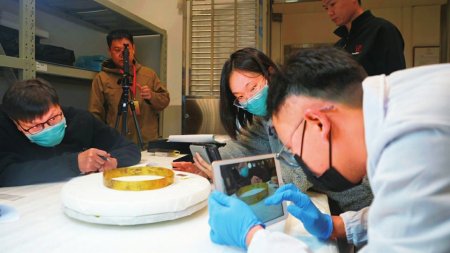
三星堆戴冠纵目面具“历史性聚首”
Xin Lang Cai Jing· 2026-01-20 19:54
Core Viewpoint - The exhibition "Double Stars Shine in the World - Ancient Shu Civilization Exhibition of Sanxingdui and Jinsha Sites" showcases over 200 exquisite artifacts from the Sanxingdui and Jinsha sites, reflecting the life and spiritual world of ancient Shu ancestors and their close ties with the Central Plains and the Yangtze River basin [8][10]. Group 1: Exhibition Overview - The exhibition is guided by the National Cultural Heritage Administration and organized by the National Museum of China and the Sichuan Provincial Cultural Heritage Administration, opening on January 18 and running until mid-August [8]. - It features four thematic units: "Stunning Secrets," "Dance of Gods and Humans," "Worship of Heaven and Earth," and "Mutual Appreciation," highlighting the unique value of ancient Shu civilization [8][10]. - The exhibition includes 108 artifacts from the Jinsha site, with 37 pieces never exhibited outside since the museum's opening, including iconic items like the bronze standing figure and beast-head jade pendant [8][10]. Group 2: Notable Artifacts - The exhibition features significant artifacts such as the bronze beast mask, sun-shaped bronze vessels, and the bronze figure known as the "Bronze Fitness Coach," showcasing the creativity and imagination of ancient Shu people [10][12]. - A historic gathering occurs with the display of two crown-shaped eye masks from the Sanxingdui Museum and the National Museum of China, marking the first time these iconic bronze masks are exhibited together since their discovery in 1986 [11]. - The exhibition also highlights the gold mask copper human head, known for its combination of gold foil and bronze, and is considered the most complete gold mask from the Shang and Zhou dynasties in China [12]. Group 3: Archaeological Significance - The discoveries at the Sanxingdui and Jinsha sites are recognized as major archaeological finds of the 20th and early 21st centuries, showcasing the harmonious coexistence of ancient Shu civilization with its natural environment [10]. - The exhibition emphasizes the importance of ancient Shu civilization in the context of China's diverse and unified cultural landscape, contributing unique insights into human civilization [12]. Group 4: Accessibility and Engagement - The exhibition incorporates multi-dimensional sensory experiences and inclusivity features, such as Braille descriptions, NFC sensing, touchable exhibits, and audio guide QR codes, ensuring accessibility for all visitors, including those with disabilities [12].
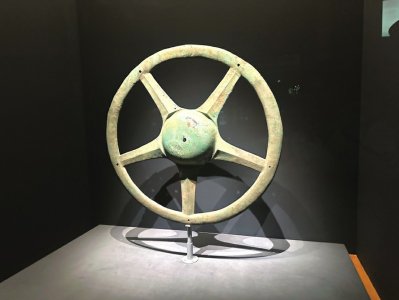
跨时空对话,三星堆—金沙遗址古蜀文明展亮相国博 戴冠纵目面具首次同台亮相
Si Chuan Ri Bao· 2026-01-19 00:35
Core Viewpoint - The exhibition "Double Stars Shine in the World - Sanxingdui and Jinsha Site Ancient Shu Civilization Exhibition" showcases over 200 exquisite artifacts from the Sanxingdui and Jinsha sites, highlighting the archaeological journey and rich cultural heritage of ancient Shu civilization, and its connections with the Central Plains and the lower reaches of the Yangtze River [7][8]. Group 1: Exhibition Details - The exhibition runs from June 13 to August 18, featuring the Sun God Bird gold ornament from the Jinsha site as the centerpiece, with 37 artifacts making their debut [7][11]. - This is the first time the crowned eye masks from the Sanxingdui Museum and the National Museum of China are displayed together since their discovery in 1986 [12]. Group 2: Cultural Significance - The Sanxingdui and Jinsha sites are recognized as the largest and most culturally rich urban ruins in the Yangtze River basin, providing crucial archaeological evidence for the multi-faceted nature of Chinese civilization [8]. - The exhibition is divided into four sections: "Stunning Treasures," "Gods and Humans Dance Together," "Worshiping Heaven and Earth," and "Mutual Integration and Appreciation," each revealing different aspects of ancient Shu civilization [8][9]. Group 3: Artifacts and Innovations - The "Worshiping Heaven and Earth" section showcases artifacts that reflect the high status of religious rituals in ancient Shu society, including jade and masks that signify the importance of spirituality [9]. - The "Mutual Integration and Appreciation" section explains how the Sanxingdui and Jinsha cultures innovated by incorporating surrounding civilizations, exemplified by the unique bronze tree and advanced goldsmithing techniques [10].
