
非洲葡萄酒

Search documents
53国货物0税准入中国,这不是生意,是战略!联合国秘书长力挺
Sou Hu Cai Jing· 2026-02-17 03:30
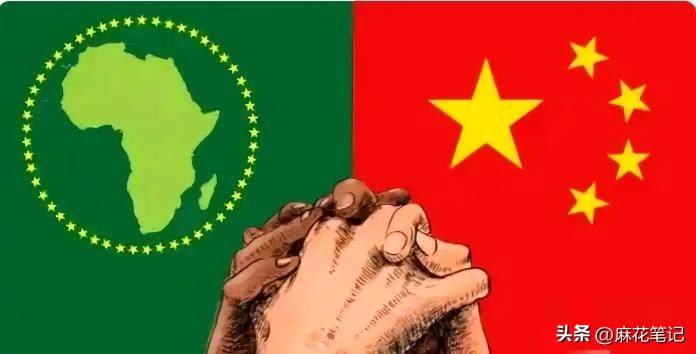
Core Viewpoint - China will implement a zero-tariff policy for 53 African countries starting May 1, which is a significant move in its foreign trade strategy and aims to enhance cooperation with Africa [1][3]. Group 1: Policy Impact on African Countries - The zero-tariff policy will significantly reduce export costs for African goods, making them more competitive in the Chinese market, which is expected to increase sales and revenue for these countries [3][4]. - This initiative addresses the challenges faced by African products in the Chinese market, such as high tariffs that previously hindered sales [3][4]. Group 2: Strategic Significance - The policy covers nearly all African nations, excluding only Eswatini, and is supported by improved logistics and green channels that expedite market access for African goods [4]. - This unilateral approach contrasts with traditional trade negotiations, showcasing China's confidence in its strategy to open its market fully [4][5]. Group 3: Mutual Benefits - The zero-tariff initiative is a win-win situation, as China seeks essential raw materials from Africa while providing industrial goods and infrastructure support in return [5]. - The move is seen as a strategic layout by China to foster deeper ties with Africa, promoting mutual development rather than mere aid [5].

跨境电商平台带来中非贸易新机遇
Xin Hua She· 2025-06-15 09:59
Group 1 - The article highlights the emergence of cross-border e-commerce platforms as new opportunities for Sino-African trade, particularly through the company Kilimall, which is expanding its operations in Africa [1][2] - Kilimall has established large overseas warehouses in countries like Kenya, Uganda, and Tanzania, with over 1,500 community pickup points and an annual app download growth rate of 50% [1][2] - The article emphasizes the growing digital economy cooperation between China and Africa, with increasing consumer engagement through live-streaming e-commerce platforms promoting African products [2] Group 2 - The article discusses the opening of the "Chieftain's Wharf," a South African product offline brand store in Changsha, which integrates African culture with e-commerce elements [3] - The article mentions the establishment of the Yongzhou Land Port Cross-Border E-Commerce Center, which combines live-streaming e-commerce, TV shopping, and industrial linkage to enhance Sino-African trade [3] - The article notes that the improvement of infrastructure and the rise in smartphone penetration in Africa are creating a "blue ocean" for cross-border e-commerce development [2]