
非遗文化游

Search documents
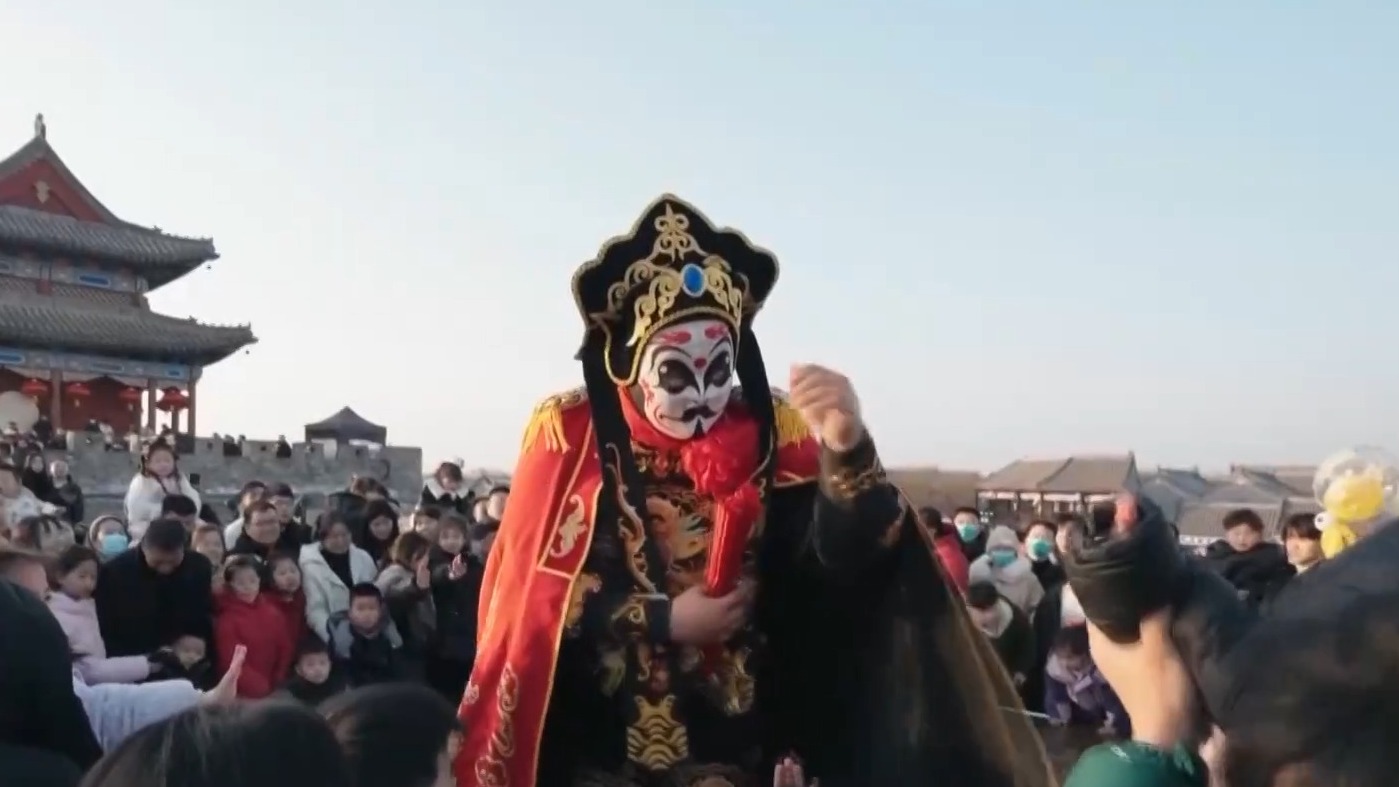
今年春节假期文旅消费有何亮点?马上盘一盘
Yang Shi Xin Wen Ke Hu Duan· 2026-02-24 02:15
Core Insights - The Spring Festival holiday has seen a significant increase in experiential tourism, with a focus on intangible cultural heritage and traditional customs, reflecting a strong demand for cultural experiences during the holiday season [1][2][4] Group 1: Cultural Tourism Trends - Various regions have integrated intangible cultural heritage and traditional customs into their activities, creating a festive atmosphere that enhances the cultural experience of the Spring Festival [2] - In Shanxi, local events such as stilt walking and traditional performances have been organized to celebrate the New Year, showcasing the region's cultural richness [2] - In Henan, visitors enjoyed traditional performances like Sichuan opera and dragon dances, emphasizing the importance of cultural heritage during the holiday [4] Group 2: Travel Patterns and Destinations - The nine-day holiday, combined with improved transportation, has led to a rise in medium to long-distance travel, with family reunions and tourism becoming popular trends [6] - Popular destinations include Yunnan, Hainan, and Heilongjiang, driven by winter tourism and the desire to escape the cold [6] - The integration of film locations into tourism has boosted markets in places like Sichuan and Shenzhen, highlighting the impact of cross-industry collaboration on cultural tourism [6] Group 3: Public Services and Visitor Experience - Local governments have innovated public service measures to enhance visitor experiences, transitioning from reactive to proactive service models [6] - Initiatives such as free public transport in Fuzhou and advanced charging facilities in service areas have improved accessibility and convenience for tourists [6] Group 4: Inbound Tourism Growth - The expansion of visa-free travel has attracted more foreign tourists to celebrate the Spring Festival in China, with major cities like Shanghai and Beijing being popular destinations [7][8] - In Shanghai, traditional performances and cultural activities have provided foreign visitors with an immersive experience of Chinese New Year celebrations [7] - In Xi'an, tourists have engaged with historical sites and traditional crafts, benefiting from convenient payment methods and rich cultural offerings [8]

视频丨今年春节假期文旅消费有何亮点?马上盘一盘
Yang Shi Xin Wen Ke Hu Duan· 2026-02-24 02:01
Core Insights - The Spring Festival holiday has seen a significant increase in experiential tourism, with activities such as intangible cultural heritage tours, traditional customs, and local fairs becoming popular among tourists [1][2] Group 1: Cultural Tourism Trends - The integration of intangible cultural heritage and traditional customs has created a vibrant atmosphere during the Spring Festival, enhancing the cultural experience for visitors [2] - Various regions have organized activities that showcase local traditions, such as performances in Shanxi and Henan, which have attracted many tourists seeking to experience the festive spirit [2] Group 2: Travel Patterns and Destinations - The nine-day holiday has led to a rise in medium to long-distance travel, with families combining visiting relatives with tourism, and new travel patterns such as staggered travel becoming popular [3] - Popular destinations include Yunnan, Hainan, and Heilongjiang, driven by winter tourism and the appeal of scenic locations [3] Group 3: Public Service Innovations - Local governments have improved public services to enhance tourist experiences, transitioning from reactive to proactive service models, such as free public transport in Fuzhou and advanced charging facilities for electric vehicles [3] Group 4: Inbound Tourism Growth - The expansion of China's visa-free travel options has led to an increase in foreign tourists celebrating the Spring Festival in China, with major cities like Shanghai and Beijing being popular destinations [4][5] - Tourists are engaging in immersive cultural experiences, such as traditional performances and local customs, which enrich their understanding of Chinese New Year celebrations [4][5]
2026年旅游市场强劲开局体验升级、目的地多元与南北交融成新常态
Zhong Guo Zheng Quan Bao· 2026-01-04 20:07
Core Insights - The tourism market is experiencing a significant shift from "seeing the world" to "enjoying oneself," driven primarily by younger consumers who prioritize emotional and experiential value in their travel choices [1][2][5] - The demand for high-quality travel experiences is increasing, with consumers willing to pay a premium for unique accommodations and activities [1][5] Group 1: Market Trends - The New Year's tourism market shows a 20% increase in both the average number of shopping items and spending per visitor compared to the previous year [1] - There is a notable trend towards the decentralization of travel destinations, with smaller cities and counties experiencing significant growth in tourism orders [2][3] - Popular destinations like Qingyuan, Tongchuan, and Fushun have seen rapid order growth, indicating a shift in tourist preferences towards unique local experiences [2][3] Group 2: Experience-Driven Consumption - Events such as music festivals and concerts are becoming key drivers of local tourism, reflecting a transition from resource-oriented to experience-oriented tourism [2] - The rise of domestic theme parks, particularly those with cultural themes, is attracting younger audiences and boosting local hotel bookings [3] - The integration of various experiences, such as "ice and snow" activities and "duty-free" shopping, is enhancing the appeal of winter tourism [4] Group 3: International Travel Dynamics - The outbound tourism market is recovering, with long-haul destinations like Australia and the USA gaining popularity, alongside rapid growth in lesser-known destinations due to visa-free policies [5] - There is a noticeable increase in outbound travel orders from non-first-tier cities, indicating a broader market penetration of travel demand [5] - The trends observed during the New Year's holiday are expected to shape the tourism industry in 2026, emphasizing the need for experiential, quality, and diversified travel offerings [5]
元旦旅游迎来开门红,广东清远、陕西铜川等“黑马”增速领跑
Nan Fang Du Shi Bao· 2026-01-04 10:44
Group 1 - The tourism market during the New Year's holiday in 2026 showed strong performance, with 142 million domestic trips and total spending of 84.789 billion yuan, indicating a robust recovery and consumer confidence [1][2] - Consumer willingness to travel and spending power increased significantly, with average spending per trip estimated at 597 yuan, and various platforms reporting substantial growth in travel-related bookings [1][2] - Emerging destinations with unique experiences and convenient transportation saw remarkable growth, with cities like Qingyuan and Tongchuan leading in growth rates [1][6] Group 2 - The travel market exhibited a strong upward trend, with hotel bookings increasing by 280% and destination activity bookings rising over 270% compared to the previous year [2] - The "拼假" (flexible holiday) strategy allowed consumers to extend their travel periods, leading to increased demand for long-distance and in-depth vacation experiences [2][3] - Young consumers, particularly those born after 2000, dominated the market, with a focus on self-indulgent travel experiences, driving the trend of "老己游" (self-care travel) [3][4] Group 3 - Family travel, especially among parents with children, showed significant growth, with an 80% increase in travel participation, indicating a shift towards high-quality accommodations [4] - The demand for unique and immersive experiences is rising, with self-driving tours gaining popularity and consumers increasingly seeking "ceremonial" experiences [4][5] - The "cross-year travel" trend saw a 125% increase in related searches, highlighting the growing interest in themed events and cultural experiences [5] Group 4 - The tourism market displayed a clear pattern of established destinations maintaining their popularity while lesser-known locations experienced rapid growth [6][7] - Ice and snow tourism became a major focus during the holiday, with significant interest in both traditional and innovative winter activities [7] - The outbound tourism market saw a notable increase, with a tenfold rise in bookings for outbound charter services, reflecting a shift towards personalized travel experiences [8][9] Group 5 - Turkey emerged as a popular destination for Chinese tourists, especially after the visa exemption policy, which is expected to boost travel interest significantly [9] - The inbound tourism market also experienced strong growth, with a 110% increase in ticket bookings and a 30-fold increase in experiential product bookings [9]