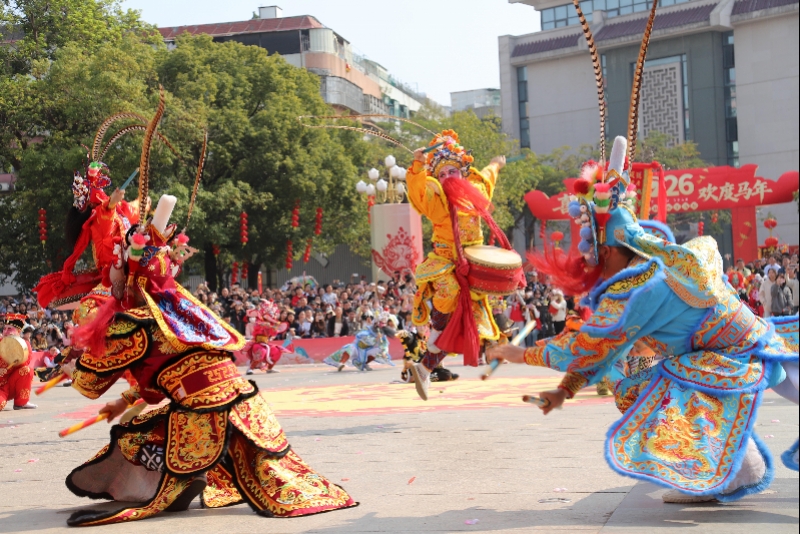
年俗游

Search documents
“史上最长春节假期”收官:5.96亿人次出游,文旅市场热气腾腾
2 1 Shi Ji Jing Ji Bao Dao· 2026-02-24 23:09
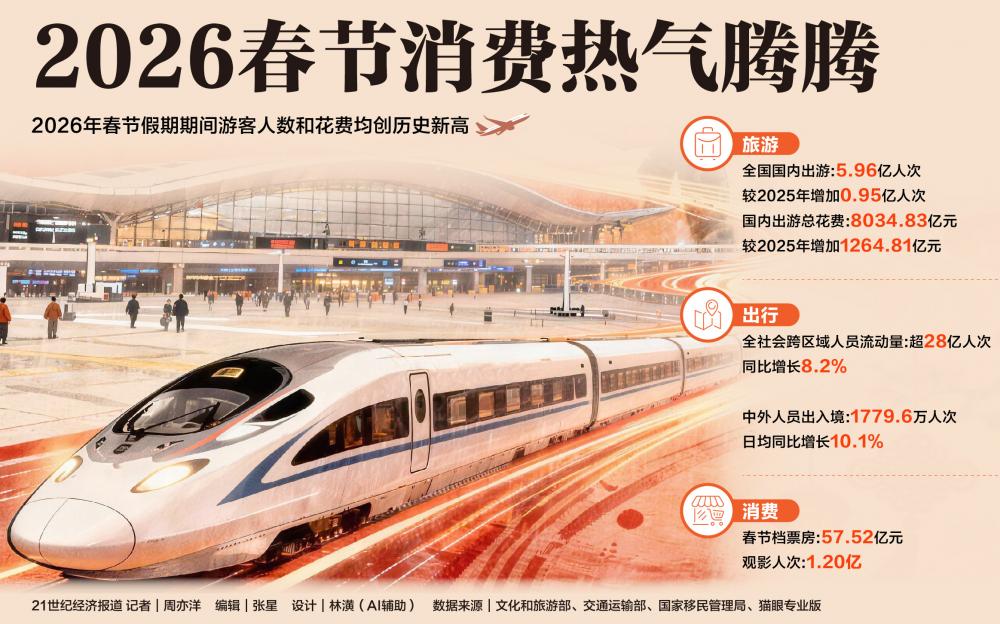
Core Insights - The 2026 Spring Festival holiday saw record-high travel activity, with over 2.8 billion trips taken, averaging 311 million daily, marking an 8.2% year-on-year increase [1] - Domestic tourism reached 596 million trips, with total spending of 803.48 billion yuan, an increase of 126.48 billion yuan compared to the previous year [1] - The trend of "reverse New Year" emerged, where younger generations take their parents on trips instead of traditional family gatherings, with significant increases in travel and accommodation bookings for older travelers [8][9] Group 1: Domestic Travel Trends - The Spring Festival holiday was characterized by a surge in traditional cultural tourism, with cities like Shantou and Fuzhou leading in popularity due to rich local customs [3] - Hotel bookings in popular destinations like Shantou increased by over 80%, driven by immersive cultural experiences [3] - Smaller cities with unique cultural offerings, such as Xingtai and Yongzhou, saw significant increases in flight bookings, with some destinations experiencing over 100% growth [4] Group 2: Reverse New Year Trend - The "reverse New Year" trend gained traction, with 18% of travelers flying to Beijing being over 50 years old, and a 20% increase in first-time flyers among those aged 60 and above [8][9] - Young travelers increasingly booked high-star hotels for their parents, leading to a 56% increase in hotel stays for seniors during the holiday [9] - Car rental orders surged by 52%, with SUVs being the most popular choice for family travel [9] Group 3: International Travel Dynamics - The Spring Festival holiday also saw a revival in international travel, with daily inbound and outbound travelers exceeding 1.97 million, a 10.1% increase from the previous year [10] - Thailand regained its position as the top outbound destination for Chinese tourists, with significant growth in travel to Southeast Asia and other long-haul destinations [10][11] - The influx of foreign tourists to China increased, with a 20% rise in domestic flight bookings by non-Chinese passport holders, covering 107 cities [12]

(经济观察)中国旅游市场马年“开门红”
Zhong Guo Xin Wen Wang· 2026-02-24 13:15
Group 1 - The Chinese tourism market experienced a significant boost during the longest Spring Festival holiday, with 596 million domestic trips and total spending of 803.48 billion yuan, both reaching historical highs [1] - Traditional cultural experiences and new AI-driven consumption trends played a crucial role in enhancing the holiday tourism market, with many regions organizing unique activities to attract visitors [1] - Guangdong's tourism strategy, themed "Come to Guangdong for the New Year," emphasized a blend of intangible cultural heritage and modern experiences, leading to over 80% year-on-year growth in hotel bookings in popular destinations like Shantou [1] Group 2 - Fuzhou launched a New Year cultural tourism month with over 1,800 events, while Jiangxi and Fujian saw significant increases in tourism orders due to the popularity of intangible cultural heritage, with growth rates of 48% and 12% respectively [2] - Hainan's tourism market thrived during the holiday, receiving 12.32 million visitors and achieving total spending of 18.37 billion yuan, marking increases of 28.9% and 30.7% compared to the previous year [2] - AI technology emerged as a new trend in travel consumption, with a reported 800% increase in AI order volume on the Fliggy platform during the holiday, particularly in ticket booking services which saw a 24-fold increase [2] Group 3 - The extended holiday also stimulated outbound travel demand, with short-haul destinations like South Korea, Singapore, and Malaysia being popular, while long-haul travel to countries like Italy and Spain saw notable growth compared to last year [3]
今年春节假期文旅消费有何亮点?马上盘一盘
Yang Shi Xin Wen Ke Hu Duan· 2026-02-24 02:15
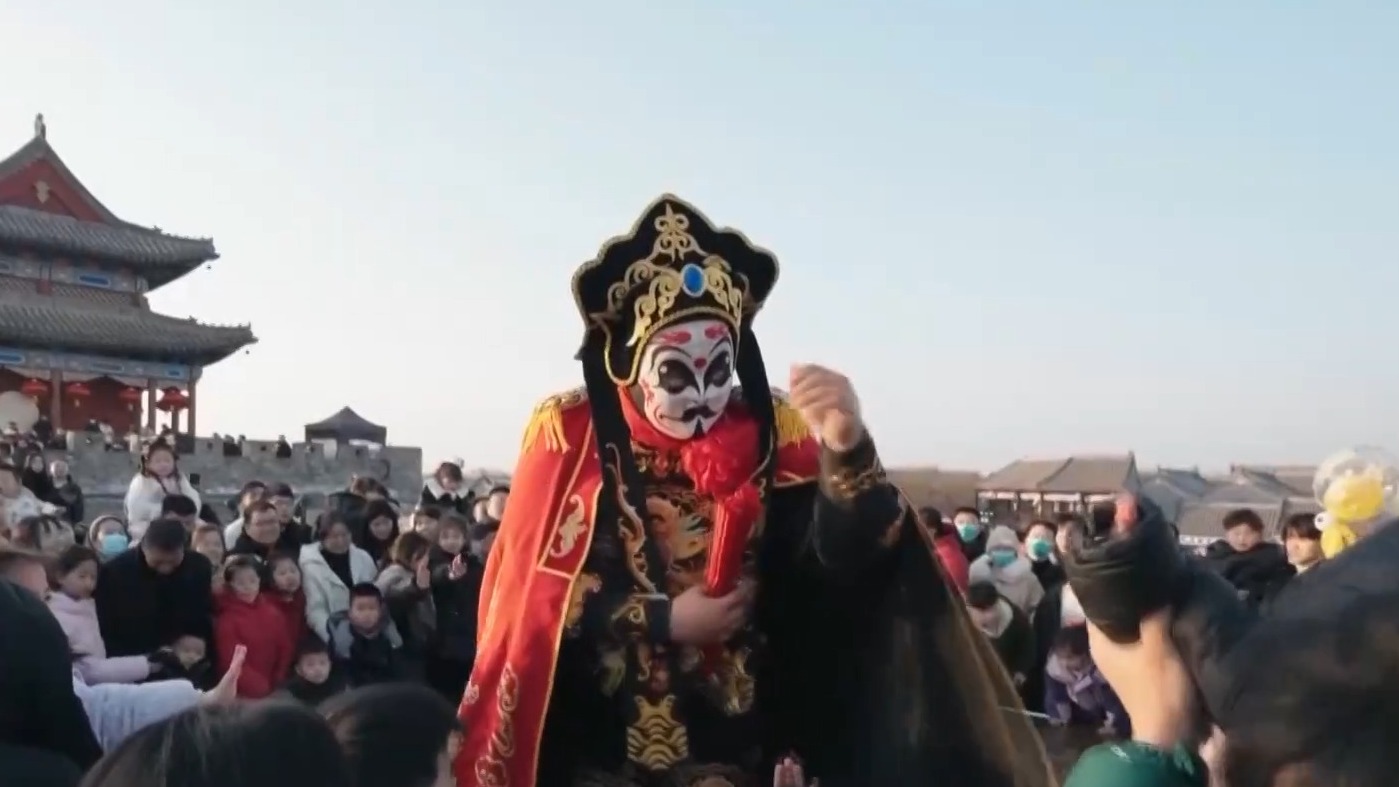
Core Insights - The Spring Festival holiday has seen a significant increase in experiential tourism, with a focus on intangible cultural heritage and traditional customs, reflecting a strong demand for cultural experiences during the holiday season [1][2][4] Group 1: Cultural Tourism Trends - Various regions have integrated intangible cultural heritage and traditional customs into their activities, creating a festive atmosphere that enhances the cultural experience of the Spring Festival [2] - In Shanxi, local events such as stilt walking and traditional performances have been organized to celebrate the New Year, showcasing the region's cultural richness [2] - In Henan, visitors enjoyed traditional performances like Sichuan opera and dragon dances, emphasizing the importance of cultural heritage during the holiday [4] Group 2: Travel Patterns and Destinations - The nine-day holiday, combined with improved transportation, has led to a rise in medium to long-distance travel, with family reunions and tourism becoming popular trends [6] - Popular destinations include Yunnan, Hainan, and Heilongjiang, driven by winter tourism and the desire to escape the cold [6] - The integration of film locations into tourism has boosted markets in places like Sichuan and Shenzhen, highlighting the impact of cross-industry collaboration on cultural tourism [6] Group 3: Public Services and Visitor Experience - Local governments have innovated public service measures to enhance visitor experiences, transitioning from reactive to proactive service models [6] - Initiatives such as free public transport in Fuzhou and advanced charging facilities in service areas have improved accessibility and convenience for tourists [6] Group 4: Inbound Tourism Growth - The expansion of visa-free travel has attracted more foreign tourists to celebrate the Spring Festival in China, with major cities like Shanghai and Beijing being popular destinations [7][8] - In Shanghai, traditional performances and cultural activities have provided foreign visitors with an immersive experience of Chinese New Year celebrations [7] - In Xi'an, tourists have engaged with historical sites and traditional crafts, benefiting from convenient payment methods and rich cultural offerings [8]
视频丨今年春节假期文旅消费有何亮点?马上盘一盘
Yang Shi Xin Wen Ke Hu Duan· 2026-02-24 02:01
Core Insights - The Spring Festival holiday has seen a significant increase in experiential tourism, with activities such as intangible cultural heritage tours, traditional customs, and local fairs becoming popular among tourists [1][2] Group 1: Cultural Tourism Trends - The integration of intangible cultural heritage and traditional customs has created a vibrant atmosphere during the Spring Festival, enhancing the cultural experience for visitors [2] - Various regions have organized activities that showcase local traditions, such as performances in Shanxi and Henan, which have attracted many tourists seeking to experience the festive spirit [2] Group 2: Travel Patterns and Destinations - The nine-day holiday has led to a rise in medium to long-distance travel, with families combining visiting relatives with tourism, and new travel patterns such as staggered travel becoming popular [3] - Popular destinations include Yunnan, Hainan, and Heilongjiang, driven by winter tourism and the appeal of scenic locations [3] Group 3: Public Service Innovations - Local governments have improved public services to enhance tourist experiences, transitioning from reactive to proactive service models, such as free public transport in Fuzhou and advanced charging facilities for electric vehicles [3] Group 4: Inbound Tourism Growth - The expansion of China's visa-free travel options has led to an increase in foreign tourists celebrating the Spring Festival in China, with major cities like Shanghai and Beijing being popular destinations [4][5] - Tourists are engaging in immersive cultural experiences, such as traditional performances and local customs, which enrich their understanding of Chinese New Year celebrations [4][5]
“史上最长春节假期”收官 哪些文旅数据值得说道?
2 1 Shi Ji Jing Ji Bao Dao· 2026-02-23 23:45
Core Insights - The Spring Festival holiday saw record travel numbers, with national railways sending approximately 120 million passengers and civil aviation exceeding 20 million passengers during the nine-day period [1][3][12] - Domestic tourism orders reached new highs, with ticket orders increasing over 80% and hotel night bookings rising by 75% compared to the previous year [1][6] - The trend of "reverse New Year" emerged, where younger generations are taking their parents on trips, leading to a significant increase in travel among older demographics [9][10] Domestic Travel Trends - The Spring Festival holiday resulted in a surge in domestic travel, with popular destinations including Shantou, Fuzhou, and Beijing, and a notable increase in hotel bookings in smaller cities [7][8] - Traditional cultural experiences were a major draw for tourists, with Guangdong and Fujian provinces hosting various New Year activities that attracted significant visitor numbers [6][7] - The demand for ice and snow tourism also rose sharply, with orders for skiing experiences increasing over 200% compared to last year [8] Inbound and Outbound Tourism - Inbound tourism saw a notable increase, with foreign visitors booking domestic flights in China rising by 20% during the Spring Festival [2][14] - Outbound tourism was also robust, with Thailand regaining its position as the top destination for Chinese travelers, and significant growth in travel to countries like Italy due to the Winter Olympics [12][13] - The overall travel volume for inbound and outbound tourism is expected to exceed 205 million passengers, marking a 14.1% increase from the previous year [12] Transportation Capacity and Performance - National railways prepared for peak return travel by adding thousands of extra trains, with a total of 12.045 million passengers expected over the nine-day period [3][4] - Major airports like Guangzhou Baiyun and Shanghai Pudong reported record daily passenger numbers, with significant year-on-year growth in traffic [5] - The overall performance of civil aviation saw a 3.1% increase in flight operations compared to the previous year [4]
广东年俗游火爆:潮汕英歌舞吸睛,汕头领跑“黑马”目的地
Nan Fang Du Shi Bao· 2026-02-23 14:38
Group 1 - The core theme of the Spring Festival tourism market this year is the revival of traditional customs, with domestic travel orders reaching new highs [1][3] - Guangdong province, particularly Shantou, has emerged as a leading destination for traditional cultural experiences, with hotel bookings increasing over 80% year-on-year [3][4] - The popularity of traditional activities such as the "Yingge" dance and various local celebrations has significantly attracted tourists to Shantou and other cities in Guangdong [3][4] Group 2 - Nationwide, various regions are showcasing their unique cultural experiences, with Fuzhou hosting over 1,800 events during the Spring Festival [6] - Hainan has seen a surge in tourism, with hotel bookings increasing by over 70%, making it a top destination for island tourism during the holiday [6] - County-level tourism has also gained popularity, with places like Huangshan and Yangshuo experiencing hotel booking increases of over 400% [6] Group 3 - The demand for ice and snow tourism has surged, with indoor ski resorts becoming popular, and overall ice and snow travel orders increasing by over 200% [8][9] - The Milan Winter Olympics have further fueled interest in ice tourism, with hotel bookings in Italian cities like Milan and Venice seeing increases of over 200% [9][10] - Long-distance outbound travel has also seen significant growth, with destinations like Italy and Spain leading in popularity during the Spring Festival [10] Group 4 - Inbound tourism has experienced a remarkable increase, with flight ticket orders for inbound travel rising nearly tenfold during the Spring Festival [4][11] - Major cities such as Shanghai, Guangzhou, and Beijing have become preferred entry points for foreign tourists visiting China [4][11] - The growing interest from international visitors in experiencing Chinese New Year celebrations highlights the appeal of traditional culture [11]