顶市酥

Search documents
状元城里喜气盈
Xin Lang Cai Jing· 2026-02-15 22:17
Group 1 - The "Zhuangyuan City New Spring Market" event in Huangshan, Anhui Province, commenced on February 5, featuring a vibrant atmosphere with traditional decorations and local delicacies [1] - The market showcased various local specialties, including "Baolu Song," Wucheng rice wine, and Huizhou New Year gift boxes, attracting many visitors eager to experience the festive offerings [1] - The event included over 30 stalls in the "Xiu Ning Flavor" specialty area, providing a wide range of local snacks and products, enhancing the festive shopping experience for attendees [1] Group 2 - The cultural experience at the market featured interactive areas with traditional crafts, such as Huizhou three carvings, and activities like spring couplet writing, engaging visitors in local heritage [2] - The event also offered various community services, including car displays, real estate consultations, and job matching, creating a comprehensive one-stop experience for attendees [2] - A series of promotional activities titled "Hui Dong Consumption: Fortune is Coming" will run from February 2 to March 9, providing consumption vouchers to stimulate economic activity and enhance the festive market [2]
歙县富堨镇:年味浓时情亦浓,敬老院里暖如春
Xin Lang Cai Jing· 2026-02-14 09:17
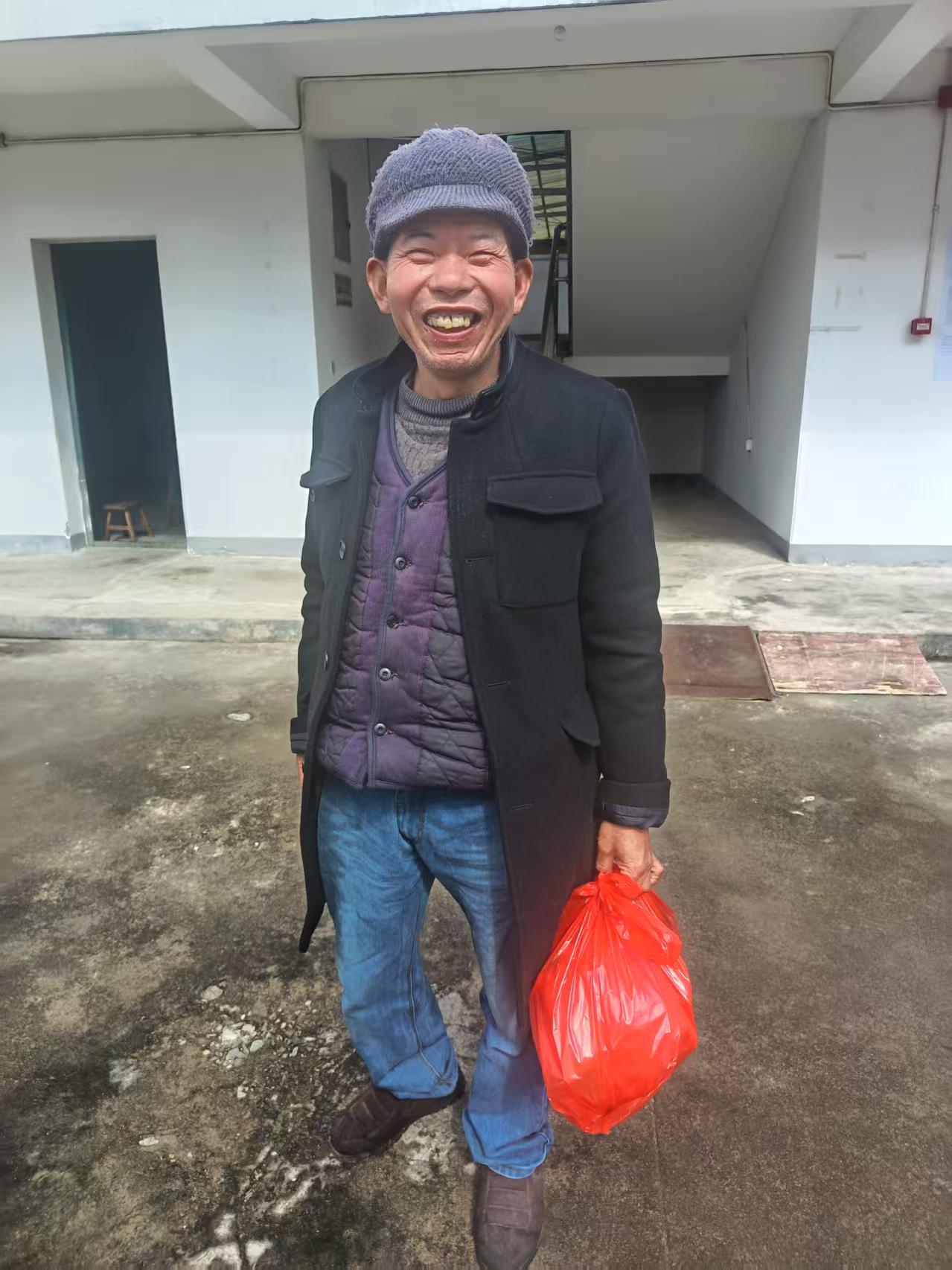
Group 1 - The core idea of the article is the "New Year Warmth Delivery" event organized by the staff of the elderly care home in Huizhou County to ensure that the elderly have a warm and peaceful Spring Festival [1][5]. Group 2 - The event included the distribution of carefully prepared traditional snacks such as peach crisp and small cakes, catering to the dietary needs of the elderly [5]. - The atmosphere during the event was warm and cheerful, with staff actively engaging with the elderly, sharing food, and having conversations, which brought smiles to their faces [5]. - The initiative not only provided material support but also offered emotional comfort, enhancing the festive spirit and human connection within the elderly care home [5].

舌尖上的徽州年味
Xin Lang Cai Jing· 2026-02-09 05:10
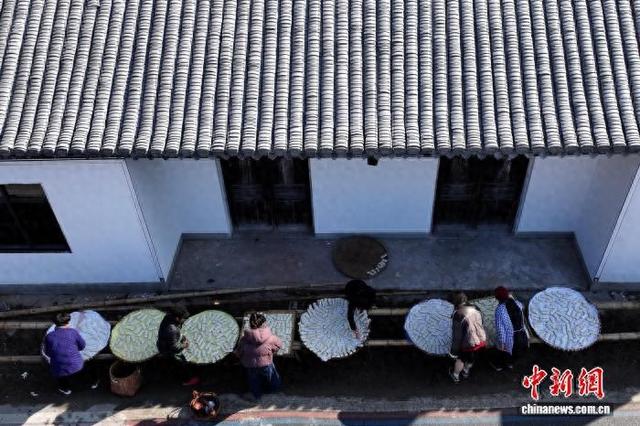
Core Viewpoint - The article highlights the rich culinary traditions and cultural significance of the New Year celebrations in Huizhou, emphasizing the importance of various traditional foods that symbolize good fortune and family unity. Group 1: Traditional Foods - The preparation of rice cakes, known as "米粿," is a vital part of Huizhou's New Year celebrations, symbolizing the wish for abundance and prosperity [4] - The production of cured meats, particularly Huizhou-style sausages, is a cherished winter tradition, representing the essence of the season and the anticipation of the New Year [6] - "腊八豆腐," a unique tofu made during the Laba Festival, is a local delicacy that showcases the region's culinary creativity and is often served as a festive dish [7] Group 2: Symbolism and Cultural Significance - The "一品锅," a traditional dish served on New Year's Eve, embodies the spirit of hospitality and the hope for a prosperous year ahead, with its ingredients symbolizing wealth and completeness [10] - The sweet treats, such as "冻米糖" and "顶市酥," play a significant role in the festive atmosphere, representing joy and the sharing of good wishes among families and friends [14][16] - "中和汤," a soup that reflects the philosophy of harmony and togetherness, is a staple in New Year feasts, symbolizing the warmth of home and family bonds [20] Group 3: Community and Tradition - The article emphasizes the communal aspect of food preparation, where neighbors collaborate in making traditional dishes, reinforcing social ties and shared cultural heritage [4][6] - The various dishes and their preparation methods are not only culinary practices but also a means of passing down family traditions and values through generations [20]
(走进中国乡村)皖南乡村里的“年味合伙人”
Xin Lang Cai Jing· 2026-01-11 11:01
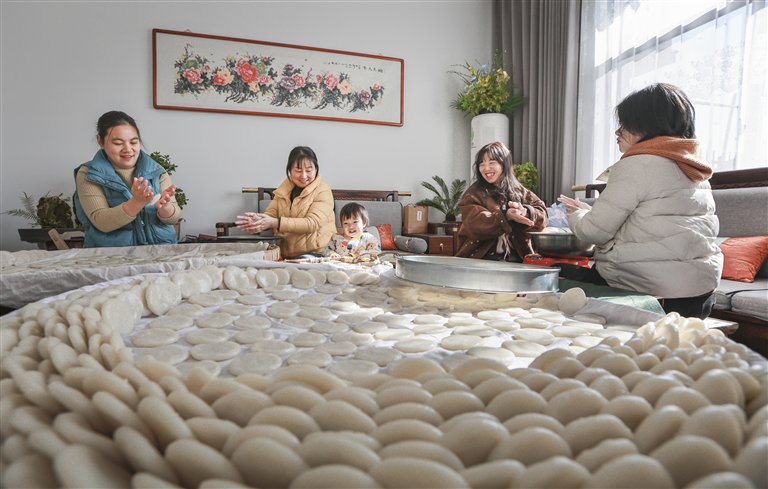
Core Viewpoint - The article highlights the cultural significance and community involvement in traditional food production during the Chinese New Year in Jingde County, Anhui Province, showcasing local businesses and their efforts to preserve culinary heritage [1][3][5]. Group 1: Traditional Food Production - The production of traditional snacks like "Dingshi Su" (top city crisp) and rice cakes is a vital part of the local culture, especially during the Spring Festival [1][5]. - Local businesses, such as the food factory run by Sun Xinping and his wife, are experiencing high demand, with nearly 2,000 orders recently received for their products, indicating a strong market for traditional foods [5][7]. - The rice cake workshop in Zhu Wang Village operates only for seven days each year, emphasizing the seasonal nature of this traditional food and its cultural importance [3][5]. Group 2: Community Engagement - The community actively participates in the food production process, with hundreds of families coming together to make rice cakes, reflecting a strong sense of tradition and collective memory [3][5]. - The practice of making rice cakes is seen as a way to maintain cultural ties, especially for those who have moved away, as they send these traditional foods to family members in other cities [5][7]. - The involvement of younger generations, such as the Belarusian student trying out the candy-making process, indicates a growing interest in traditional Chinese culinary practices among diverse groups [1][7]. Group 3: Cultural Heritage - The traditional techniques of making rice cakes and Dingshi Su have been recognized as intangible cultural heritage, highlighting their importance in preserving local customs [5][7]. - Experts emphasize that the vitality of these customs lies in their practical application and the emotional connections they foster within the community [7]. - The article concludes with a sentiment of sharing these traditional foods with friends, showcasing the desire to spread cultural experiences beyond local boundaries [7].