
苞芦松

Search documents
状元城里喜气盈
Xin Lang Cai Jing· 2026-02-15 22:17
Group 1 - The "Zhuangyuan City New Spring Market" event in Huangshan, Anhui Province, commenced on February 5, featuring a vibrant atmosphere with traditional decorations and local delicacies [1] - The market showcased various local specialties, including "Baolu Song," Wucheng rice wine, and Huizhou New Year gift boxes, attracting many visitors eager to experience the festive offerings [1] - The event included over 30 stalls in the "Xiu Ning Flavor" specialty area, providing a wide range of local snacks and products, enhancing the festive shopping experience for attendees [1] Group 2 - The cultural experience at the market featured interactive areas with traditional crafts, such as Huizhou three carvings, and activities like spring couplet writing, engaging visitors in local heritage [2] - The event also offered various community services, including car displays, real estate consultations, and job matching, creating a comprehensive one-stop experience for attendees [2] - A series of promotional activities titled "Hui Dong Consumption: Fortune is Coming" will run from February 2 to March 9, providing consumption vouchers to stimulate economic activity and enhance the festive market [2]
舌尖上的徽州年味
Xin Lang Cai Jing· 2026-02-09 05:10
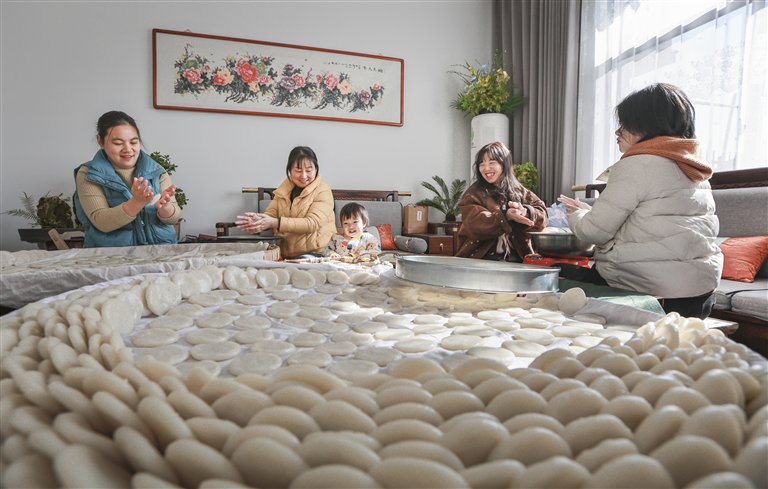
Core Viewpoint - The article highlights the rich culinary traditions and cultural significance of the New Year celebrations in Huizhou, emphasizing the importance of various traditional foods that symbolize good fortune and family unity. Group 1: Traditional Foods - The preparation of rice cakes, known as "米粿," is a vital part of Huizhou's New Year celebrations, symbolizing the wish for abundance and prosperity [4] - The production of cured meats, particularly Huizhou-style sausages, is a cherished winter tradition, representing the essence of the season and the anticipation of the New Year [6] - "腊八豆腐," a unique tofu made during the Laba Festival, is a local delicacy that showcases the region's culinary creativity and is often served as a festive dish [7] Group 2: Symbolism and Cultural Significance - The "一品锅," a traditional dish served on New Year's Eve, embodies the spirit of hospitality and the hope for a prosperous year ahead, with its ingredients symbolizing wealth and completeness [10] - The sweet treats, such as "冻米糖" and "顶市酥," play a significant role in the festive atmosphere, representing joy and the sharing of good wishes among families and friends [14][16] - "中和汤," a soup that reflects the philosophy of harmony and togetherness, is a staple in New Year feasts, symbolizing the warmth of home and family bonds [20] Group 3: Community and Tradition - The article emphasizes the communal aspect of food preparation, where neighbors collaborate in making traditional dishes, reinforcing social ties and shared cultural heritage [4][6] - The various dishes and their preparation methods are not only culinary practices but also a means of passing down family traditions and values through generations [20]

多地年货大集开市 烟火升腾年味十足
Yang Guang Wang· 2026-02-06 04:57
Core Insights - The article highlights the vibrant atmosphere of traditional New Year markets across various regions in China, showcasing a wide array of festive goods and local specialties as people prepare for the upcoming celebrations [1][3]. Group 1: Market Atmosphere - The New Year markets are bustling with activity, featuring colorful decorations and a variety of products such as spring couplets, dried fruits, and local fish, creating a festive environment [1]. - In Jiamusi, Heilongjiang, the market is described as lively, with consumers carrying numerous bags filled with goods, indicating strong consumer engagement [2][1]. Group 2: Consumer Behavior - Consumers are actively participating in the markets, with reports of people enjoying the atmosphere and purchasing both traditional and creative products as gifts for relatives and friends [4][3]. - The presence of new spring consumption vouchers at the markets is noted to further stimulate consumer enthusiasm and spending [4]. Group 3: Market Management and Trends - Market management in Beidaihe District, Qinhuangdao, emphasizes the shift in consumer behavior, where urban residents are now visiting rural markets for their New Year shopping, reflecting a change in shopping patterns [6]. - The management aims to enhance the consumer experience while preserving traditional market features, catering to diverse consumer needs [6].