米粿

Search documents
舌尖上的徽州年味
Xin Lang Cai Jing· 2026-02-09 05:10
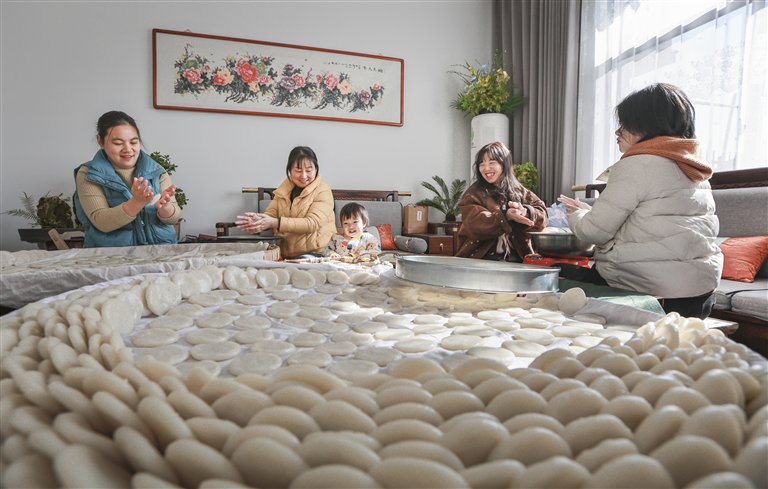
Core Viewpoint - The article highlights the rich culinary traditions and cultural significance of the New Year celebrations in Huizhou, emphasizing the importance of various traditional foods that symbolize good fortune and family unity. Group 1: Traditional Foods - The preparation of rice cakes, known as "米粿," is a vital part of Huizhou's New Year celebrations, symbolizing the wish for abundance and prosperity [4] - The production of cured meats, particularly Huizhou-style sausages, is a cherished winter tradition, representing the essence of the season and the anticipation of the New Year [6] - "腊八豆腐," a unique tofu made during the Laba Festival, is a local delicacy that showcases the region's culinary creativity and is often served as a festive dish [7] Group 2: Symbolism and Cultural Significance - The "一品锅," a traditional dish served on New Year's Eve, embodies the spirit of hospitality and the hope for a prosperous year ahead, with its ingredients symbolizing wealth and completeness [10] - The sweet treats, such as "冻米糖" and "顶市酥," play a significant role in the festive atmosphere, representing joy and the sharing of good wishes among families and friends [14][16] - "中和汤," a soup that reflects the philosophy of harmony and togetherness, is a staple in New Year feasts, symbolizing the warmth of home and family bonds [20] Group 3: Community and Tradition - The article emphasizes the communal aspect of food preparation, where neighbors collaborate in making traditional dishes, reinforcing social ties and shared cultural heritage [4][6] - The various dishes and their preparation methods are not only culinary practices but also a means of passing down family traditions and values through generations [20]

蕴含气候预警与养生之道 解锁民谚中的科学密码
Xin Lang Cai Jing· 2026-01-20 06:32
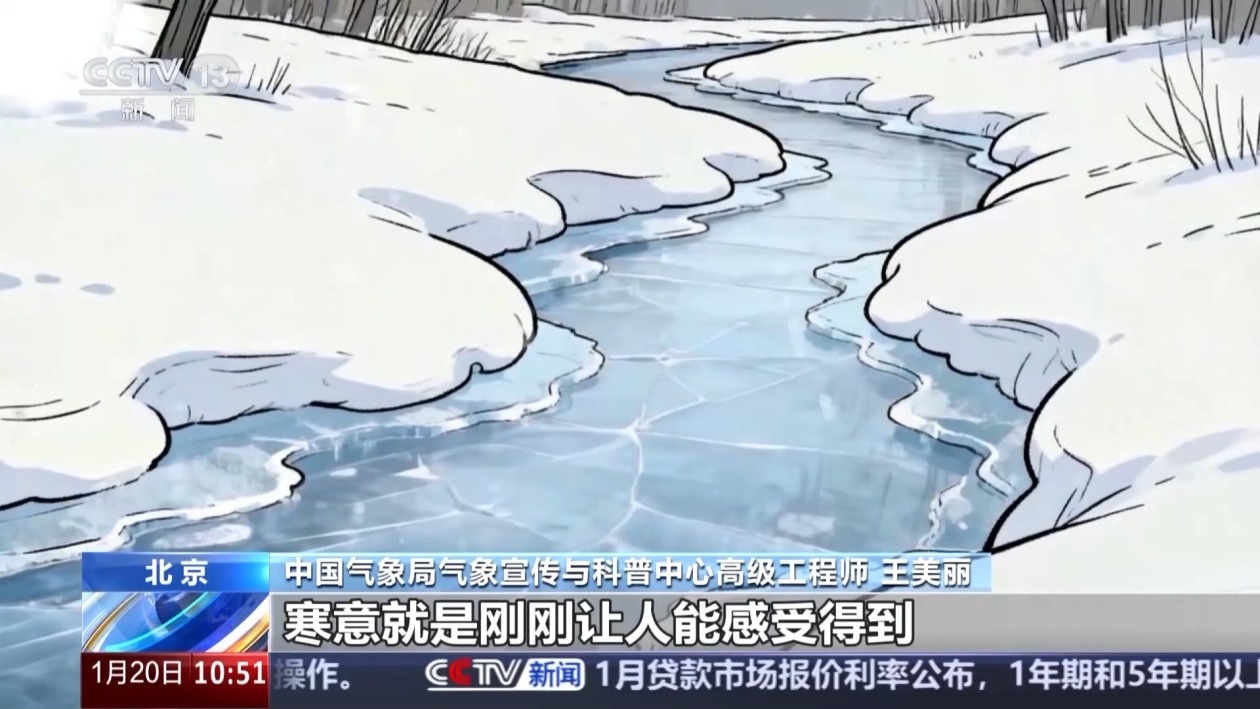
Core Viewpoint - The article discusses the significance of the "Great Cold" solar term in Chinese culture, emphasizing ancient wisdom related to climate and agriculture, and its relevance in today's context of climate change. Group 1: Ancient Wisdom and Climate Observations - The phrase "Great Cold reaches its peak, and thereafter warmth will be seen" reflects ancient insights into astronomical patterns and climate changes, indicating the anticipation of spring despite the cold [1][5] - Ancient definitions of the "Great Cold" were based on observations of ice thickness and hardness, which served as indicators of the season's severity [3] - The term "reverse extreme" in "Great Cold" suggests not only the peak of cold but also an impending transition to warmth, as the sun's direct rays move northward, leading to longer days and rising temperatures [5] Group 2: Climate Anomalies and Agricultural Implications - The saying "Great Cold is not cold, people and horses are uneasy" implies that unseasonably warm temperatures during this period could threaten health and agricultural productivity [7][9] - Data indicates that for every 1°C increase in temperature during the Great Cold, the incidence of pests and diseases in spring crops can rise by 15% to 20%, highlighting the importance of seasonal temperature norms for agricultural success [7] - Anomalies in atmospheric circulation during the Great Cold can lead to unpredictable weather patterns, increasing the likelihood of late cold snaps that can adversely affect agriculture and health [9] Group 3: Cultural Practices and Dietary Wisdom - The saying "Great Cold eats glutinous rice, farmers have no worries" reflects the ancient practice of adjusting diet according to seasonal changes, promoting health and agricultural prosperity [10][14] - In regions like Zhejiang, traditional practices involve making rice cakes with seasonal ingredients, symbolizing abundance and food security [12] - Glutinous rice is recognized for its warming properties, aligning with the body's needs during winter, and serves as a source of sustained energy in cold weather [14][16] - The concept of "food as medicine" is embodied in the saying, emphasizing the importance of seasonal eating to maintain health, which remains relevant today [17]
漳州古城打造“非遗大观园”
Ren Min Ri Bao Hai Wai Ban· 2025-12-26 03:16
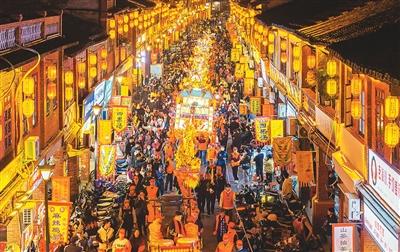
Core Viewpoint - The immersive cultural performances in Zhangzhou Ancient City, particularly the traditional Minnan opera, have successfully attracted both domestic and international tourists, enhancing the experience of intangible cultural heritage through interactive and engaging activities [2][3][4] Group 1: Cultural Engagement - The event "Xiyou Minnan" in Zhangzhou Ancient City has drawn numerous tourists, including international students, who express excitement and appreciation for traditional performances like Minnan opera despite language barriers [2] - Local residents actively participate in regular performances, indicating a strong community engagement with traditional arts, which cater to both older and younger generations [2] - The integration of intangible cultural heritage into daily life has transformed the ancient city into a vibrant cultural hub, where every visitor becomes an active participant [2] Group 2: Innovative Experience - Zhangzhou Ancient City has created a series of themed corridors that incorporate local intangible cultural heritage elements, enhancing the immersive experience for visitors [3] - The "Intangible Cultural Heritage Street" allows tourists to engage in hands-on activities, such as making traditional ink, which personalizes their cultural experience [3] - Creative cultural products, such as playful representations of traditional foods, have made intangible heritage more accessible and appealing to younger audiences [3] Group 3: Transformation of Heritage Presentation - The transition from static displays of intangible cultural heritage to dynamic, interactive experiences marks a significant evolution in how cultural heritage is presented in Zhangzhou Ancient City [4] - The combination of live performances, immersive environments, and hands-on activities creates a comprehensive cultural experience that resonates with visitors [4]