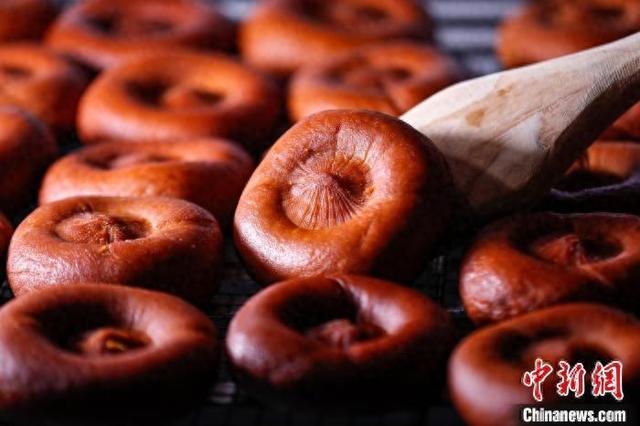
腊八豆腐

Search documents
舌尖上的徽州年味
Xin Lang Cai Jing· 2026-02-09 05:10
Core Viewpoint - The article highlights the rich culinary traditions and cultural significance of the New Year celebrations in Huizhou, emphasizing the importance of various traditional foods that symbolize good fortune and family unity. Group 1: Traditional Foods - The preparation of rice cakes, known as "米粿," is a vital part of Huizhou's New Year celebrations, symbolizing the wish for abundance and prosperity [4] - The production of cured meats, particularly Huizhou-style sausages, is a cherished winter tradition, representing the essence of the season and the anticipation of the New Year [6] - "腊八豆腐," a unique tofu made during the Laba Festival, is a local delicacy that showcases the region's culinary creativity and is often served as a festive dish [7] Group 2: Symbolism and Cultural Significance - The "一品锅," a traditional dish served on New Year's Eve, embodies the spirit of hospitality and the hope for a prosperous year ahead, with its ingredients symbolizing wealth and completeness [10] - The sweet treats, such as "冻米糖" and "顶市酥," play a significant role in the festive atmosphere, representing joy and the sharing of good wishes among families and friends [14][16] - "中和汤," a soup that reflects the philosophy of harmony and togetherness, is a staple in New Year feasts, symbolizing the warmth of home and family bonds [20] Group 3: Community and Tradition - The article emphasizes the communal aspect of food preparation, where neighbors collaborate in making traditional dishes, reinforcing social ties and shared cultural heritage [4][6] - The various dishes and their preparation methods are not only culinary practices but also a means of passing down family traditions and values through generations [20]

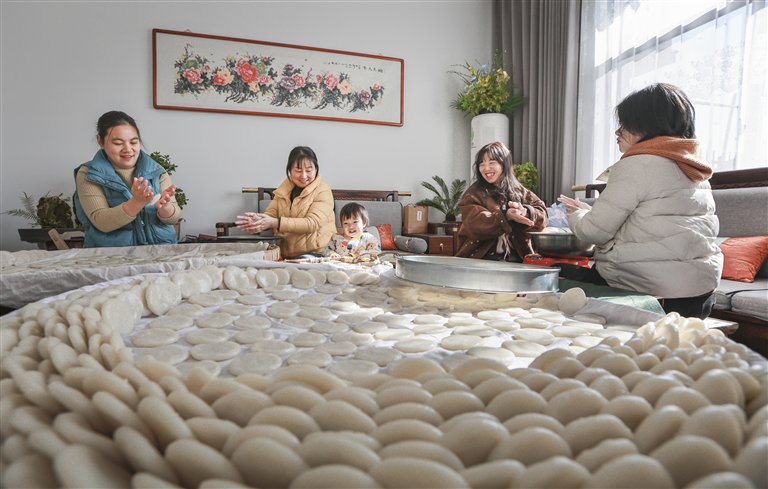
今日腊八,要做这些事!
Xin Hua Wang· 2026-01-26 11:07
Group 1 - The core cultural significance of the Laba Festival is highlighted, marking the anticipation of the New Year and the unique traditions associated with this day [5][26] - The Laba Festival, also known as "Laba," has its origins in ancient sacrificial rituals, where people would offer sacrifices to ancestors and pray for a good harvest and family safety [5][26] - The festival is celebrated on the 8th day of the 12th lunar month, which is fixed as Laba Day, and it has evolved over time from its initial variable date [5][26] Group 2 - A key tradition of the Laba Festival is the preparation and consumption of Laba porridge, which includes a variety of grains and nuts, symbolizing good fortune and health [7][12] - The ingredients of Laba porridge vary by region, with some areas preferring sweet versions while others opt for savory or spicy variations, showcasing the diversity of Chinese culinary culture [11][12] - The cooking process of Laba porridge is a communal activity that reflects the warmth of family and the joy of the season, emphasizing the importance of home and tradition [8][12] Group 3 - In addition to Laba porridge, various other food customs are associated with the festival, such as pickling Laba garlic and making Laba noodles, each with its own regional twist [15][20] - The festival serves as a precursor to the Spring Festival, with families beginning preparations for the New Year, including cleaning, decorating, and purchasing festive goods [26][28] - The atmosphere of anticipation for the New Year is palpable, with communities engaging in festive activities and preparations, enhancing the sense of togetherness and celebration [30][33]
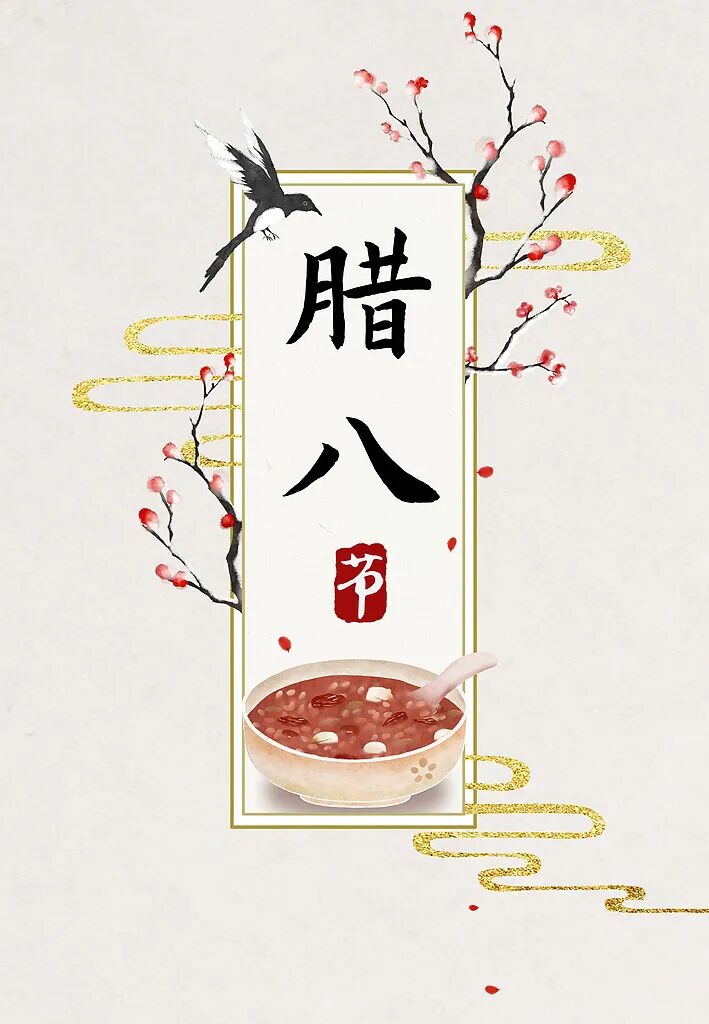
过了腊八就是年!你的家乡腊八有啥习俗?
Yang Shi Xin Wen Ke Hu Duan· 2026-01-26 06:53
Group 1 - The core idea of the article is that the traditional Chinese festival "Laba Festival" marks the beginning of the Chinese New Year preparations, with increasing festive atmosphere as the holiday approaches [1][3][16] - Laba Festival is celebrated with the consumption of Laba porridge, which is made from various ingredients such as red dates, peanuts, longan, lotus seeds, walnuts, glutinous rice, and various beans [4][3] - In different regions of China, there are unique customs associated with Laba Festival, such as soaking "Laba garlic" in the North, making "Laba tofu" in Anhui, and cleaning houses in Shandong to welcome the New Year [7][9][11] Group 2 - The article emphasizes the importance of Laba Festival as a significant milestone at the end of the year, encouraging people to take a moment to appreciate life and prepare for the upcoming year [16]
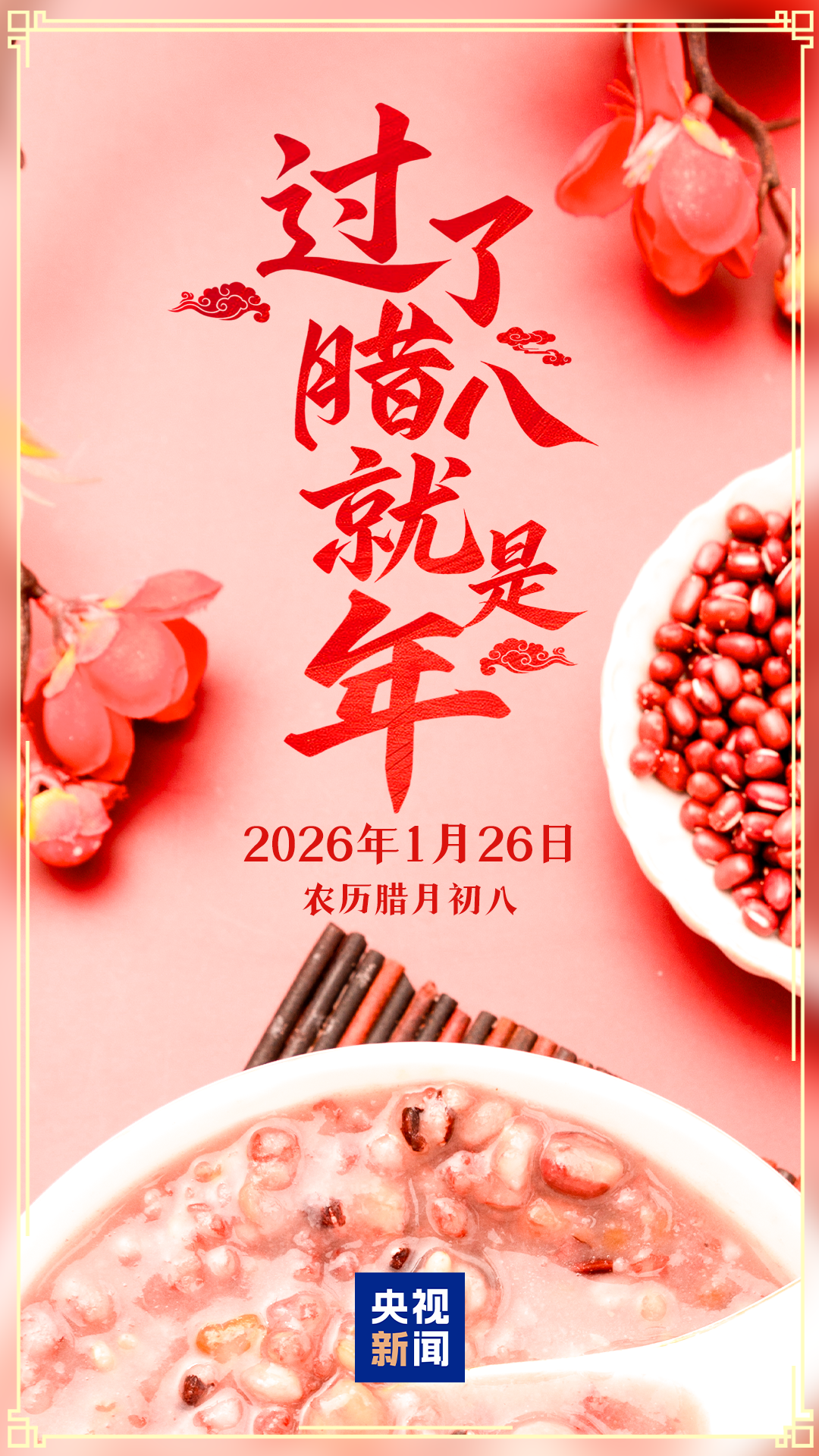
粥香浓、情意暖、年味浓 腊八遇上“开年节”多彩传统文化迎新春
Yang Shi Wang· 2026-01-26 04:53
Group 1 - The core idea of the article revolves around the celebration of the Laba Festival, which is marked by the preparation and consumption of Laba porridge, symbolizing warmth and the anticipation of the upcoming Spring Festival [1][3][13] - Laba porridge is made from a variety of grains and ingredients, reflecting the agricultural diversity of China, and is seen as a representation of a bountiful harvest and good fortune for the coming year [5][19][34] - The festival includes various local customs, such as the preparation of Laba garlic in northern regions and the sharing of Laba meals, which emphasize community and togetherness [7][9][36] Group 2 - In different regions, the preparation of Laba porridge involves local ingredients, showcasing regional culinary traditions, such as the use of medicinal herbs and local snacks in Sichuan [17][41] - The Laba Festival also marks the beginning of the New Year celebrations in some areas, with cultural activities like folk performances and market fairs enhancing the festive atmosphere [22][27][36] - In addition to Laba porridge, other traditional foods and activities, such as tofu making and dragon dances, are integral to the celebrations, attracting both locals and tourists [37][39][44]
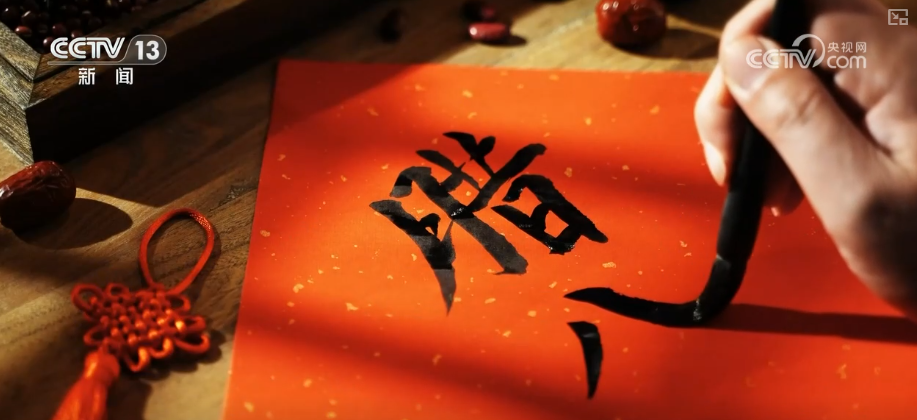
腊八节说“腊”:除了是姓氏,还是多音字
Xin Lang Cai Jing· 2026-01-25 15:08
Group 1 - The term "腊" has rich semantic connotations and is a polyphonic character, with its meaning evolving over time [1][3] - The twelfth month of the lunar calendar is commonly referred to as "腊月" due to significant ritual activities, particularly the "腊祭" which is a year-end sacrificial event [3][4] - The "腊祭" was historically linked to hunting and the offering of game as sacrifices, with its timing fixed on the eighth day of the twelfth lunar month [3][4] Group 2 - The character "腊" has different pronunciations and meanings, with its modern usage primarily associated with year-end rituals and preserved foods [6][7] - The term "腊肉" likely derives from the practice of preserving meats during the year-end, coinciding with the festive season [7] - As the "腊八节" approaches, preparations for the Lunar New Year begin, reflecting a cultural transition from the old year to the new [7]