飞行汽车(eVTOL)

Search documents
上市公司挑大梁 多方合力拼低空经济丨“十五五”开局新气象
证券时报· 2026-02-03 00:16
Core Viewpoint - The low-altitude economy is transitioning from experimental stages to large-scale market applications, with companies actively contributing to the realization of policy blueprints into productive forces [1][2]. Group 1: Infrastructure Development - A drone testing base in Shenzhen, built by Deep City Transportation, has been recognized as a leading case for the low-altitude economy, addressing land use and investment challenges through a dual-driven model of "full-scene testing + commercial operation" [4]. - Guangdian Measurement has established a one-stop testing platform for eVTOLs, providing airworthiness verification services for various components, including batteries and electric engines, and has made significant advancements in cybersecurity testing [4]. - The company has filled industry gaps in low-altitude communication protocol security testing and developed customized testing solutions for various communication technologies [4]. Group 2: Operational Breakthroughs - CITIC Heli has made substantial progress in the Guangdong-Hong Kong-Macao Greater Bay Area by adopting a "cargo first, passenger later" approach, with plans to launch multiple air tourism and urban transport routes by 2025 [7]. - The company completed 474 flights serving 2,137 passengers and successfully executed the first global 2-ton eVTOL logistics mission over 300 kilometers [7]. - Data accumulated from flight operations will enable future enhancements in collaborative flying and route management, establishing a competitive edge for CITIC Heli as a state-owned enterprise [8]. Group 3: Collaborative Ecosystem Building - Companies are actively participating in the formulation of national industry standards and have initiated the establishment of an international low-altitude aircraft testing standards alliance [10]. - The low-altitude economy requires collaboration among government, enterprises, and research institutions to address challenges in airspace management and coordination [10]. - Recommendations include establishing a dynamic airspace allocation mechanism and promoting pilot experiences for collaborative operations between manned and unmanned aircraft [11]. Group 4: Future Outlook - The low-altitude economy is shifting from "policy-driven" to "performance realization," with a need for more scalable application scenarios [12]. - There is a call for increased policy support for high-value application scenarios, including subsidies and tax incentives, to lower operational costs for companies [12]. - Companies are encouraged to accelerate technological development and innovate business models to enhance the feasibility and economic viability of application scenarios, ultimately achieving a commercial closed loop [12].




2026年了,四川市民、游客能坐上“飞行汽车”吗?|开局我来问③
Xin Lang Cai Jing· 2026-01-12 00:26
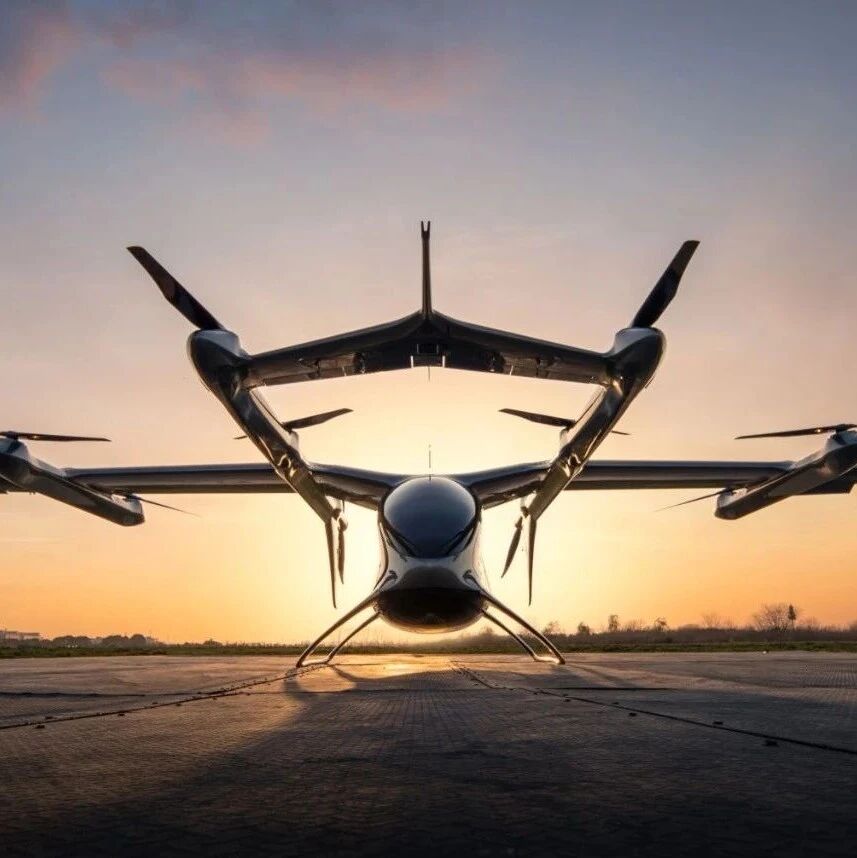
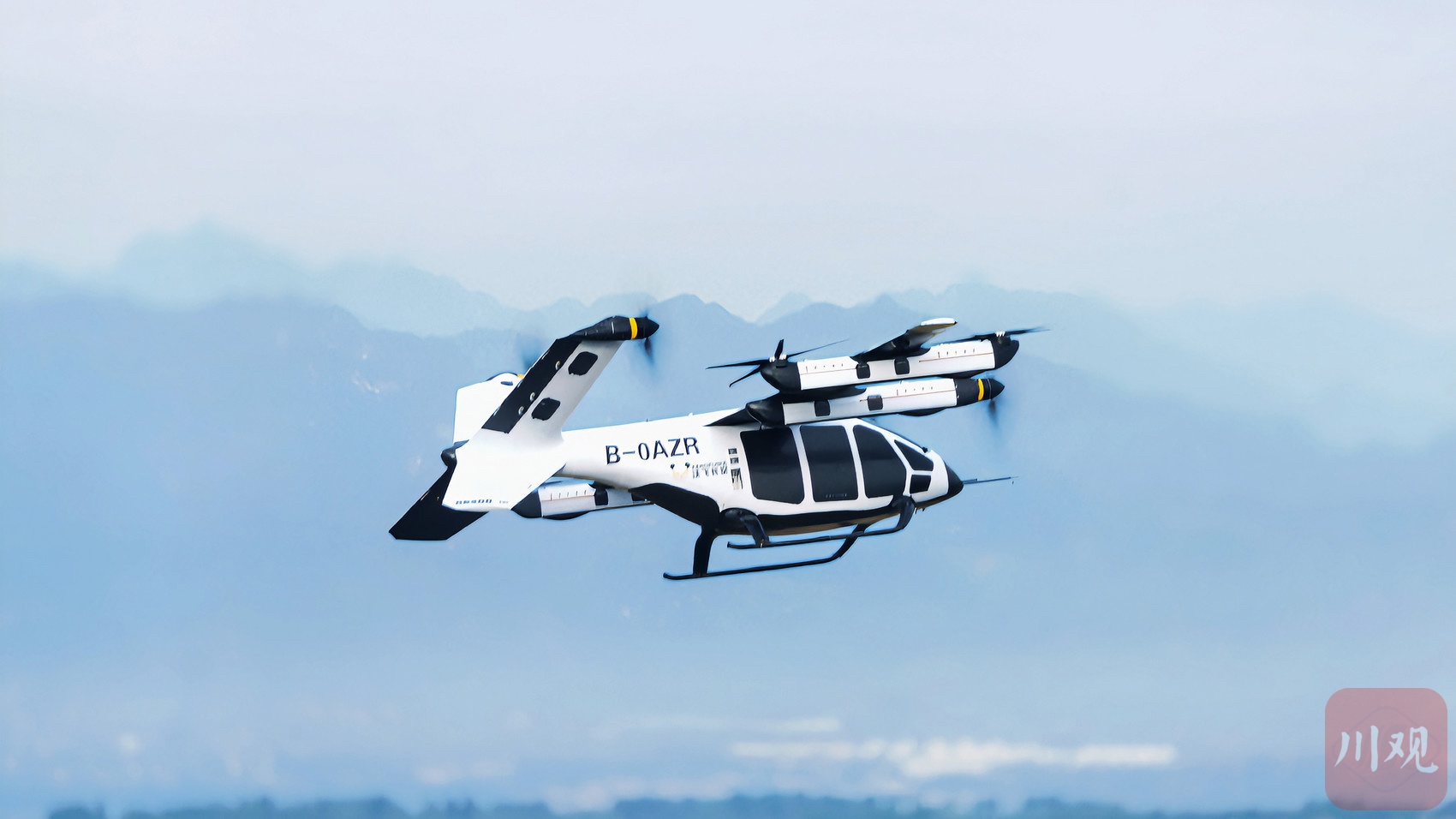
Core Insights - The low-altitude economy is rapidly developing, with eVTOL (electric Vertical Take-Off and Landing) vehicles, commonly referred to as "flying cars," expected to reach a market size in the hundreds of billions [1] - Sichuan WoFei ChangKong Technology Development Co., Ltd. is a leading player in this sector, having launched China's first passenger eVTOL, the AE200-100, and is currently conducting test flights for a low-altitude tourism corridor in Sichuan and Chongqing [1][3] Group 1: eVTOL Development Timeline - Predictions suggest that residents and tourists in Sichuan may be able to ride "flying cars" by 2026 to 2027, initially focusing on experience-based and specific scenario operations rather than daily commuting [3] - The AE200-100 is in the final stages of airworthiness certification, with expectations to become the first passenger eVTOL in commercial operation in China by 2026 to 2027 [8] Group 2: Infrastructure and Accessibility - The convenience of using "flying cars" depends on the availability of infrastructure, including dedicated takeoff and landing points, charging facilities, and maintenance centers [9] - Sichuan is leading in infrastructure development, with two urban low-altitude demonstration public takeoff sites and 35 specialized takeoff points established [11] Group 3: Pricing and Market Dynamics - Initial ticket prices for "flying cars" are expected to be about one-third of helicopter fares and 2-3 times that of ground transportation, with travel times reduced to one-fifth of ground travel [12] - The industry anticipates that as production scales up, costs will decrease significantly, making eVTOLs more accessible to the general public by 2026 [14] Group 4: Broader Industry Implications - Sichuan is also seeing advancements in other high-end low-altitude equipment, with significant exports of UAVs and successful launches of various drone models [15] - The province is committed to supporting the low-altitude economy through strategic policies and collaborative mechanisms, aiming to create a comprehensive industrial cluster that integrates research, manufacturing, and operations [16]
飞得好 用得顺 管得住——低空经济高质量发展观察
Zhong Guo Zhi Liang Xin Wen Wang· 2025-12-25 03:28
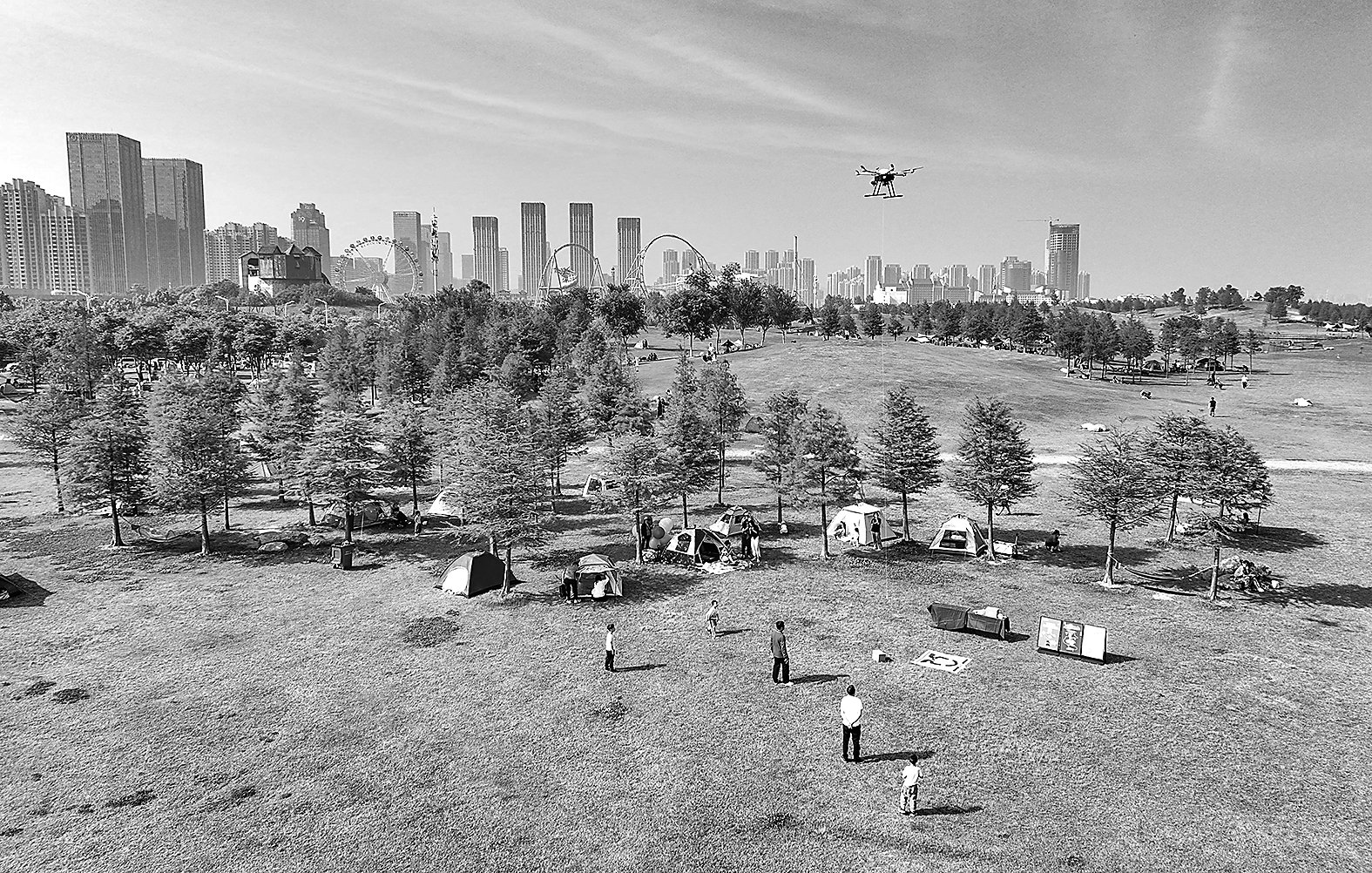
Core Insights - The low-altitude economy is characterized by its integration of low-altitude flight activities, including unmanned aerial vehicles (UAVs) and low-altitude intelligent networks, driving the development of related infrastructure and services, thus contributing to regional economic growth and urban development [1] Group 1: Low-altitude Economy Development - The low-altitude economy in China is rapidly developing under national and local policy guidance, with significant potential for high-quality growth [1] - The market size of China's low-altitude economy is projected to reach 859.17 billion yuan by 2025 and exceed 1 trillion yuan by 2026 [9] - The low-altitude economy is seen as a vital new production force, with applications in various sectors, including logistics, emergency response, and urban governance [7][9] Group 2: Company Insights - Puzhou Technology, established in 2015, is a leading player in the low-altitude economy, focusing on UAV research, production, and operation, and has developed a comprehensive product line [5] - The company has created a "co-build, co-use, co-share" model for smart city governance, deploying 128 automatic drone hangars and 186 drones in Wuhan's first low-altitude shared UAV application demonstration zone [5][6] - Puzhou Technology emphasizes the importance of technological innovation and safety in the low-altitude economy, having developed core technologies for autonomous flight control and data operation [5][6] Group 3: Challenges and Opportunities - Despite the growth, the low-altitude economy faces structural challenges, particularly in airspace management and infrastructure development, which need to be addressed for scalable growth [8] - The integration of flying cars into the low-altitude economy is gaining traction, with significant market potential and ongoing pilot projects in various cities [10][12] - The development of flying cars is expected to create a new transportation industry, with projections indicating a market size of approximately 10 trillion yuan in the long term [19] Group 4: Standardization and Regulation - The establishment of national standards for UAVs is crucial for the safe and orderly development of the low-altitude economy, with new regulations set to take effect in 2026 [22][27] - A unified standard system is needed to support the cross-industry integration and overall efficiency of the low-altitude economy, addressing current gaps in standardization [23][26] - The ongoing efforts to build a comprehensive standard system will facilitate the safe and high-quality operation of the low-altitude economy, ensuring alignment with international standards [24][28]
传统与新兴共鸣,制造与智造共生 从这场活动,看四川“十四五”工业成就
Si Chuan Ri Bao· 2025-11-13 07:33
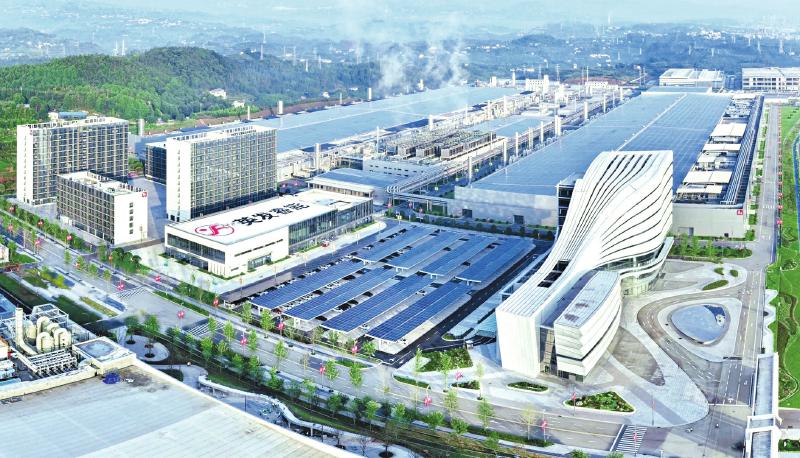
Core Insights - Sichuan's industrial sector has shown significant growth during the "14th Five-Year Plan" period, with the annual average growth rate of industrial added value at 6.6%, increasing from 13.4 trillion yuan to 17.9 trillion yuan [7] - The province's industrial enterprises have increased R&D investment and intensity by 50% and 41% respectively, indicating a solid path of simultaneous quantity and quality improvement [7] Group 1: Transformation to Intelligent Manufacturing - The Baijiu industry, represented by Wuliangye, is integrating smart technologies, having established innovation platforms with six academicians and developed 13 national high-tech enterprises [8] - The Oriental Turbine Company has implemented a digital assembly system that has reduced assembly time by 40%, showcasing the impact of digital transformation on traditional manufacturing [9] - Sichuan's industrial enterprises are accelerating digital transformation, with over 20% increase in coverage in the last two years, aiming for full coverage by the end of 2027 [10] Group 2: Green Energy and New Industries - The automotive sector, particularly in new energy vehicles, is rapidly growing, with a reported 170% increase in production of electric vehicles and 55% in lithium-ion batteries from January to September [11] - Sichuan is positioning itself as a hub for the battery industry, with plans for a 6400-acre production base that aims for a capacity of 400 GWh by 2025, generating over 500 billion yuan in output value [12] - The province is also advancing in hydrogen energy and low-altitude economy, with significant developments in hydrogen fuel cell vehicles and the launch of the first large passenger eVTOL aircraft [14][15] Group 3: Supportive Ecosystem for Enterprises - The "Enterprise Home" initiative in Sichuan provides a platform for policy consultation and support, facilitating over 2700 activities to assist more than 110,000 enterprises in the first nine months of the year [16][17] - The favorable business environment has attracted significant investments, such as the 20 GW high-efficiency silicon battery project by Yingfa Ruili, which became the second-largest global supplier of N-type TOPCon cells in the first half of the year [17]