高产

Search documents
全国秋粮收获过五成!新技术和新品种促进大豆单产提升
Sou Hu Cai Jing· 2025-10-11 11:48
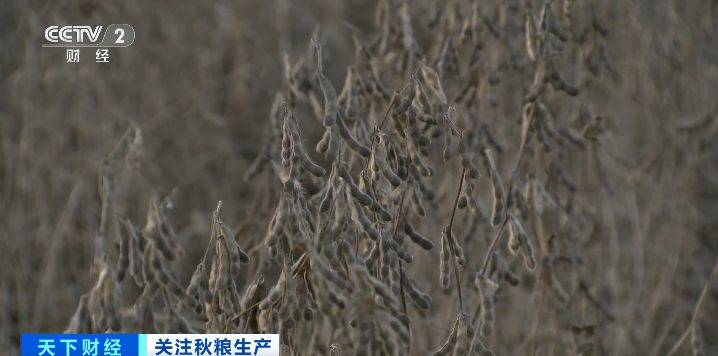
Core Insights - The article highlights the significant progress in soybean production in China, with over 50% of the autumn grain harvest completed by October 10, including 55% of soybean harvest [1][2]. Group 1: Soybean Production and Technology - In Heilongjiang Province, soybean yield has reached 393.98 jin per mu (approximately 262.65 kg) due to new technologies and varieties [3]. - Farmers have reported a yield increase from previous levels of 350 jin per mu (approximately 233.33 kg) to higher levels this year, attributed to techniques such as dense planting and the use of microbial agents [5]. - A new nitrogen-fixing technology developed by the Chinese Academy of Agricultural Sciences has been implemented, resulting in an average income increase of about 400 yuan per mu [7]. Group 2: Agricultural Practices and Innovations - High-yield, drought-resistant soybean varieties are being promoted across major production areas, with demonstration zones achieving yields exceeding 300 kg per mu [9]. - The number of counties implementing large-scale yield improvements has reached 100, focusing on key regions like Heilongjiang and Inner Mongolia [11]. Group 3: Overall Production Trends - China's soybean planting area has stabilized at over 150 million mu, with production surpassing 20 million tons for the first time in 2022, reaching 20.65 million tons last year [13]. - The self-sufficiency rate for soybeans has increased by 4 percentage points since 2020 [13].

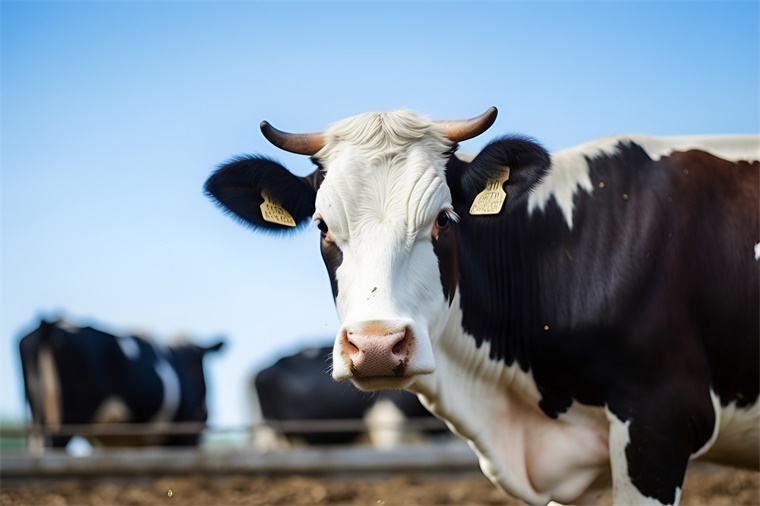
打破欧美国家垄断!我国研制出系列牛用基因芯片,能让奶牛生产出优质牛奶【附基因测序技术分析】
Qian Zhan Wang· 2025-07-22 09:27
Core Viewpoint - The successful development of genome-based embryo genetic evaluation chips and high-performance genomic prediction chips by the National Dairy Technology Innovation Center marks a significant advancement in China's dairy breeding industry, transitioning from a follower to a leader in this field [2] Group 1: Technological Advancements - The newly developed genomic chips fill a gap in China's genetic evaluation technology for dairy cattle, which was previously dominated by developed countries [2] - The new chips enhance detection efficiency by over four times compared to traditional whole-genome sequencing, while reducing costs to one-fifth of previous methods [2] - The chips utilize machine learning and algorithm models, leveraging data from 96 large-scale farms and over 600,000 dairy cows to analyze genetic fingerprints [2] Group 2: Market Context - The Chinese gene sequencing market has seen rapid growth, with the market size increasing from less than 10 billion yuan to over 24 billion yuan from 2016 to 2022, reflecting a compound annual growth rate of over 20% [4] - The high technical barriers in gene sequencing mean that only a few companies, such as Illumina, Thermo Fisher, and BGI, have mass production capabilities [5] Group 3: Future Developments - The National Dairy Technology Innovation Center plans to develop a series of functional genetic testing chips focusing on local dairy cattle breeds, addressing breeding, milk production, and health indicators, while also exploring genetic traits for low carbon emissions and heat stress resistance [9]