高速摄影机

Search documents
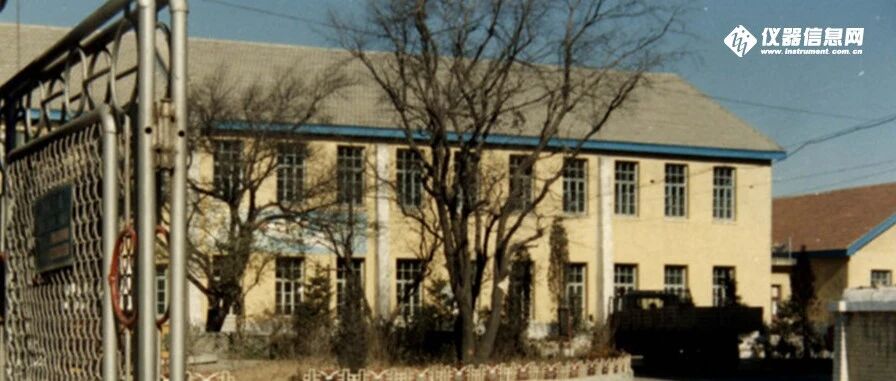
仪器历史上的今天:中国科学院仪器馆成立
仪器信息网· 2026-01-23 09:02
Core Viewpoint - The article highlights the historical significance and contributions of the Chinese Academy of Sciences Instrumentation Museum, which evolved into the Changchun Institute of Optics, Fine Mechanics and Physics, in the development of optical technology and national defense in China. Group 1: Historical Development - The Instrumentation Museum was established in 1953, marking the beginning of optical research in New China, with Wang Daheng as a key figure in its founding [2][3]. - The first furnace of optical glass was produced by the end of 1953, laying the foundation for the optical instrument manufacturing industry [4]. - In 1957, the museum was renamed the Institute of Optics and Fine Mechanics, and by 1958, it successfully developed a series of significant optical instruments known as the "Eight Major Items" [5]. Group 2: Contributions to National Defense - The institute played a crucial role in supporting the development of medium-range missiles in the early 1960s by undertaking the task of developing large optical measurement equipment [11]. - In 1964, the institute was responsible for the development of high-speed cameras used during China's first atomic bomb test, successfully obtaining critical optical measurement data [13]. - The institute has participated in several major national projects, including "Two Bombs, One Satellite" and manned spaceflight, contributing significantly to national defense and economic development [14]. Group 3: Current Status and Impact - As of the end of 2023, the Changchun Institute of Optics is one of the largest research institutes under the Chinese Academy of Sciences, employing over 2,500 staff and housing 21 research departments and multiple national key laboratories [19]. - The institute has incubated several high-tech enterprises, forming a distinctive optoelectronic industry cluster [19]. - It has been a cradle for many top scientists, including Wang Daheng and Jiang Zhuying, contributing to the advancement of optical science in China [16].

1.00亿元!中国农业科学院采购大批仪器设备
仪器信息网· 2025-09-29 04:02
Core Viewpoint - The Chinese Academy of Agricultural Sciences has announced procurement intentions for 18 types of instruments and equipment, with a total budget of 100 million yuan, expected to be purchased between April and October 2025 [1][2]. Procurement Overview - The procurement includes advanced instruments such as laser scanning confocal microscopes, high-speed cameras, gas chromatography-mass spectrometry systems, continuous flow analyzers, near-infrared spectrometers, Kjeldahl nitrogen analyzers, stereofluorescence microscopes, real-time quantitative PCR systems, and liquid chromatography systems [2][6]. Specific Instruments - **Kjeldahl Nitrogen Analyzer**: A precision instrument used to determine nitrogen content in samples, widely applied in food, agriculture, environment, and pharmaceuticals [3]. - **Continuous Flow Analyzer**: An advanced chemical analysis instrument that mixes samples with specific reagents for quantitative analysis, crucial in environmental monitoring and food testing [4]. - **Real-time Quantitative PCR System**: An advanced instrument for nucleic acid quantification, essential in molecular biology research and clinical diagnostics [5]. Detailed Procurement List - The procurement plan includes various instruments across different research areas, with specific budget allocations for each type of equipment, such as: - Laser scanning confocal microscopes and high-speed cameras for agricultural environmental research, budgeted at 8.22 million yuan [7]. - Gas chromatography-mass spectrometry systems and continuous flow analyzers for tobacco research, with a budget of 6.5 million yuan [8]. - Digital PCR systems and other advanced instruments for crop breeding research, with a budget of 900,000 yuan [9]. Summary of Budget Allocations - The total budget for the procurement is 100 million yuan, with specific allocations for various instruments and research projects, indicating a significant investment in agricultural research and development [1][2].