魔爪能量饮料

Search documents
全球能量饮料启示录-复盘魔爪与燃力士
2026-03-18 02:31
Summary of Key Points from the Conference Call Industry Overview - The Southeast Asian energy drink market is experiencing significant growth potential, driven by a hot climate and the necessity for functional beverages. However, competition is intense, with Red Bull holding a dominant market share of over 50% in several countries like Singapore, Malaysia, and Vietnam [10][11]. Company Insights: Monster Beverage Corporation (魔爪) - **Global Expansion Strategy**: Monster has leveraged a strategic partnership with Coca-Cola, which began in 2014, allowing it to utilize Coca-Cola's extensive bottling and distribution network. This partnership has led to a significant increase in overseas sales, with net sales outside the U.S. reaching $2.5 billion in the first three quarters of 2025, growing at 12.6% year-over-year [3][4]. - **Sales and Pricing Strategy**: Monster adopted a price-volume strategy, reducing the price per case from $10.3 to $8.4, which has driven sales volume to 850 million cases in 2024, reflecting a compound annual growth rate (CAGR) of 12.4%, outperforming the industry average of 10.8% [4][5]. - **Product Focus and Market Positioning**: The company maintains a strong focus on energy drinks, with over 90% of its net sales coming from this segment since 2016. In 2024, net sales approached $7 billion [5]. Monster's product strategy includes rapid innovation, with new products accounting for about 20% of total sales in mature markets like the U.S. [6]. - **Market Penetration**: By the end of 2025, Monster's products are expected to be available in 158 countries, with strategic brands in 57 countries and value brands in 36 countries [3]. Company Insights: Celsius Holdings, Inc. (燃力士) - **Differentiated Product Positioning**: Celsius has positioned itself as a health-oriented energy drink, using natural ingredients and promoting a "healthy lifestyle" rather than just energy-boosting effects. This shift has broadened its target audience from weight-conscious individuals to fitness enthusiasts and mainstream consumers [7]. - **Distribution Strategy**: Celsius has partnered with PepsiCo for distribution in North America, which has significantly boosted its revenue, reaching $620 million in 2022, a 130% increase year-over-year [8]. However, reliance on a single distributor poses risks, as seen when inventory reduction strategies by distributors negatively impacted Celsius's performance [9]. - **Market Challenges**: The company faces challenges from over-reliance on major distributors, which can lead to volatility in revenue and stock price due to changes in distributor strategies [9]. Strategic Recommendations for Chinese Companies - **Market Entry and Brand Positioning**: Chinese energy drink companies should focus on brand differentiation and positioning in Southeast Asia, moving from low-cost strategies to creating unique brand narratives that resonate with local consumers [10][11]. - **Channel Strategy**: Companies should consider partnerships with international beverage giants for rapid market entry while also developing their distribution channels to mitigate risks associated with over-reliance on single distributors [11]. For instance, Dongpeng Beverage is establishing subsidiaries in Southeast Asia to build local supply chains and enhance market control [11]. Conclusion - The Southeast Asian energy drink market presents both opportunities and challenges for Chinese companies. Successful market entry will require a balance of strategic partnerships, innovative product offerings, and robust distribution networks to navigate the competitive landscape effectively.
日经Gaming精选:喝气泡水也能加Buff?研究揭示喝强碳酸水玩电竞的隐藏好处
日经中文网· 2026-01-07 02:46
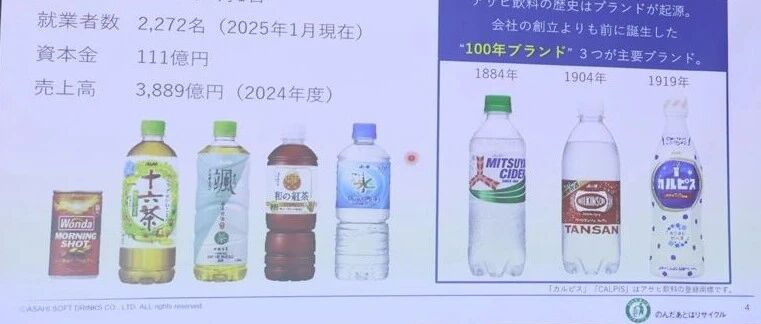
Group 1 - The article discusses the intersection of esports and carbonated beverages, highlighting a seminar hosted by Asahi Beverage on the impact of strong carbonated water on esports players' performance [3][5]. - Asahi Beverage, a subsidiary of Asahi Group Holdings, is exploring new drinking scenarios for esports, emphasizing its strong carbonated drink "Wilkinson Carbonated Water" [7]. - The company is also involved in promoting its energy carbonated drink brand "Dodekamin," which collaborated with Capcom's "Mega Man" series in 2023, allowing consumers to engage with original games through a QR code on the product [7]. Group 2 - The article notes that traditional energy drinks like "Red Bull" and "Monster" have established a dominant position in the esports beverage category, prompting the exploration of alternative beverages [5]. - Asahi Beverage is responsible for the distribution of "Monster Energy Drink" in Japan, indicating its significant role in the gaming-related beverage market [7]. - The seminar presented a unique perspective on how carbonated water could enhance the gaming experience, suggesting a shift in consumer preferences within the esports community [5][3].

一年卖超1000亿元,卡车司机最爱饮料,怎么悄悄被年轻人买爆?
3 6 Ke· 2025-08-27 06:43
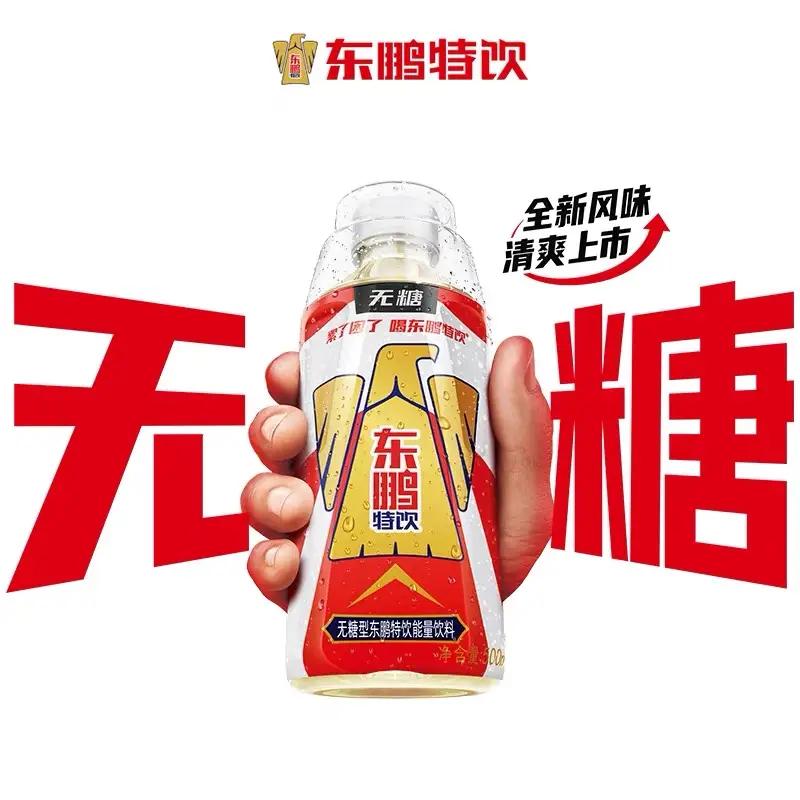
Core Viewpoint - The energy drink market in China is rapidly penetrating among young consumers, driven by new product launches and changing consumer preferences towards healthier options and innovative packaging [1][3][47]. Group 1: Product Innovations - Dongpeng Beverage launched a new "sugar-free Dongpeng Energy Drink" in July, catering to young consumers' demand for reduced sugar and featuring L-α-glycerophosphocholine to enhance cognitive function [1][31]. - The energy drink market in China reached a retail value of 111.4 billion yuan in 2024, with young consumers becoming a significant driving force [3][47]. - Brands like Monster and Yuanqi Forest have introduced products with unique flavors and packaging, such as the MAXX drink with mint extract, appealing to the younger demographic [13][35]. Group 2: Market Trends - The energy drink market is experiencing a shift from traditional blue-collar consumers to urban young professionals, with consumption scenarios now including gaming, late-night work, and fitness [3][37]. - The market is projected to maintain a growth rate of over 15% year-on-year in 2024, significantly outpacing the soft drink market's growth [47]. - The per capita consumption of energy drinks in China is 2.79 liters in 2024, which is substantially lower than in the US and Japan, indicating significant growth potential [47]. Group 3: Packaging and Branding - Energy drink brands are adopting vibrant and trendy packaging to attract younger consumers, moving away from traditional designs that appealed to blue-collar workers [4][8][20]. - The introduction of diverse color schemes and artistic designs in packaging has become a key strategy for brands like Monster and Dongpeng to engage with the younger audience [20][24]. - The shift in branding strategies, such as Dongpeng's focus on youth culture and lifestyle, has helped reshape the perception of energy drinks in the market [44][46]. Group 4: Ingredient Trends - There is a growing trend towards cleaner ingredient profiles in energy drinks, with brands eliminating synthetic additives like taurine and caffeine in favor of natural plant-based ingredients [25][26]. - The rise of sugar-free options is notable, with brands like Yuanqi Forest and Dongpeng introducing products that utilize alternative sweeteners to meet health-conscious consumer demands [28][31]. - The incorporation of carbonation in energy drinks has also gained popularity, aligning with the trend of fizzy beverages among younger consumers [34][35].