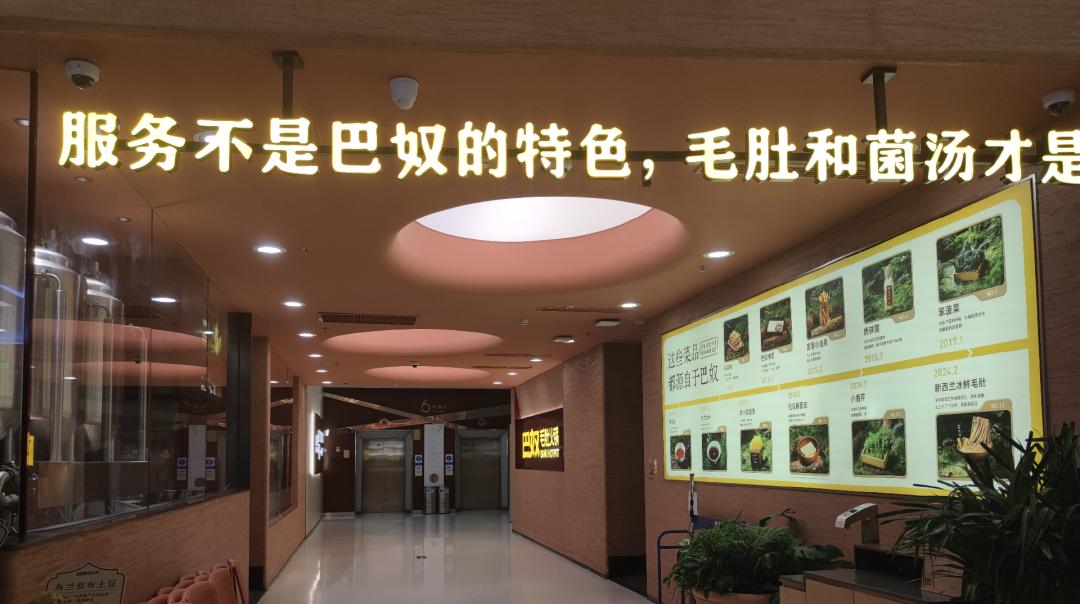
鸭屎香奶茶

Search documents
离大谱!火锅店用一杯奶茶,让茶饮店老板坐不住了?
东京烘焙职业人· 2026-03-23 08:34
Core Viewpoint - The article discusses how hot pot restaurants are successfully integrating beverage offerings into their menus, transforming drinks from mere accompaniments to key attractions that enhance the dining experience and drive customer visits [4][12]. Group 1: Beverage Integration in Hot Pot Restaurants - Hot pot restaurants are increasingly offering unique and appealing drinks that rival those of specialized tea shops, with consumers often visiting specifically for these beverages [4][8]. - The combination of spicy hot pot and refreshing drinks creates a compelling dining experience, as the need for a palate cleanser is heightened by the intense flavors of hot pot [8][12]. - Popular drinks from hot pot chains, such as Ba Nu's duck dung milk tea and Coo Coo's Da Hong Pao oat milk tea, have become signature items that attract customers [12][18]. Group 2: Strategies for Success - Hot pot restaurants are investing in professional teams to develop beverages that are not only tasty but also specifically designed to complement hot pot dishes [18][19]. - The visual appeal of drinks has become crucial for attracting customers, with vibrant colors and creative presentations serving as effective marketing tools [19][23]. - Unique stories and themes associated with drinks enhance their memorability, encouraging customers to share their experiences on social media [24][26]. Group 3: Pricing and Consumer Perception - The pricing strategy for beverages in hot pot restaurants typically ranges from 20 to 30 yuan, creating a perceived value that encourages purchases [27]. - Promotions and discounts often lead to a lower effective price, fostering a sense of value and prompting customers to feel they would miss out if they do not order the drinks [27][30]. - The successful integration of high-quality beverages into hot pot dining experiences has positioned these drinks as essential components of customer satisfaction and repeat visits [30][31].

年赚23亿,80%由下沉市场买单,火锅界“爱马仕”冲击IPO
3 6 Ke· 2025-07-15 00:07
Core Viewpoint - The company Banu has initiated its IPO process amidst a competitive hot pot market, characterized by high consumer expectations and a focus on premium offerings, despite the trend of cost-conscious consumption among consumers [1][2]. Company Overview - Banu's average customer spending is significantly higher than its competitors, with a projected average of 148 RMB per person by March 2025, which is 45% more than Haidilao [1]. - The company has positioned itself as a high-end brand, often referred to as the "Hermès of hot pot," focusing on product quality rather than competitive pricing [1][2]. Financial Performance - Banu's revenue has shown growth from 14.33 billion RMB in 2022 to a projected 23.07 billion RMB in 2024, but it remains significantly lower than Haidilao's revenue of 427.55 billion RMB in 2024 [4][5]. - The adjusted net profit margins for Banu are 2.9%, 6.8%, and 8.5% from 2022 to 2024, while Haidilao maintains a net profit margin above 10% since 2023 [4]. Market Positioning - Banu has expanded its store count from 83 in 2022 to 145 by March 2025, with a focus on lower-tier cities, where 78.6% of its stores are located [5][12]. - The company has a compound annual growth rate (CAGR) of 26.9% over three years, driven largely by store openings [5]. Customer Experience and Membership - Banu's membership system categorizes customers into different tiers, with "肚神" (Dushen) members receiving special privileges, although there have been complaints about reduced benefits and increased prices [7][9]. - The company has faced challenges with customer satisfaction due to perceived inequities in service for members versus regular customers, leading to negative experiences [9]. Challenges and Strategic Focus - Banu has not yet ventured into the delivery business, relying heavily on in-store dining for 97% of its revenue, contrasting with competitors like Haidilao, which has successfully integrated delivery services [12]. - The company plans to open 40, 50, and 60 new stores in the next three years, indicating a strong focus on physical expansion despite the challenges of maintaining profitability in high-rent areas [12][13]. Supply Chain and Operational Efficiency - Banu operates five central kitchens across various regions, but the utilization rates are below 75%, indicating a need for further expansion to optimize supply chain costs [14]. - The company is under pressure from investors to achieve significant growth and complete its IPO by December 2029, highlighting the urgency of its expansion strategy [13][14].