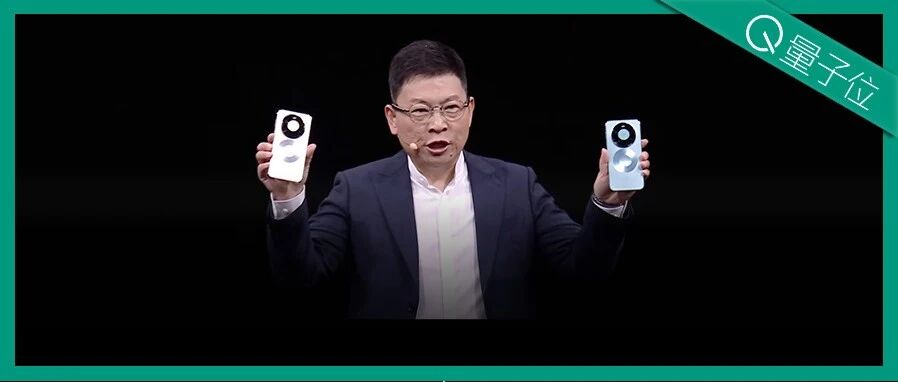
麒麟9030系列芯片

Search documents
早报:小米YU7 GT配置汇总 库克透露50周年庆祝计划
Sou Hu Cai Jing· 2026-02-09 00:11
Group 1 - Huawei Mate 80 Pro Max is ramping up production with plans to ship before the Spring Festival, reflecting a significant gap between initial production capacity and market demand [1] - The key to increasing production capacity lies in the supply of core chips, specifically the Kirin 9030 series, which is expected to see improved availability around the Spring Festival [1] - Apple CEO Tim Cook announced plans for the company's 50th anniversary celebration, emphasizing the importance of reflecting on Apple's contributions over the past five decades [2][4] Group 2 - The Xiaomi YU7 GT features upgraded dimensions of 5015mm x 2007mm x 1597mm, with a wheelbase of 3000mm, enhancing its visual appeal and performance capabilities [4][9] - The YU7 GT is equipped with a dual-motor all-wheel-drive system, delivering a combined power output of 738kW (approximately 1003 horsepower) and a top speed of 300 km/h, marking a significant achievement in the domestic electric SUV market [5][7] - The expected price range for the YU7 GT is between 450,000 to 500,000 yuan, positioning it competitively within the electric vehicle segment [14]

华为重夺国内第一 自研芯片破局 国产高端格局生变?
Xin Lang Cai Jing· 2026-01-18 13:34
Core Insights - Huawei regained the top position in the domestic smartphone market with 46.7 million units shipped, capturing a 16.4% market share, ending Apple's years of dominance [1][12] - The shift in consumer sentiment towards domestic brands and self-developed technology marks the arrival of a new era for high-end domestic smartphones [3][12] Market Performance - The overall domestic smartphone market is expected to see a 1% year-on-year decline in shipments for 2025, reflecting weak consumer confidence [1] - Huawei's Mate 80 series achieved over 2 million units shipped in its first month, while the Pura 80 series gained popularity due to its practical camera design [3] Consumer Preferences - Over 62% of new Huawei users chose the brand due to recognition of domestic self-developed technology rather than just technical specifications [3] - There is a noticeable shift in consumer behavior from blindly pursuing international brands to valuing technological independence and brand sentiment [3] Technological Advancements - The Kirin 9030 series chips have improved performance by 42%-45% compared to previous generations, balancing performance and power consumption through software optimization [5] - Huawei's self-developed chips not only alleviate supply chain issues but also allow for innovative product design, as seen in the Pura 80 Ultra's unique dual telephoto lens system [5] High-End Market Dynamics - The high-end smartphone market (priced above 3000 yuan) surpassed 30% of the total market share for the first time, becoming a key growth driver [7] - Huawei has transitioned from a follower to a rule-maker in the high-end market, particularly in the foldable phone segment, where it holds over 60% market share [7] Competitive Landscape - Samsung's market share in the foldable segment is declining due to its overly international product design, which does not align with domestic user habits [8] - Local brands like Vivo are also gaining traction in the high-end market, indicating a shift towards a domestically-led market landscape [8] Industry Implications - Huawei's resurgence highlights the importance of self-innovation as a long-term competitive advantage in an uncertain global supply chain environment [10] - The global smartphone market is projected to grow by 1.5% in 2025, with emerging markets and AI devices driving growth, while the domestic market is expected to recover only in 2026 [10] Conclusion - Huawei's reclaiming of the top position in the domestic smartphone market is not merely a rebound but a culmination of years of technological accumulation, signaling the official arrival of the high-end domestic smartphone era [12]
华为Mate“双旗舰”升级 ,用“鸿蒙+麒麟”撬动高端市场
2 1 Shi Ji Jing Ji Bao Dao· 2025-11-25 13:12
Core Viewpoint - Huawei has launched its flagship Mate 80 and Mate X7 series smartphones, emphasizing its self-developed HarmonyOS 6 and Kirin 9030 series chips, marking a significant step in its high-end smartphone strategy [2][12]. Product Launch - The Mate 80 and Mate X7 series were officially released on November 25, featuring upgrades in performance, communication, imaging, and battery life, with a competitive starting price of 4699 yuan [2][12]. - The Mate 80 series includes models with Kirin 9030 chips, showcasing a performance increase of 42% for Mate 80 Pro Max and 45% for RS Master Edition compared to previous models [4][11]. Hardware and Software Enhancements - The Mate 80 Pro Max features a new ultra-transparent Linglong screen and advanced imaging systems, while the Mate X7 utilizes lightweight yet strong materials, achieving a weight of approximately 235 grams [5][7]. - The software capabilities of the new models emphasize AI, with the Mate X7 being one of the first to implement cross-application task automation through its AI assistant [10][11]. Market Strategy - The Mate 80 series aims to maintain high-end recognition and market share in the traditional smartphone market, while the Mate X7 focuses on driving innovation in the foldable smartphone segment [12][14]. - Huawei leads the foldable smartphone market with nearly 70% market share, as the demand for foldable devices continues to grow [14]. Ecosystem Development - Huawei's strategy is increasingly focused on the integration of hardware and software, with the HarmonyOS ecosystem being a critical growth driver [15][16]. - The HarmonyOS ecosystem has seen significant growth, with over 30,000 applications and services available, and daily additions of 100,000 devices, indicating a robust developer ecosystem [16].
国产手机卖到1万6!华为新旗舰,搭载麒麟9030
量子位· 2025-11-25 09:32
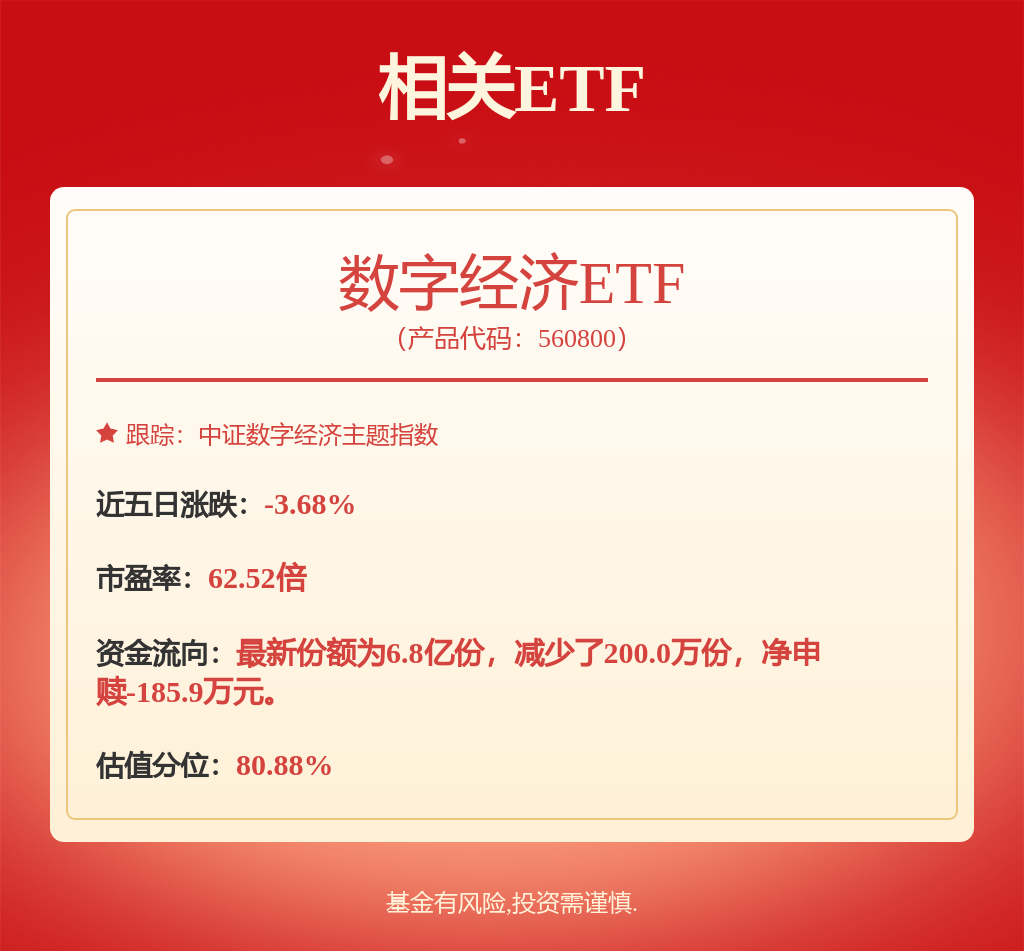
Core Viewpoint - Huawei has launched its flagship Mate 80 series and the foldable Mate X7, featuring the new Kirin 9030 series chips, marking a significant advancement in both hardware and software capabilities. Group 1: Product Launch and Specifications - The Mate 80 Pro 12GB version is equipped with the new Kirin 9030 chip, while the 16GB version and Mate X7 utilize the Kirin 9030 Pro chip [3] - The starting price for the Mate 80 series is 4699 yuan, while the Mate X7 starts at 12999 yuan, going up to 15999 yuan for higher configurations [10][12] - The Mate 80 Pro Max is the first all-metal flagship phone post-5G era [5] Group 2: Software and AI Features - The Mate 80 series and Mate X7 debut with HarmonyOS 6, featuring upgraded AI capabilities [6] - The AI assistant, now called "Xiao Yi Intelligent Body," can autonomously learn app operations and collaborate with third-party applications [6][15] - The AI can assist with various tasks, such as reordering frequently purchased items and providing real-time updates on flight changes [19][25] Group 3: Imaging Capabilities - The Mate 80 series introduces the second-generation Red Maple imaging system, significantly enhancing color accuracy and dynamic range [8][51] - The main camera features a 5000-megapixel sensor with a variable aperture and optical image stabilization, while the long-focus camera offers 5.5x optical zoom [42][43] - The Mate 80 Pro Max includes advanced imaging hardware, improving processing speed, color accuracy, and noise reduction [63] Group 4: Kirin 9030 Chip Insights - The Kirin 9030 chip features a 1+4+4 core design with a CPU clocked at up to 2.75GHz and a GPU using Maleoon 935, indicating a notable performance improvement [83][84] - The return of the Kirin 9030 chip, combined with comprehensive software and hardware upgrades, enhances the flagship's appeal [84] Group 5: Additional Innovations - Huawei has introduced an AI pet called "Smart Huan Huan," reflecting its expansion into AI hardware ecosystems [86][88] - The company is set to showcase further innovations in the AI sector at the upcoming Quantum Meet 2026 conference [89]