麦麦夜市

Search documents
越全球,越本土
Sou Hu Cai Jing· 2025-11-30 00:31
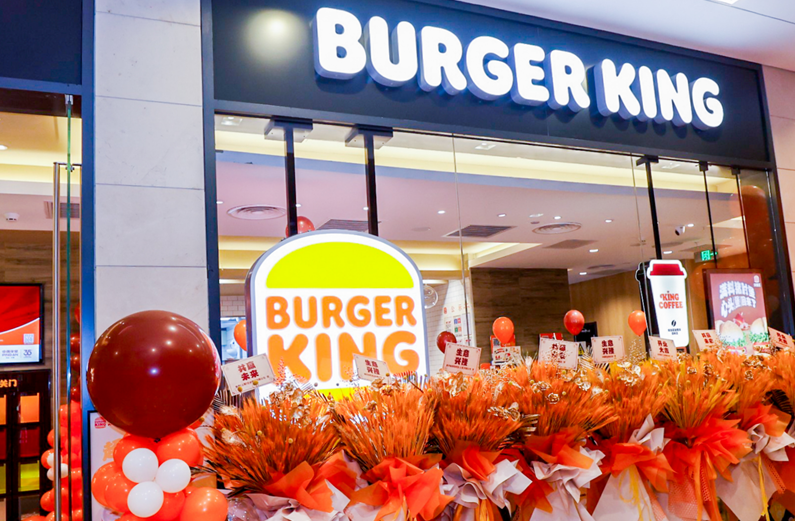
Core Insights - The partnership between Burger King China and private equity firm CPE Yuanfeng marks a shift in multinational companies' strategies in China, moving from replicating global models to focusing on local innovation [1] - This trend is reflected in similar collaborations among other major brands like Starbucks and McDonald's, indicating a systemic paradigm shift in the industry [1] Structural Motivations for Change - Regulatory environment pressures companies to deeply embed themselves in local markets, with new regulations demanding higher standards for data compliance and supply chain transparency [3] - Local capital's understanding of policy contexts provides a competitive edge, as they not only bring funding but also adaptability to local regulations [4] - The market competition is shifting towards a stock game, with local brands gaining significant market share, leading to a decline in pure foreign brand presence [4] Changing Consumer Demands - The Z generation has become the primary consumer group, with 78% preferring products that incorporate local cultural elements, and 65% viewing dining as a social experience [7] - Standardized global menus are increasingly unable to meet the complex demands of consumers, making localized adaptations more appealing [7] Localization Strategies - Product innovation is key, as seen with McDonald's "McNight Market" series, which tailored offerings to local tastes, resulting in a significant increase in nighttime sales [9] - Supply chain restructuring is also crucial, with Yum China establishing local sourcing to reduce costs and improve delivery times, leading to substantial growth in their coffee business [10] - Cultural integration is essential, exemplified by Starbucks' incorporation of traditional Chinese cultural elements into store designs, enhancing local cultural resonance and customer loyalty [10] Impact of Localization - The localization transformation is reshaping competitive dynamics, with foreign brands seeing an average market share increase of 12% through local capital involvement, while pure foreign brands decline by 8% [14] - Private equity firms are evolving from mere financial investors to entities that provide policy understanding and management expertise, creating a "capital + capability" empowerment model [14] - The trend is redefining globalization, shifting from a simplistic "Western model export" to a more nuanced "multi-center customization and global collaboration" approach [14] Future Directions - By the end of the year, it is expected that 70% of foreign dining brands will establish R&D centers in China, leveraging local technological advancements to enhance their offerings [15] - ESG practices are anticipated to become more localized, with a focus on sustainable packaging and energy-efficient equipment [15] - Cultural resonance will be a competitive battleground, with many foreign brands expected to launch product lines specifically designed for the Chinese market [15] - The success of multinational companies in China will increasingly depend on their ability to root themselves locally, moving from being "foreigners" to "co-builders" and "co-creators" [16]

分拆、合资、放权......入华二十多年的洋快餐为何都要“独立”?
Xin Lang Cai Jing· 2025-11-17 08:12
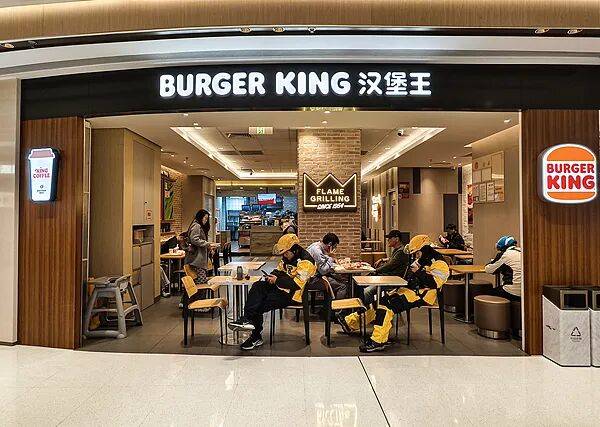
Core Insights - The article highlights a trend of multinational companies, particularly in the food and beverage sector, increasingly opting for joint ventures and local partnerships in China to enhance growth and localization strategies [1][10][15]. Group 1: Joint Ventures and Partnerships - Starbucks announced a joint venture with Boyu Capital, selling up to 60% of its Chinese operations for an estimated valuation of $4 billion (approximately 284.84 billion RMB) [3][10]. - CPE Yuanfeng has formed a joint venture with Restaurant Brands International (RBI) to take over Burger King's operations in China, with CPE holding approximately 83% and RBI retaining about 17% [1][10]. - The trend of forming joint ventures is not new; McDonald's previously sold 80% of its China operations to a consortium led by CITIC and Carlyle in 2017, while Yum China was spun off from Yum Brands in 2016 [3][11][15]. Group 2: Growth and Localization Strategies - Starbucks aims to expand its store count in China from 8,000 to 20,000, leveraging Boyu's local expertise to penetrate smaller cities and emerging regions [3][10]. - Burger King plans to increase its store count from 1,250 to over 4,000 with the support of CPE Yuanfeng, focusing on product upgrades and digital transformation [3][10]. - McDonald's set a goal to grow its store count from 2,500 to 4,500 within five years after partnering with CITIC and Carlyle, emphasizing delivery and digital trends [3][10]. Group 3: Market Dynamics and Competition - The Chinese market is significant, with McDonald's identifying it as its second-largest and fastest-growing market globally, contributing about 8% to Starbucks' revenue [5][6]. - The competitive landscape is shifting, with local players like Luckin Coffee and Wallace rapidly gaining market share, prompting international brands to rethink their strategies [7][19]. - Starbucks' market share in China has declined from 42% in 2017 to an estimated 14% in 2024, indicating increasing competition from local brands [6][19]. Group 4: The Role of Local Partners - The introduction of local partners is seen as a crucial strategy for navigating the complexities of the Chinese market, as evidenced by the success of brands like Luckin Coffee and Heytea [9][29]. - The partnership model allows foreign brands to maintain brand ownership while leveraging local expertise for operational execution, enhancing their adaptability in a competitive environment [29][30]. - The article emphasizes that successful localization does not mean abandoning brand values but rather adapting to local consumer preferences and market dynamics [34][36].