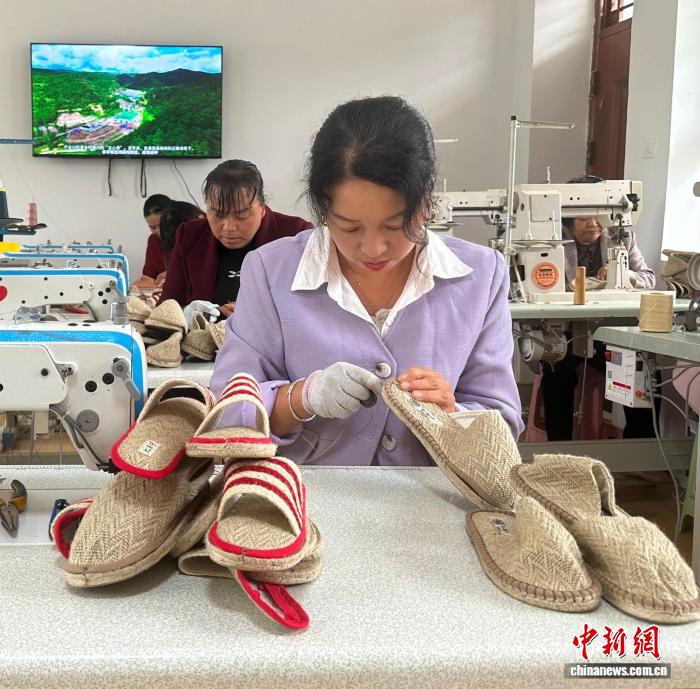
麻鞋

Search documents
天水职业技能培训“对接市场”惠民生
Xin Lang Cai Jing· 2026-01-13 08:23
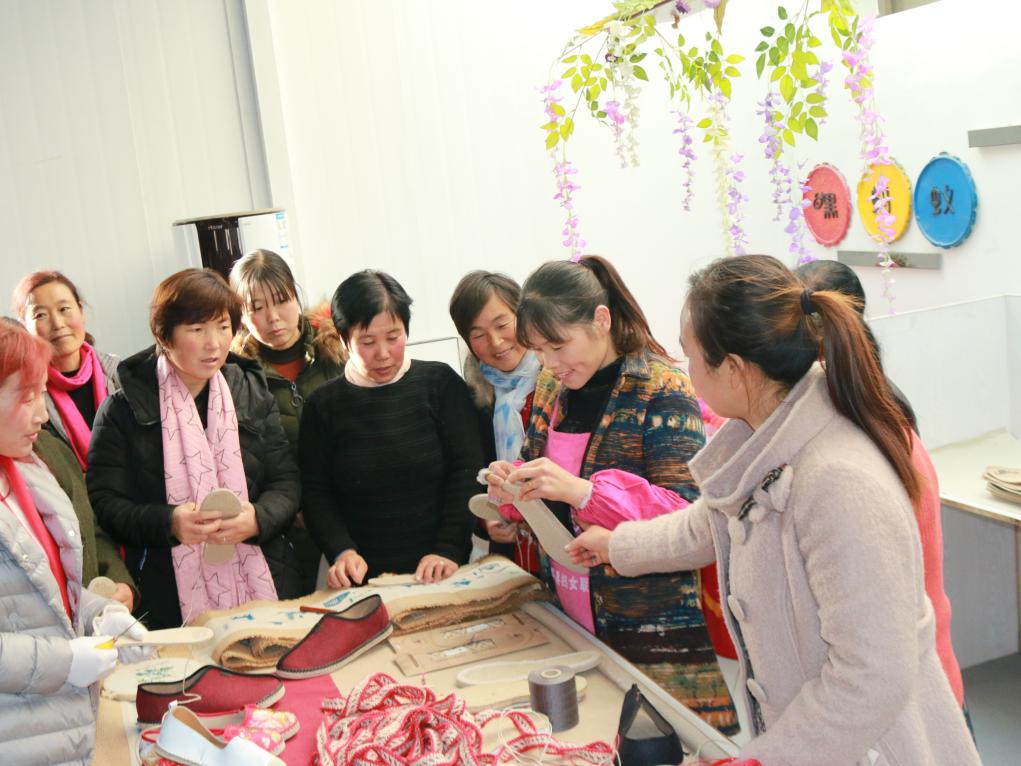
Core Insights - The article highlights the implementation of a targeted vocational training initiative in Tianshui, aimed at aligning skill development with local employment needs, resulting in significant job creation and income improvement for residents [1][2]. Group 1: Training Initiatives - The "Skills Illuminate the Future" training action has been launched, with a goal of training 24,300 individuals by 2025, leading to 19,700 people achieving employment and increased income [1]. - A "three measures and three constructions" mechanism has been established to ensure precise matching of training needs with market demands, focusing on six key industries including advanced manufacturing and modern agriculture [1]. - A list of labor demand has been compiled, featuring 28 critical job types and 136 enterprise positions, ensuring that training programs align with market requirements [1]. Group 2: Regional and Industry-Specific Training - The initiative aims to transform regional characteristics into training advantages, creating a "one county, one brand; one industry, one benchmark" training matrix [2]. - Non-heritage training classes, such as traditional shoe-making and wood carving, have been established in Gangu County and Wushan County, enabling over 820 students to achieve home-based employment through "intangible cultural heritage + e-commerce" [2]. - In Qinan County, training focused on the local fruit industry has resulted in over 5,000 farmers being trained, leading to a 20% increase in yield and over 300 households earning an additional 10,000 yuan annually [2]. Group 3: Employment and Certification - A comprehensive service system encompassing training, evaluation, employment, and follow-up has been constructed to ensure effective skill conversion [3]. - By 2025, 10,400 trainees are expected to obtain vocational or skill level certificates, with a 25% higher employment rate for certified individuals compared to those without certificates [3]. - Collaborations with 58 enterprises have been established to implement a "training order" model, where trainees are directly employed post-training, with monthly salaries exceeding 6,000 yuan [3].
四中全会精神在基层丨千年麻编工艺如何走俏国内外市场?
Xin Hua Wang· 2025-12-05 09:41
Core Insights - The article discusses the revival and commercialization of traditional hemp weaving craftsmanship in Gansu Province, China, particularly focusing on the production of hemp shoes that are gaining popularity in both domestic and international markets [1][3]. Group 1: Industry Development - The hemp shoe weaving technique has a history of over a thousand years in the Weihe River basin, and it was recognized as a representative project of intangible cultural heritage in Gansu Province in 2017 [3]. - The local government has been supportive of the hemp weaving industry, leading to the establishment of numerous local enterprises and small workshops, which have contributed to product upgrades and technological transformations [6][7]. Group 2: Company Initiatives - Gansu Yaluren Hemp Weaving Craft Products Development Co., Ltd. was founded by a local entrepreneur who integrated traditional techniques with modern designs, resulting in over 200 styles of hemp shoes and sales exceeding 200,000 pairs annually [3][4]. - The company has collaborated with renowned brands in the U.S., Italy, and Spain for large-scale orders, enhancing employment opportunities and increasing the international recognition of hemp weaving craftsmanship [4][6]. Group 3: Training and Employment - Since 2015, the company has trained over 10,000 individuals, with more than 3,000 being local women, thereby transforming them into skilled artisans capable of earning 2,000 to 3,000 yuan per month [6][7]. - The training programs have not only promoted the transmission of skills but also stimulated production, contributing to the local economy [4][6]. Group 4: Future Prospects - The hemp weaving industry in Gangu County is projected to reach an output value of 50 million yuan by 2024, with plans to further integrate cultural heritage training with industry and e-commerce training [7]. - The company is expanding its product range to include not just shoes but also clothing and home decor, thereby creating a comprehensive industrial chain from cultivation to sales [7].

从田间到市场 “轩辕故里”清水千年汉麻产业全链条焕新
Zhong Guo Xin Wen Wang· 2025-08-30 08:49
Core Viewpoint - The article highlights the revitalization of the hemp industry in Qingshui County, Gansu Province, showcasing its transition from traditional cultivation to a modernized, full-chain industry model, emphasizing the economic and environmental benefits of hemp cultivation [1][2]. Industry Overview - Qingshui County has a long history of hemp cultivation, dating back over 5,000 years, with current cultivation covering 50,000 acres [1]. - The county has established a complete industrial chain that includes planting, processing, research, and sales, positioning itself as a rare high-quality hemp raw material base in China [2]. Economic Impact - In 2024, Qingshui County is projected to achieve a hemp production of 25,000 tons, generating a value of 75 million yuan, benefiting over 1,600 households through planting and labor opportunities [2]. - The county has signed six cooperation projects with a total investment exceeding 1.3 billion yuan, focusing on deep processing of hemp products [4]. Technological Advancements - The county collaborates with research institutions to enhance key technologies such as variety selection, green retting, and mechanical harvesting, significantly improving the competitiveness of the hemp industry [4]. - Experts emphasize the advantages of hemp, including its ability to absorb heavy metals and pesticides from the soil, making it an environmentally friendly crop [1]. Policy Support - Qingshui County has implemented a "plant first, subsidize later" policy, providing subsidies of 100 to 150 yuan per acre to stimulate planting enthusiasm [4]. - The local government aims to expand planting scale, improve product quality, and extend the industrial chain, fostering a sustainable industrial ecosystem [5].