
黄金委托理财

Search documents
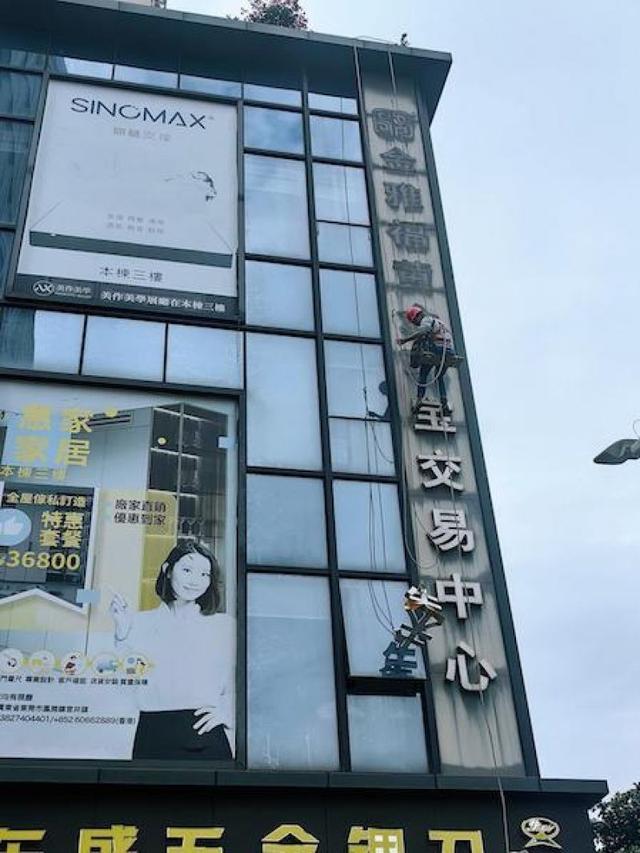
现场调查!拥有“黄金”招牌的金雅福爆雷后人去楼空,“买卖+委托”模式是否涉嫌非法吸存
Hua Xia Shi Bao· 2026-01-01 04:15
Core Viewpoint - The Shenzhen Jinyafu Holding Group, once a prominent player in the "China Top 500 Enterprises" list, has faced a sudden collapse by the end of 2025, transitioning from a symbol of wealth to a state of debt and disputes [2][3]. Group 1: Company Overview and Crisis Development - Jinyafu's crisis began in June 2025 when its high-yield financial products, centered around "golden entrusted purchase and sale," started experiencing interrupted returns, leading to widespread defaults by November, with estimated funds involved reaching 7 to 8 billion yuan [3][4]. - The company's headquarters in Shenzhen has become deserted, with reports of unpaid rent and utilities, indicating a complete operational shutdown [2][3]. Group 2: Investment Model and Legal Concerns - Jinyafu's investment model involved a dual contract structure, where investors signed a "gold physical purchase contract" and subsequently a "trust contract" with an affiliated company, promising fixed annual returns of 8% to 14% [6]. - Legal experts have pointed out that this model exhibits characteristics of a Ponzi scheme, as the promised high returns are not supported by actual profits from gold trading, which typically yields a net profit margin of only 2% to 3% [7][10]. Group 3: Investor Impact and Response - Many investors, including employees of Jinyafu, have reported significant financial losses, with some investing large sums under the belief of guaranteed returns, only to find themselves in a precarious situation as the company ceased operations [7][8][10]. - The local government has intervened, forming a task force to oversee the situation, while proposed solutions like "debt-to-equity swaps" have been met with skepticism from investors [12][14]. Group 4: Regulatory and Legal Implications - The case highlights regulatory gaps in the "industry + finance" crossover model, where Jinyafu exploited a lack of oversight by presenting itself as a legitimate trading entity while engaging in illegal fundraising activities [14][15]. - Legal experts suggest that if classified as illegal fundraising, the contracts could be deemed void, and investors may have the right to claim their funds back through law enforcement [14][15].

500强黄金企业“爆雷”追踪!相关部门已成立专班介入,“智慧金店”仍在营业
Zheng Quan Shi Bao· 2025-12-25 15:15
Core Viewpoint - The international gold price has reached a new high, but Jin Yafu Holdings Group, a former top 500 Chinese enterprise deeply involved in the gold industry, is facing an unprecedented liquidity crisis [1] Group 1: Company Situation - Jin Yafu has been reported to have delayed the redemption of some financial products, with its headquarters seemingly abandoned and employees initiating labor arbitration to recover unpaid wages [1] - The company's office in Shenzhen has been found empty, with a notice indicating the termination of the rental agreement, and a new address that has not been occupied [2] - The company has also faced investor claims, with reports of a significant number of labor arbitration notices found at its registered location [2][3] Group 2: Business Operations - Despite the ongoing crisis, Jin Yafu's "Smart Gold Store," which allows consumers to conduct gold recycling transactions, continues to operate, although there may be delays in fund transfers after gold recycling [4] - The service fee for gold jewelry has been adjusted to 4% of the total order amount, with a discount available, indicating attempts to alleviate financial pressure [4] Group 3: Investment Products and Risks - Jin Yafu previously promoted "gold entrusted investment" products, which required investors to sign contracts that may not have guaranteed actual gold investment, leading to concerns about the company's ability to meet redemption requests as gold prices rise [5][6] - The incident has highlighted the risks associated with the "gold entrusted" model, where funds may have been diverted to other projects rather than being secured by physical gold, raising alarms for investors [6] Group 4: Regulatory Response - Authorities have established a special task force to handle the situation, focusing on collecting and registering investor information for police processing [3]