黑釉瓷

Search documents
五千年前就有烧盐生产线?越国都城在哪?多个考古重磅发现公布
Yang Shi Wang· 2026-02-02 15:38
Group 1: Archaeological Discoveries - The discovery of a complete salt production line from the Liangzhu culture, dating back 4,800 to 4,600 years, showcases advanced organization and management of handcraft production in ancient times [1] - The excavation of the capital city of the Yue Kingdom in Shaoxing, along with the discovery of official documents from the Han and Six Dynasties, provides critical evidence for understanding the administrative structure of the region [2] - The identification of a high-level sacrificial site, likely the national altar of the Yue Kingdom, reveals significant insights into the religious practices and societal structure of the time [3] Group 2: Ceramic Technology Advancements - The discovery of a large "super dragon kiln" from the Eastern Han period in Ningbo, which is the largest and steepest of its kind in Zhejiang, offers key samples for studying the transition of Chinese ceramics from primitive to mature stages [4] - The revival of the secret color porcelain during the Northern Song period at the Phoenix Mountain site indicates a significant technological resurgence and its role in maritime trade [5] Group 3: Architectural Insights - The excavation of the Shennita and the Song Six Tombs reveals ancient construction philosophies, emphasizing the integration of architecture with natural landscapes and practical site selection for royal tombs [6]
2025年度浙江考古重大发现公布 宁波2处遗址入选
Xin Hua Wang· 2026-01-31 01:55
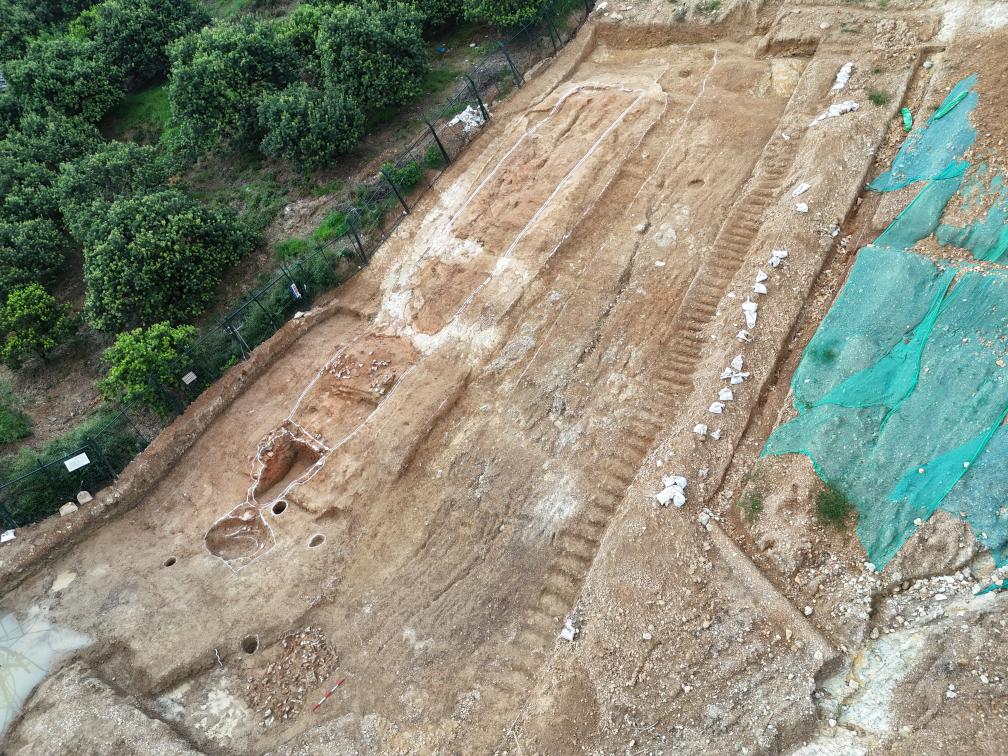
Group 1 - The 2025 major archaeological discoveries in Zhejiang include the successful selection of the Yujiao Bridge site and the Guotangao kiln site in Ningbo [2][3] - The Yujiao Bridge site covers an area of approximately 30,000 square meters, with archaeological excavations revealing over 250 relics, including house sites, tombs, and various artifacts totaling more than 1,400 items [2] - The findings at the Yujiao Bridge site provide significant insights into the cultural phases from Hemudu culture to the Shang and Zhou dynasties, indicating the settlement's importance during the Western Zhou to Spring and Autumn periods [2] Group 2 - The Guotangao kiln site features a 22.5-meter-long Eastern Han period dragon kiln, which is the largest and steepest of its kind discovered in Zhejiang [3] - A total of 292 small artifacts were unearthed at the Guotangao kiln site, primarily consisting of kiln tools and products, contributing new clues to the study of black glaze porcelain origins [3] - The Guotangao kiln site is positioned at a critical transitional area in the geographical distribution of early and mid-period Yue kilns, enhancing the understanding of the overall development of Yue kilns [3]

越窑考古新发现:浙江宁波发现一处东汉龙窑遗址
Xin Hua She· 2025-10-17 23:13
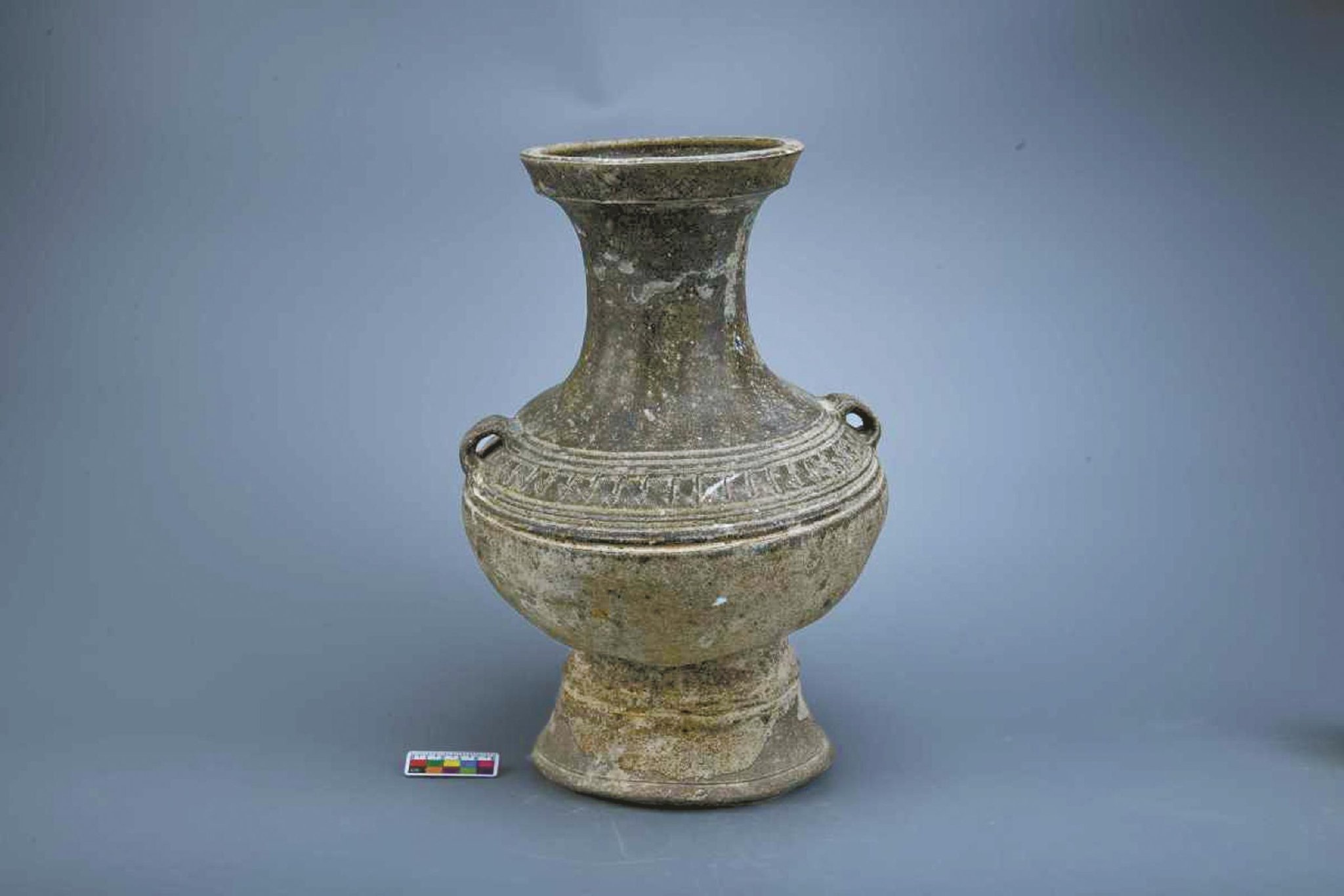
Core Insights - The discovery of a well-preserved Eastern Han dynasty Yue kiln site in Cicheng Town, Ningbo, highlights the historical significance of the region in porcelain production [1][9] - The archaeological excavation, approved by the National Cultural Heritage Administration, was conducted to support the construction of the Tongsujiaying Railway, revealing a 22.5-meter-long dragon kiln [3][4] Group 1: Archaeological Findings - The dragon kiln at Guotangao site consists of three main parts: the kiln head, kiln bed, and kiln tail, with a large fire chamber measuring approximately 2.2 meters deep [4] - The kiln bed is elevated by about 1.2 meters compared to the fire chamber, facilitating airflow and enhancing temperature control during the firing process [4] - Various types of porcelain and kiln tools were unearthed, including daily-use items such as jars, pots, and basins, predominantly featuring green and black glazes with typical Eastern Han decorative patterns [6][9] Group 2: Historical Context - The Yue kiln tradition began in the Eastern Han period and continued until the Southern Song dynasty, initially centered in Shaoxing and later shifting to the Cixi area [9] - The Guotangao kiln site represents a transitional phase in the development of Yue kiln craftsmanship, providing crucial insights into the evolution of black-glazed porcelain [9]