
青瓷

Search documents
吴越秘色瓷:轻旋薄冰盛绿云
Xin Lang Cai Jing· 2026-02-27 19:29
Core Viewpoint - The recent archaeological discoveries in the Zhejiang province, particularly related to the production of "Misei" porcelain, indicate a revival of this high-quality ceramic during the Northern Song Dynasty, challenging previous assumptions about its decline [12][15]. Archaeological Discoveries - Excavations at the Meipu kiln site in Linhai City have revealed evidence of a porcelain production hub that emerged around 150 kilometers south of the original production area at the Shanglin Lake during the Northern Song period [13]. - The Meipu kiln site has been identified as a significant location for the production of "Misei" porcelain, with findings including high-quality porcelain fragments and kiln tools, indicating advanced production techniques [13][15]. Historical Context - "Misei" porcelain, known for its exquisite quality, was produced at the Yue kiln in the Shanglin Lake area during the late Tang to early Song periods, but its production records became increasingly vague after the Song Dynasty [12]. - The discovery of "Misei" porcelain in various tombs across different dynasties, including the Northern Song and Liao, has helped clarify its historical significance and production locations [12]. Production Techniques - The use of glazed porcelain crucibles for firing "Misei" porcelain was a notable technique that allowed for high-quality production, which was not commonly used in other kilns during the same period [14][15]. - The archaeological findings suggest that the revival of "Misei" porcelain production at the Meipu kiln involved advanced techniques that were previously thought to have been abandoned [15]. Trade and Distribution - The Meipu kiln area is believed to have been a crucial center for porcelain trade during the Northern Song period, with evidence of a variety of ceramics from different regions found at the excavation site [16]. - The discovery of a dock area at the kiln site indicates that it may have served as a significant distribution point for porcelain, contributing to the understanding of the "Maritime Silk Road" during the Song Dynasty [16]. Regional Development - The archaeological work at the Meipu kiln and surrounding areas has helped to fill gaps in the historical narrative of porcelain production in Zhejiang, linking the development of the Yue kiln and the Longquan kiln [17]. - The findings from the Meipu and Shabu kilns illustrate a continuous evolution in porcelain production techniques and styles, highlighting the interconnectedness of different regional kilns in ancient China [17].


瓷韵茶香,守千年匠心
Xin Lang Cai Jing· 2026-02-08 17:26
Core Perspective - The article emphasizes the deep-rooted connection between traditional Chinese culture and craftsmanship, particularly through the art of porcelain making and tea brewing, highlighting the importance of preserving these cultural practices for future generations [2][3]. Group 1: Cultural Significance - Traditional Chinese culture is portrayed as a living entity, not merely a relic of the past, with the craftsmanship of porcelain and the ritual of tea drinking serving as vital links to heritage [3]. - The process of porcelain making is described as a meticulous art that requires dedication and patience, symbolizing the enduring nature of Chinese civilization [2][3]. Group 2: Craftsmanship and Tradition - The narrative illustrates the intricate steps involved in porcelain making, from kneading the clay to firing it in a kiln, which reflects the commitment of artisans to their craft [2]. - The unique characteristics of porcelain, such as the ice crack patterns, are likened to the imperfections in culture that contribute to its resilience and vitality [3]. Group 3: Personal Connection - The experience of engaging with traditional crafts fosters a deeper appreciation for cultural heritage, as seen through the act of brewing tea in a handmade porcelain cup [3]. - The article concludes with a call to action for individuals to become custodians of cultural traditions, ensuring that the essence of Chinese culture continues to thrive in modern times [3].
“福韵匠心”主题艺术精品展亮相省图
Xin Lang Cai Jing· 2026-02-06 00:22
Core Insights - The exhibition "Fuyun Ba Min: Book Fragrance Transmits Blessings - 2026 'Bamin Book Room'" is organized by the Provincial Culture and Tourism Department, focusing on "Fuk Culture" and promoting a multi-dimensional reading concept [1][2] - The event features five thematic exhibition areas: calligraphy, lacquer art, sculpture, ceramics, and paper-cutting, each showcasing different interpretations of "Fuk Culture" [1] - The exhibition will run until March 31 [3] Thematic Areas - The calligraphy area displays works by renowned local expert Chen Ji, illustrating various forms of the character "福" and embodying the spirit of "Longma" [1] - The lacquer art section features exquisite pieces such as Fuzhou's Taitai lacquer and floating lacquer art, highlighting the elegance of Min-style lacquer [1] - The sculpture area includes notable works made from Shoushan stone and Minnan brick carving, symbolizing good fortune [1] - The ceramics section showcases traditional items like Jian ware and Qing porcelain, representing the rich heritage of kiln fire blessings [1] - The paper-cutting area conveys auspicious patterns reflecting folk wishes for good fortune [1][2]
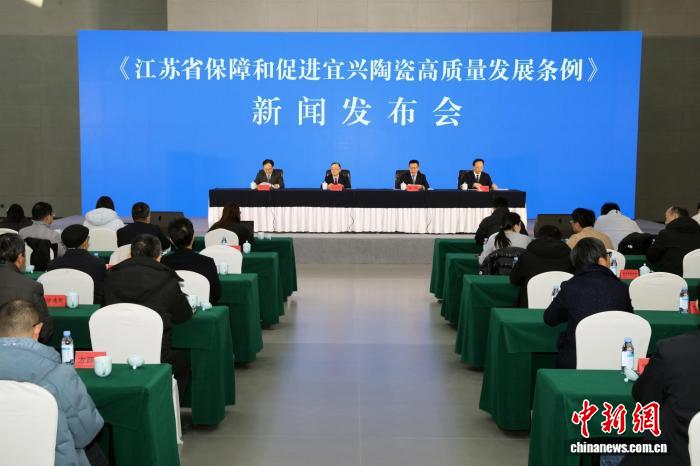
江苏出台首部省级陶瓷专项立法 护航宜兴陶瓷高质量发展
Zhong Guo Xin Wen Wang· 2026-01-22 05:46
Core Viewpoint - Jiangsu Province has introduced its first provincial-level legislation specifically aimed at promoting the high-quality development of Yixing ceramics, which will take effect on June 1 this year [1][2]. Group 1: Cultural Protection and Inheritance - The legislation includes a dedicated chapter for cultural protection, mandating the implementation of a cultural resource protection catalog and enhancing digital and emergency protection measures [3]. - It supports the application of Yixing ceramic intangible cultural heritage for national and world-level recognition and encourages innovation in techniques through collaboration with universities and enterprises [3]. - October is designated as "Yixing Ceramics Promotion Month" to enhance media promotion, museum construction, and digital displays, aiming to integrate ceramic culture with tourism and strengthen the city's brand influence [3]. Group 2: Tourism and Cultural Integration - The legislation details support measures for planning and constructing ceramic culture experience complexes and developing tourism projects related to Yixing ceramic culture [3]. - It encourages the development of cultural and creative industries and guides social investment in cultural industry parks, transforming cultural resources into developmental advantages [3]. Group 3: Innovation-Driven Development - The legislation focuses on cultivating new productive forces in the ceramic industry, emphasizing industrial transformation and upgrading, particularly in advanced ceramics for new energy and environmental protection [5]. - It supports the establishment of research platforms and collaborative innovation, encouraging enterprises to tackle key technologies and promoting digital and international transformation [5]. - The legislation aims to create a fair development environment by strengthening geographical indication protection and regulating market order [5]. Group 4: Service and Support Mechanisms - The legislation clarifies the responsibilities of various government levels and proposes a diversified funding mechanism to support the ceramic industry [5]. - It emphasizes the importance of talent cultivation and introduction, enhancing the evaluation system for talent, and promoting deep cooperation between ceramic professional schools and enterprises [5]. - The legislation aims to ensure reasonable land use for the ceramic industry and activate idle rural housing resources to support new business models and developments [5].
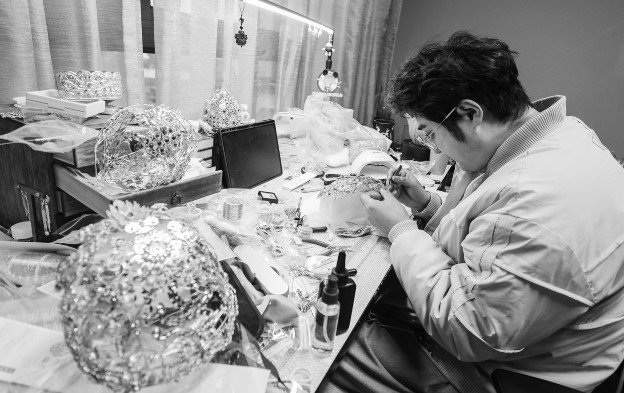
浙江慈溪:打造艺术村落推动特色产业发展
Xin Lang Cai Jing· 2025-12-24 20:50
Core Viewpoint - The article highlights the efforts of Cixi City in Zhejiang Province to promote rural revitalization through the integration of artistic villages and cultural tourism routes, supporting local artisans and entrepreneurs in traditional crafts [3]. Group 1: Industry Development - Cixi City is developing its rural economy by creating artistic villages and cultural tourism routes, which enhances the local tourism and specialty industries [3]. - The initiative provides entrepreneurial support to artisans such as Qingci craftsmen and Huasi inlay technique inheritors, attracting unique studios to the area [3]. Group 2: Talent Development - A multi-level, comprehensive talent training system is being established to cultivate skilled personnel in rural industries, focusing on the development of unique local talents [3]. - The emphasis on talent development is aimed at promoting the joint growth of industries and skilled workers, contributing to the overall rural revitalization efforts [3].
(第八届进博会)“链”全球机遇 浙江持续扩大国际“合作圈”
Zhong Guo Xin Wen Wang· 2025-11-10 13:40
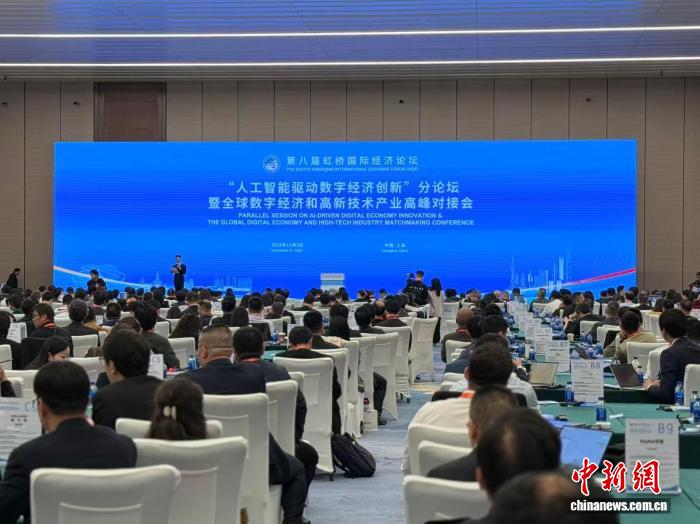
Core Insights - The eighth China International Import Expo (CIIE) held in Shanghai from November 5 to 10 serves as a platform for Zhejiang to integrate its industrial development into global supply chains and enhance international cooperation [1][2] Group 1: International Cooperation and Investment - Zhejiang actively seeks to expand its international cooperation circle by engaging in diverse investment and procurement activities during the CIIE [1] - A total of 24 foreign suppliers from 14 countries signed procurement agreements with 20 Zhejiang import enterprises, amounting to approximately 14.5 billion RMB [4] - The signing event for international medical supplies saw participation from several Fortune 500 companies, with a total contract value reaching 9 billion RMB [5] Group 2: Digital Economy and Technology - The eighth Hongqiao International Forum featured a sub-forum on "Artificial Intelligence Driving Digital Economy Innovation," where 300 leading companies from Zhejiang's digital economy engaged in discussions with foreign enterprises [2] - Since the first CIIE, over 500 foreign companies have interacted with more than 1,500 Zhejiang enterprises through various matchmaking events [2] Group 3: Cultural Exchange and Promotion - Zhejiang showcased its cultural heritage through performances and exhibitions, highlighting traditional industries such as tea, silk, and traditional Chinese medicine [6] - The "Lingdong Zhejiang" cultural exchange area featured performances that emphasized Jiangnan's cultural charm, enhancing the province's international image [6] Group 4: Trade and Business Promotion Activities - During the CIIE, Zhejiang organized over 30 key activities focused on international procurement, investment promotion, and open cooperation, including 13 promotional events [7] - The province's "Thousand Investment Personnel Go to CIIE" initiative involved over 1,800 investment professionals to enhance investment attraction efforts [7] - Various trade matching events were held to connect global resources, including a focus on cross-border services and investment environment promotion from countries like Mexico and Uzbekistan [7][8]
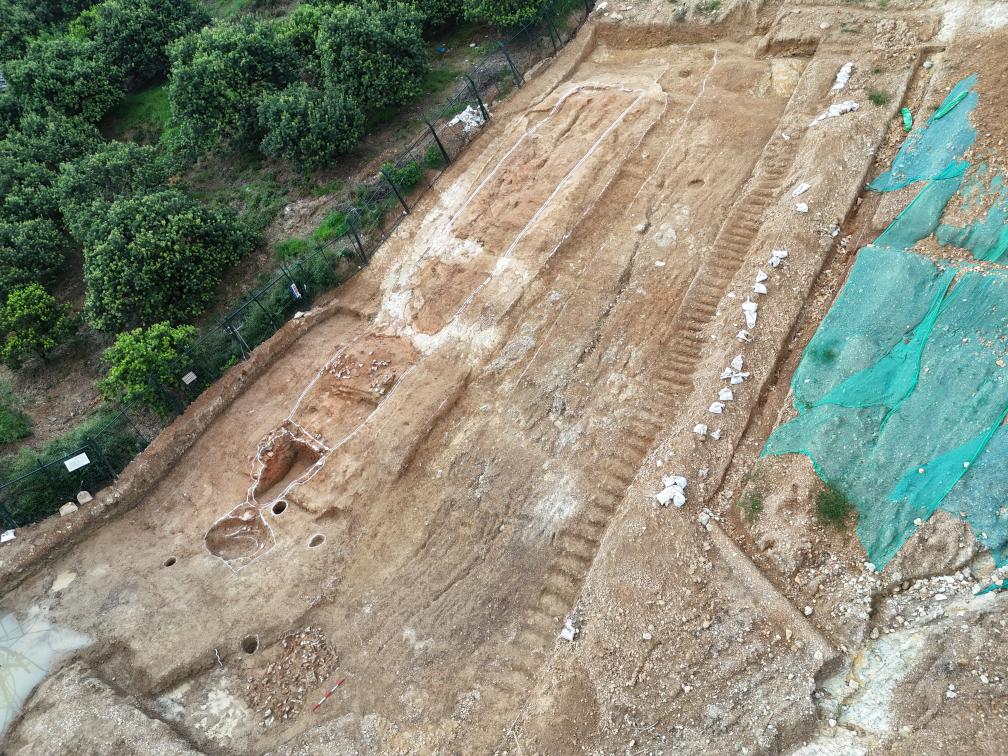
越窑考古新发现:浙江宁波发现一处东汉龙窑遗址
Xin Hua She· 2025-10-17 23:13
Core Insights - The discovery of a well-preserved Eastern Han dynasty Yue kiln site in Cicheng Town, Ningbo, highlights the historical significance of the region in porcelain production [1][9] - The archaeological excavation, approved by the National Cultural Heritage Administration, was conducted to support the construction of the Tongsujiaying Railway, revealing a 22.5-meter-long dragon kiln [3][4] Group 1: Archaeological Findings - The dragon kiln at Guotangao site consists of three main parts: the kiln head, kiln bed, and kiln tail, with a large fire chamber measuring approximately 2.2 meters deep [4] - The kiln bed is elevated by about 1.2 meters compared to the fire chamber, facilitating airflow and enhancing temperature control during the firing process [4] - Various types of porcelain and kiln tools were unearthed, including daily-use items such as jars, pots, and basins, predominantly featuring green and black glazes with typical Eastern Han decorative patterns [6][9] Group 2: Historical Context - The Yue kiln tradition began in the Eastern Han period and continued until the Southern Song dynasty, initially centered in Shaoxing and later shifting to the Cixi area [9] - The Guotangao kiln site represents a transitional phase in the development of Yue kiln craftsmanship, providing crucial insights into the evolution of black-glazed porcelain [9]
浙江20年持续深化文化建设“八项工程”
Ren Min Ri Bao· 2025-07-29 22:22
Group 1 - The core viewpoint emphasizes the continuous cultural development in Zhejiang, transitioning from a cultural province to a culturally strong province over the past 20 years, driven by the implementation of the "Eight Projects" in cultural construction [1][12][15] - The public cultural service system in Zhejiang is increasingly refined, with initiatives like "shared grandmothers" volunteer service and community libraries enhancing local cultural engagement [2][4][7] - The focus has shifted from merely providing public cultural services to ensuring their quality, indicating a commitment to improving the overall cultural experience for residents [5][7] Group 2 - Zhejiang has established a comprehensive cultural heritage resource system, emphasizing the protection and promotion of historical and cultural sites, such as the Grand Canal and various intangible cultural heritage projects [9][11][15] - The province is actively promoting the creative transformation and innovative development of traditional culture, with significant investments in cultural industries, including digital culture and creative design [12][14][15] - The cultural industry in Zhejiang is thriving, with notable achievements in film, animation, and literature, contributing to the growth of cultural service trade and enhancing the province's cultural footprint globally [13][14]
浙江历史经典产业展在大阪世博会中国馆举行
Xin Hua Wang· 2025-07-14 08:13
Group 1 - The "Zhejiang Week" event at the 2025 Osaka Expo has commenced, showcasing Zhejiang's cultural heritage and innovation [1][2] - The exhibition features two main thematic areas: "The Source of Jiangnan, Continuation of Cultural Heritage" focusing on traditional crafts like celadon and silk, and "Innovative Craftsmanship, New Inheritance" highlighting product innovation and technological upgrades [1] - The exhibition atmosphere is vibrant, with numerous visitors admiring works from national and provincial intangible cultural heritage inheritors, showcasing the revival of traditional crafts [1] Group 2 - The display of non-heritage skills such as Song Dynasty tea ceremony and Hangzhou embroidery has garnered significant interest from attendees [2] - Over twenty innovative products from historical classic industries were showcased, blending cultural essence with modern aesthetics and market demands [2] - The exhibition aims to comprehensively present Zhejiang's achievements in the protection, inheritance, and innovative development of historical classic industries to the international community [2]
三国名将今又见:访朱然家族墓地|访古
Jing Ji Guan Cha Bao· 2025-06-13 00:35
Group 1 - Zhu Ran was a notable general of the Eastern Wu during the Three Kingdoms period, known for his military achievements and close relationship with Sun Quan [2][4] - Zhu Ran's family background includes his adoptive father Zhu Zhi, who was a significant figure in the Eastern Wu, and his biological father Shi Chong [6] - The discovery of Zhu Ran's tomb was accidental during a warehouse expansion in 1984, leading to a significant archaeological excavation [9] Group 2 - The tomb of Zhu Ran is characterized by its large structure, consisting of a front and back chamber, with a total length of 9.1 meters and a depth of 3.6 meters [11] - Over 140 burial items were unearthed from Zhu Ran's tomb, including lacquered wooden artifacts, ceramics, and coins, indicating the wealth and status of the burial [15][20] - Notable artifacts include a lacquered tray depicting court life, which reflects the high craftsmanship of the period and serves as a historical narrative of the era [26] Group 3 - The tomb contained significant items such as wooden name cards and a lacquered case, which were used to denote the identity and status of the deceased [22][24] - The presence of a lacquered tray with a depiction of a royal banquet suggests the cultural practices and social hierarchies of the time [26][28] - The tomb's opulence, despite Zhu Ran's personal preference for simplicity, indicates the high regard in which he was held by Sun Quan and the Eastern Wu [28]