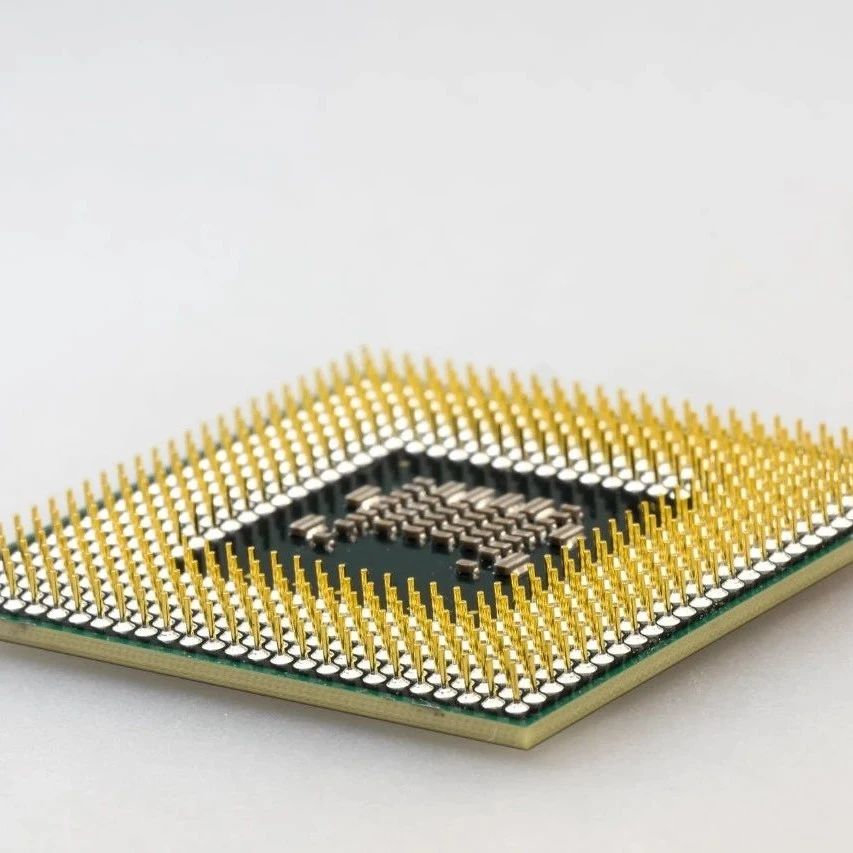
12纳米制程

Search documents
联电2026年展望:技术合作与硅光子布局成焦点
Jing Ji Guan Cha Wang· 2026-02-12 17:43
Group 1 - The core viewpoint highlights key events and dynamics that may impact UMC's operations and market from Q1 2026 to 2027, based on company financial reports and industry analysis [1] Group 2 - Recent notable events include UMC's collaboration with Intel on a 12nm process platform, with small-scale trial production expected by 2027, and potential licensing of "supercapacitor" technology, though details remain undisclosed [2] - UMC is advancing its silicon photonics (CPO) application development at its Singapore facility, planning to provide design tools (PDK) to customers by 2027, although formal production is still some time away [2] - The company may benefit from order overflow as TSMC reduces capacity in mature processes from 90nm to 40nm, with Citigroup noting UMC's niche technology advantages, though actual order transfers may take at least six months [2] - UMC's Q1 2026 outlook is conservative, expecting stable wafer shipments and strong average selling prices, but a potential decline in gross margin to around 20% and a capacity utilization rate in the mid-70% range [2] - The capital expenditure budget for 2026 is set at $1.5 billion, aimed at capacity expansion and technology upgrades, slightly adjusted from the $1.6 billion spent in 2025 [2] Group 3 - Long-term growth drivers include UMC's leadership in embedded high-voltage and non-volatile memory special processes, with expectations that advanced packaging and silicon photonics technologies will drive demand in AI and automotive applications post-2026 [3] Group 4 - UMC reported Q4 2025 revenue of $1.97 billion, exceeding market expectations, although earnings slightly missed forecasts with a GAAP EPS of $0.129. The revenue share from 22/28nm processes increased to 36%, indicating product structure optimization [4] - The company anticipates overall shipment growth in 2026, with the second half potentially outperforming the first half [4]

“成熟制程要避免杀戮”
半导体芯闻· 2025-05-28 10:17
Core Viewpoint - The company is facing uncertainty in the second half of the year due to fluctuating tariffs and geopolitical risks, but emphasizes the importance of its collaboration with Intel on the 12nm project as a strategic necessity [1][2]. Group 1: Financial Outlook - The company’s CFO noted that visibility for the second half of the year is limited, with clients adopting a wait-and-see approach and reducing inventory levels [1]. - The appreciation of the New Taiwan Dollar (NTD) is expected to significantly impact the company's performance, with a 1% increase in NTD eroding approximately 0.4% of the gross margin [1]. - The average exchange rate has shifted from around 32.5-33 NTD per USD to approximately 30 NTD per USD, which poses challenges for revenue [1]. Group 2: Strategic Partnerships - The collaboration with Intel is structured around a division of labor, with manufacturing taking place at Intel's facilities in the U.S. and a focus on joint research and development [2]. - The company aims to maintain a competitive edge by offering customized processes that competitors cannot provide, particularly as it transitions from 28nm to 22nm processes [2]. - The trend of "China for China, Non-China for Non-China" is becoming more pronounced, with an increasing proportion of local customers in the company's factories in China, indicating a rise in domestic demand [2].