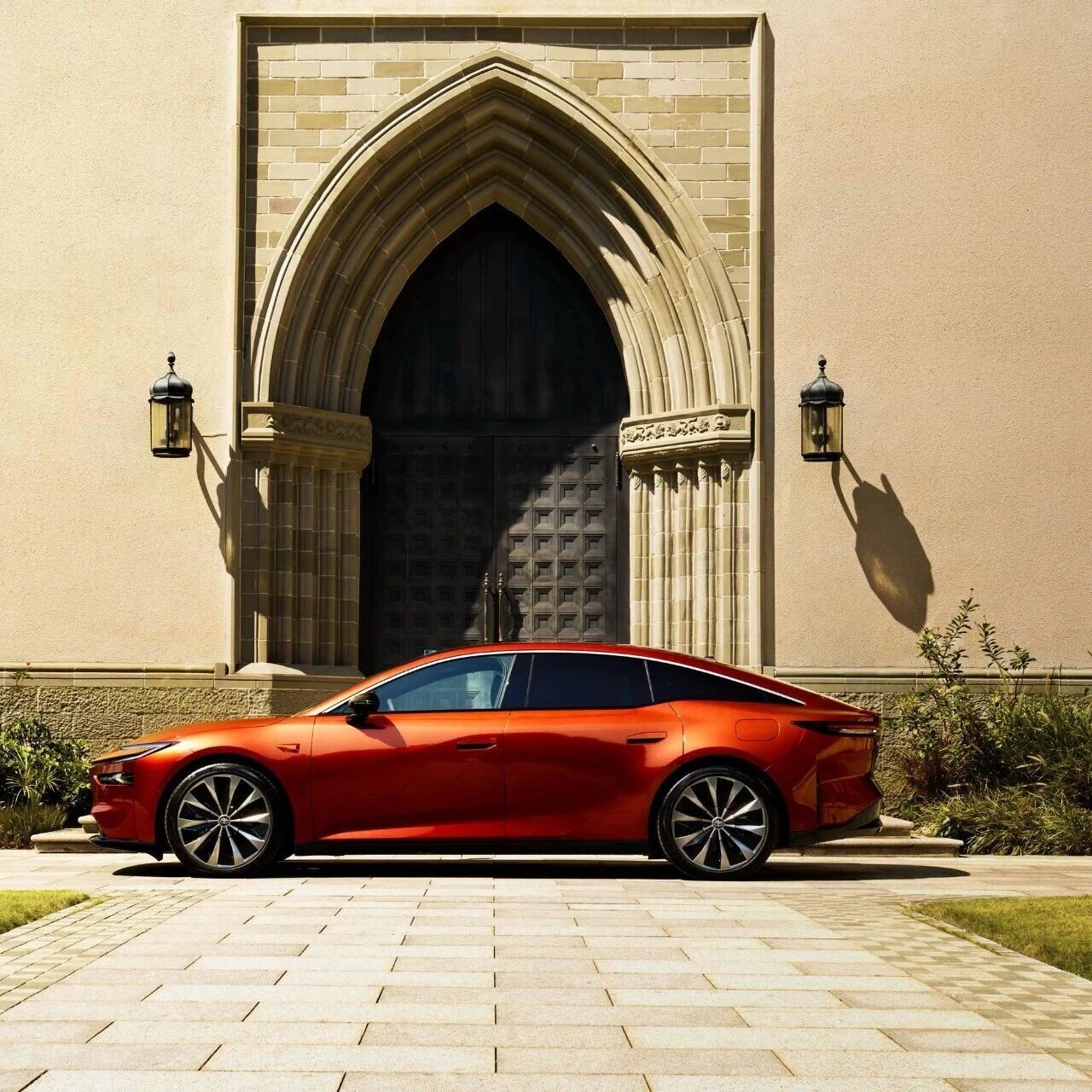
2026款全球车

Search documents
合资品牌做不好智能化?2026年广汽丰田亮出新牌
Di Yi Cai Jing· 2026-02-06 12:35
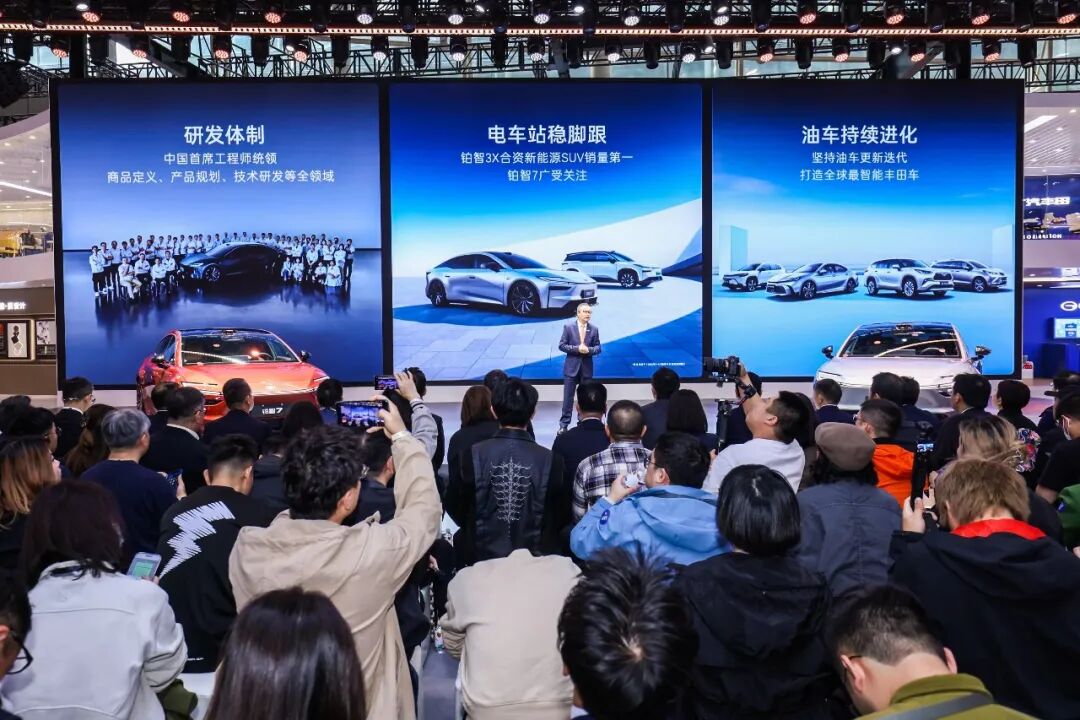
Core Insights - The automotive market in China is expected to undergo significant changes by 2025, with a focus on "intelligentization," where the penetration rate of smart features is projected to exceed 64% [1] - GAC Toyota is adopting a "practicality" approach to intelligent features, emphasizing usability and reliability over unique functionalities, setting a benchmark for joint venture brands in their smart transformation [3] Industry Trends - By 2026, the market for smart cockpits in China is forecasted to reach 212.7 billion yuan, with a compound annual growth rate of over 17% [1] - The penetration rates for L2 and L3 autonomous driving features are expected to reach 21% and 22% respectively, as major companies implement "smart driving equality" strategies [1] - A shift in consumer preferences is noted, with 40.08% of respondents unwilling to pay extra for smart driving systems, indicating a need for practical and reliable features rather than just a plethora of options [4] GAC Toyota's Strategy - GAC Toyota's "Fusion 2030" strategy aims to achieve intelligent breakthroughs in both fuel and new energy vehicles, with the 2026 global models featuring high-performance Qualcomm Snapdragon 8155 chips and advanced smart driving systems [1][5] - The company is focusing on a comprehensive smart product matrix that includes both fuel and electric vehicles, ensuring that all models meet user demands for intelligent features [4][5] - GAC Toyota's approach includes a commitment to stability over rapid iteration, with a focus on long-term reliability and user-friendly experiences [5][8] Product Innovations - The upcoming Platinum series, including the Platinum 7, is positioned as a luxury electric vehicle with advanced smart features, targeting a market segment that combines affordability with high-end specifications [6][11] - The Platinum 7 will utilize the Momenta R6 intelligent driving solution, backed by extensive training data, ensuring a high level of reliability and safety [8][9] - GAC Toyota emphasizes the importance of practical features, such as wireless charging and multi-device connectivity, addressing common consumer pain points [5][9] Market Positioning - GAC Toyota aims to capture over 20% of its sales from new energy vehicles by 2026, with a strategic focus on the mainstream and high-end electric vehicle markets [6][11] - The company is leveraging its engineering capabilities and partnerships to enhance its product offerings, ensuring that they meet both local and global standards [11][12] - GAC Toyota's commitment to user-centered design and practical solutions positions it favorably in the competitive landscape of automotive intelligentization [12]

合资品牌做不好智能化?2026年广汽丰田亮出新牌
第一财经· 2026-02-06 11:40
Core Viewpoint - The automotive market in 2025 will be significantly transformed by "intelligentization," with a projected penetration rate of over 64% in China, making L2-level assisted driving a standard feature and L3-level autonomous driving trials underway [1] Group 1: Industry Trends - By 2026, the penetration rates for highway NOA and urban NOA are expected to reach 21% and 22% respectively, as leading companies adopt a "smart driving equality" strategy [1] - The market for intelligent cockpits in China is projected to reach 212.7 billion yuan by 2026, with a compound annual growth rate exceeding 17% over five years [1] - The intelligentization focus among automakers is shifting from "full-featured smart driving" to "unique intelligent features," with many features being more marketing gimmicks than practical solutions [1] Group 2: GAC Toyota's Strategy - GAC Toyota's "Fusion 2030" strategy aims for simultaneous intelligent breakthroughs in both fuel and new energy vehicles, with the 2026 global models featuring the Qualcomm Snapdragon 8155 chip and large screens as standard [2] - GAC Toyota emphasizes practical and durable intelligent features over uniqueness, providing a viable model for other joint venture brands in their intelligent transformation [4] - The company is focusing on upgrading the basic experience for fuel vehicles while positioning new energy vehicles as luxury offerings, creating a comprehensive intelligent product matrix [6] Group 3: Consumer Insights - A survey indicates that 40.08% of respondents are unwilling to pay extra for intelligent driving systems, and over 80% are concerned about system reliability leading to accidents, highlighting the need for practical and reliable intelligent features [6] - The 2025 J.D. Power survey shows that "system stability," "functional practicality," and "after-sales response speed" have become core evaluation metrics, surpassing "feature richness" for consumers [6] Group 4: Product Development - GAC Toyota's 2026 global models will feature the Snapdragon 8155 chip across all variants, enhancing computational power and enabling multi-dimensional data processing [7] - The company is committed to a "stability over rapid iteration" approach, ensuring that the L2-level TSS intelligent driving system is standard across all models, validated by extensive testing [8] - The introduction of the Platinum 7, a luxury pure electric flagship sedan, aims to fill the gap in the high-end electric vehicle market, with a target of over 20% sales from new energy vehicles by 2026 [10] Group 5: Intelligent Features and Safety - The Platinum 7 will utilize the Momenta R6 intelligent driving solution, backed by extensive training data, ensuring reliability and safety in various driving scenarios [12] - GAC Toyota's unique "manufacturer triple responsibility" policy and comprehensive coverage of intelligent features at delivery aim to enhance user experience and confidence [12] - The intelligent suspension system in the Platinum 7, typically found in luxury models, is designed for comfort and control, ensuring long-term reliability [13] Group 6: Future Outlook - GAC Toyota aims to achieve an annual production and sales target of 800,000 units by 2026, with new energy vehicles making up over 20% of sales, positioning itself as a leader in the intelligent transformation of joint venture brands [17] - The company's focus on user-centered design and practical solutions is expected to bring tangible benefits to consumers in the evolving automotive market [17]