4NE1

Search documents
美国CES,又被中国人形机器人包围了
机器人圈· 2026-01-08 10:13
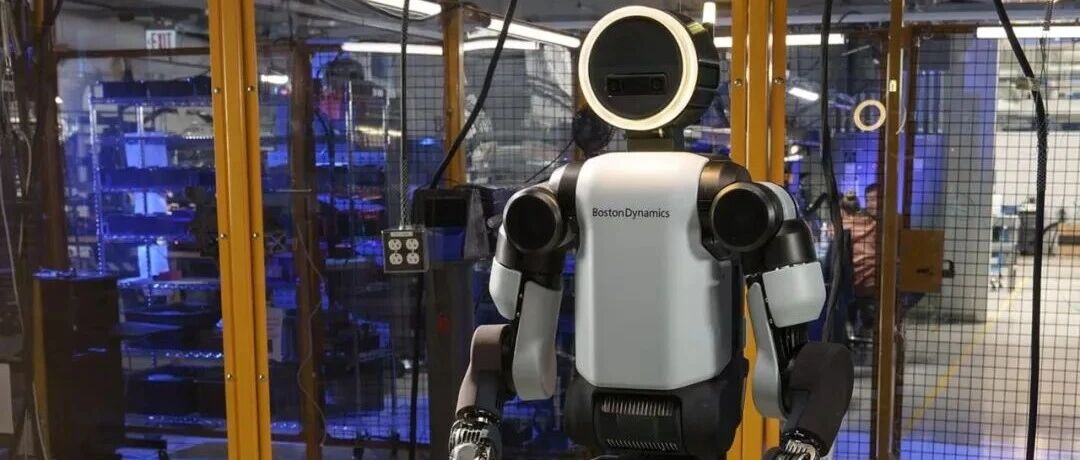
Core Insights - The article highlights the significant presence of Chinese companies at CES 2026, particularly in the humanoid robot sector, showcasing a shift from isolated technology displays to a complete industrial chain structure [6][14]. Group 1: Chinese Companies at CES 2026 - A total of 598 exhibitors related to robotics participated in CES 2026, with 149 coming from China, accounting for nearly one-fourth of the total [3]. - In the humanoid robot segment, 38 exhibitors were recorded, with 21 from China, representing over half of the participants [3]. - Notable Chinese exhibitors included Yushu Technology, which showcased the mass production version of the G1 humanoid robot, and Cloud Deep Technology, which presented the upgraded X30 series [7][9]. - Other companies like ZhiYuan Robotics and ZhongQing Robotics displayed a range of humanoid and bionic robots, emphasizing their capabilities in various applications [7][12]. Group 2: Global Competitors - American companies, such as Boston Dynamics and Hyundai, focused on the industrial application of humanoid robots, with the Atlas robot demonstrating advanced motion capabilities [15][17]. - Korean firms, represented by the K-Humanoid Alliance, showcased their ambitions in humanoid robotics, emphasizing collaboration between research institutions and industry [18][19]. - European companies, including NEURA Robotics and Humanoid, targeted industrial applications, highlighting their engineering prototypes and modular systems [23][25]. Group 3: Industry Trends and Future Directions - The article notes a shift in the perception of humanoid robots, moving from feasibility discussions to practical applications in various sectors, including industrial, household, and service environments [31]. - Different countries are adopting distinct strategies: China focuses on product showcases and mass production, the U.S. emphasizes industrial deployment and system capabilities, Korea integrates research and industry through alliances, and Europe approaches the market through industrial humanoid robots [31].

从公益社工到10亿美元估值CEO:一个德国人的机器人中国梦
创业邦· 2025-10-28 04:19
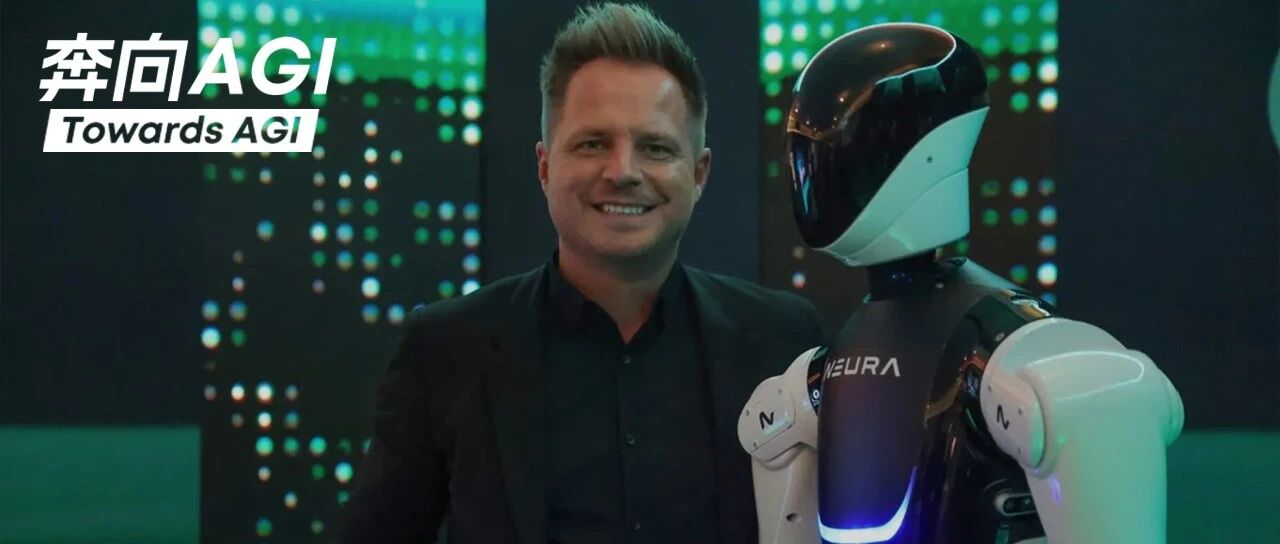
Core Viewpoint - Neura Robotics aims to revolutionize the robotics industry by enabling robots to learn skills from the cloud, significantly reducing training time and enhancing their capabilities [2][19]. Company Overview - Neura Robotics was founded in 2019 by David Reger in Germany, with a vision to use robots to serve humanity [3]. - The company has launched several industrial collaborative robots and a humanoid robot, catering to various industries such as logistics, healthcare, and manufacturing [3]. - Neura has established its China headquarters in Hangzhou, with an investment of €135 million to create a robotics R&D and manufacturing collaboration center [3]. Funding and Valuation - In early 2023, Neura completed a €120 million Series B funding round, with investors including Lingotto, Volvo, and Delta Electronics, achieving a valuation close to $1 billion [4]. - The company has over €1 billion in orders, positioning it as a rising star in the robotics sector [4]. Technological Innovation - Neura's first collaborative robot, MAiRA, features multi-sensor fusion technology and has been successfully deployed in industrial settings [11]. - The company is developing a cloud platform called Neuraverse, which aims to enhance robot learning efficiency by utilizing real-world and simulated data [16][24]. Training Methodology - Traditional robot training requires extensive repetition, often taking 2,000 hours to learn tasks [18]. Neura aims to reduce this to just 2 hours through its innovative training methods [19]. - The Neura Gym, a physical training center for robots, allows them to learn various skills in realistic environments, significantly improving training efficiency [23]. Market Strategy - Neura is expanding its operations in China, leveraging local supply chain advantages for mass production [33]. - The company has signed contracts with both German and Chinese enterprises, focusing on joint innovation and large-scale application of its technologies [31]. Future Outlook - Neura's strategy prioritizes the development of the Neuraverse platform over mass production, indicating a focus on data-driven solutions in the robotics industry [33]. - The company is also exploring acquisition strategies to enhance its production capabilities and meet growing demand [29][32].