
AI文本转语音产品

Search documents
诸葛亮飙英文、唐僧反内耗……AI「魔改」的边界在哪?
Yang Shi Xin Wen· 2025-12-14 09:53
Core Viewpoint - The rise of AI "magic modification" videos, which alter classic film and television dialogues using AI technology, raises concerns about copyright infringement and the impact on traditional cultural perceptions [3][9][12]. Group 1: AI Modification Technology - AI modification allows creators to easily alter dialogues in videos, with low technical barriers enabling widespread participation [7][10]. - The process involves uploading original audio and selecting emotional styles to generate realistic voiceovers in minutes, significantly reducing the complexity compared to traditional methods [9][10]. Group 2: Legal and Ethical Concerns - The National Radio and Television Administration has issued warnings about AI-modified videos, stating they may violate copyright laws and undermine the essence of original works [3][12]. - The first case of "AI voice infringement" in China ruled that unauthorized use of a voice constitutes infringement, resulting in a compensation of 250,000 yuan [9][12]. - Legal experts emphasize that whether AI modifications are lawful depends on the context of use, with potential for reasonable use under copyright law if the modifications serve critical or satirical purposes [13].

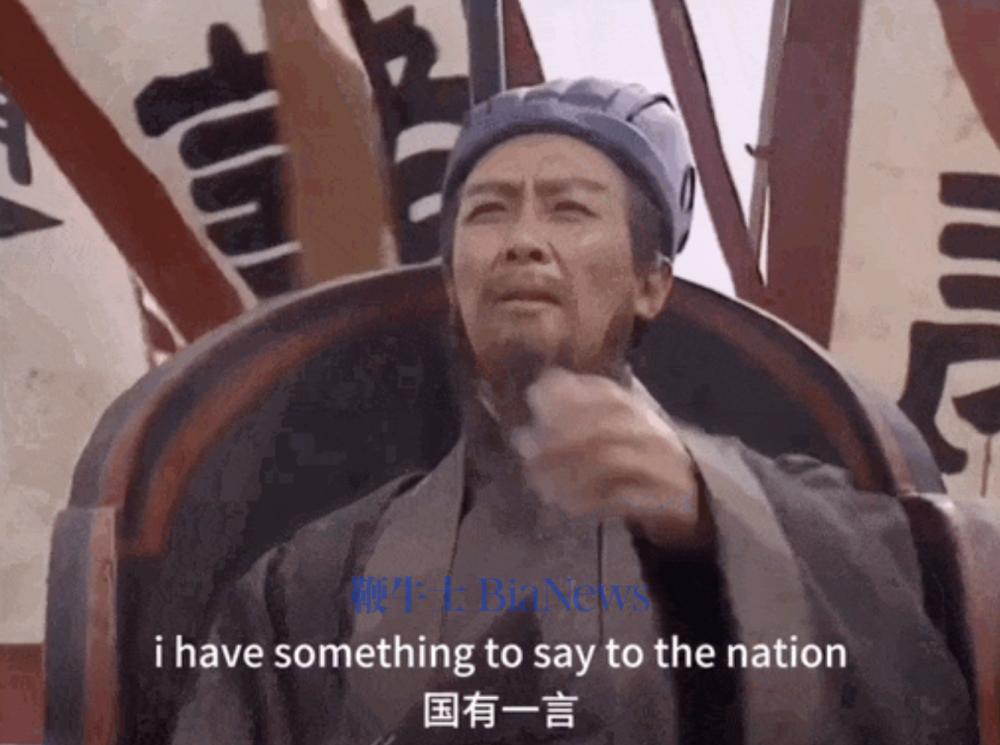
当“魔改配音”成为流量密码 AI“二创”狂欢下的失序如何规范?
Yang Guang Wang· 2025-12-11 03:00
Core Viewpoint - The rise of AI-modified videos, which alter classic film and television dialogues, poses significant challenges to traditional cultural values and intellectual property rights, as highlighted by the National Radio and Television Administration's concerns about these practices [1][6]. Group 1: AI Modification and Its Popularity - AI technology allows creators to modify classic film dialogues seamlessly, resulting in videos that can achieve millions of views and likes on short video platforms [2][3]. - The low technical barrier for creating AI-modified content has led to an explosion in the number of such videos, as users can easily generate convincing voiceovers and character animations [4][5]. Group 2: Legal and Ethical Implications - The legal boundaries of using AI-modified content remain unclear, with potential infringement risks depending on the context of use, such as whether the modification serves a critical or satirical purpose [6][7]. - The first case of AI voice infringement in China resulted in a ruling that recognized the original voice actor's rights, emphasizing the need for legal frameworks to protect against unauthorized use of voice and likeness [5][6]. Group 3: Industry Perspectives - Industry experts express concerns that AI-modified content undermines the original works' integrity and cultural significance, raising ethical questions about the motivations behind such creations [6][7]. - The proliferation of AI tools for content creation has led to a lack of awareness regarding copyright issues, with many creators operating under the assumption that they will not face legal repercussions [7].