
AI声音侵权

Search documents
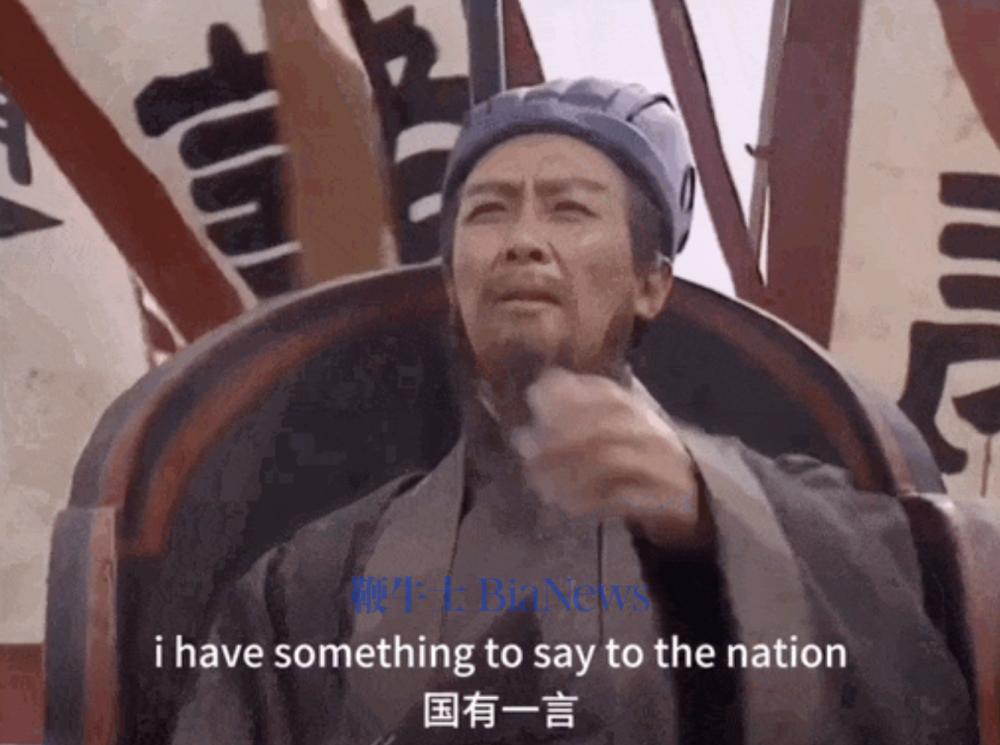
诸葛亮飙英文、唐僧反内耗……AI「魔改」的边界在哪?
Yang Shi Xin Wen· 2025-12-14 09:53
Core Viewpoint - The rise of AI "magic modification" videos, which alter classic film and television dialogues using AI technology, raises concerns about copyright infringement and the impact on traditional cultural perceptions [3][9][12]. Group 1: AI Modification Technology - AI modification allows creators to easily alter dialogues in videos, with low technical barriers enabling widespread participation [7][10]. - The process involves uploading original audio and selecting emotional styles to generate realistic voiceovers in minutes, significantly reducing the complexity compared to traditional methods [9][10]. Group 2: Legal and Ethical Concerns - The National Radio and Television Administration has issued warnings about AI-modified videos, stating they may violate copyright laws and undermine the essence of original works [3][12]. - The first case of "AI voice infringement" in China ruled that unauthorized use of a voice constitutes infringement, resulting in a compensation of 250,000 yuan [9][12]. - Legal experts emphasize that whether AI modifications are lawful depends on the context of use, with potential for reasonable use under copyright law if the modifications serve critical or satirical purposes [13].

真人配音到一半被AI接管,配音员发文怒怼,亚马逊紧急下架视频
21世纪经济报道· 2025-11-13 05:09
Core Viewpoint - The article discusses the controversy surrounding Amazon's "Sailor Star Project," focusing on the unauthorized use of a voice actor's recordings for AI training, highlighting the lack of oversight in outsourcing and the emerging risks of AI copyright issues in the industry [1][17]. Group 1: Controversy Overview - Amazon's "Sailor Star Project" faced a halt due to allegations from voice actor Mu Xueting regarding the unauthorized use of her voice in episodes 4-7, which she did not record [1][4]. - The production company, Shanghai Heiye Culture, acknowledged a work oversight but did not address the AI-related concerns directly [1][7]. - The incident reflects a broader issue of inadequate supervision by large companies over their outsourcing chains and a general lack of awareness regarding AI copyright in the market [1][19]. Group 2: Industry Response and Legal Context - Mu Xueting noted that the industry has become more vigilant about AI usage, often including clauses in contracts to prevent AI exploitation, although enforcement remains challenging [2][9]. - The article mentions a recent legal precedent in China where a court ruled on an AI voice infringement case, emphasizing that unauthorized use of a person's voice for AI training constitutes infringement [14][15]. - The legal landscape is evolving, with the inclusion of "voice rights" in China's civil code, which recognizes the need for protection against unauthorized voice usage [14][15]. Group 3: Company Dynamics and Market Trends - Amazon has been scaling back its operations in China, focusing on advertising and global selling, which may impact its accountability in such controversies [17]. - The production company involved, Heiye Culture, is a small firm that primarily handles cultural and marketing projects, raising questions about the effectiveness of oversight in the production process [17][18]. - The article highlights the increasing accessibility of AI voice cloning technology, which poses a significant threat to voice actors as the barriers to entry for creating synthetic voices are lowering [10][14].

真人配音到一半被AI接管,亚马逊中国陷声音侵权风波
2 1 Shi Ji Jing Ji Bao Dao· 2025-11-13 03:06
Core Viewpoint - The controversy surrounding Amazon's "Sailor Star Project" highlights the lack of oversight in outsourcing chains and the growing issue of AI copyright awareness in the industry [1][10]. Group 1: Event Overview - Amazon's "Sailor Star Project," a marketing initiative featuring 15 domestic brands, was paused due to a dispute over the unauthorized use of a voice actor's recordings for AI training [1][2]. - Voice actor Mu Xue Ting raised concerns after discovering her voice was used in episodes 4-7 of the series without her consent, despite only recording for the first three episodes [1][3]. Group 2: Company Responses - The production company, Shanghai Heiye Culture Communication, acknowledged a work oversight but did not address the AI controversy directly [4]. - Both Amazon China and Heiye Culture have not provided comments on the situation, although internal investigations are reportedly underway [1][4]. Group 3: Industry Implications - The incident underscores the increasing risks of AI infringement in the voice acting industry, as many professionals are now adding clauses to contracts to prevent their work from being used for AI purposes [2][6]. - The rapid advancement of voice synthesis technology has made it easier for AI to replicate voices, raising concerns about the potential for infringement and the difficulty of enforcement [6][7]. Group 4: Legal Context - A recent legal case in China established that unauthorized use of a voice for AI training constitutes infringement, highlighting the need for clearer boundaries regarding voice rights [7][10]. - The legal landscape is evolving, with the recognition of "voice rights" under Chinese law, which parallels protections for personal image rights [7]. Group 5: Amazon's Market Position - Amazon has been scaling back its operations in China, focusing primarily on advertising and logistics, following a withdrawal from the direct retail market [8]. - The company has faced challenges, including a decline in advertising spending and workforce reductions, which may impact its ability to manage external partnerships effectively [8][9].