著作权

Search documents
当“魔改配音”成为流量密码 AI“二创”狂欢下的失序如何规范?
Yang Guang Wang· 2025-12-11 03:00
Core Viewpoint - The rise of AI-modified videos, which alter classic film and television dialogues, poses significant challenges to traditional cultural values and intellectual property rights, as highlighted by the National Radio and Television Administration's concerns about these practices [1][6]. Group 1: AI Modification and Its Popularity - AI technology allows creators to modify classic film dialogues seamlessly, resulting in videos that can achieve millions of views and likes on short video platforms [2][3]. - The low technical barrier for creating AI-modified content has led to an explosion in the number of such videos, as users can easily generate convincing voiceovers and character animations [4][5]. Group 2: Legal and Ethical Implications - The legal boundaries of using AI-modified content remain unclear, with potential infringement risks depending on the context of use, such as whether the modification serves a critical or satirical purpose [6][7]. - The first case of AI voice infringement in China resulted in a ruling that recognized the original voice actor's rights, emphasizing the need for legal frameworks to protect against unauthorized use of voice and likeness [5][6]. Group 3: Industry Perspectives - Industry experts express concerns that AI-modified content undermines the original works' integrity and cultural significance, raising ethical questions about the motivations behind such creations [6][7]. - The proliferation of AI tools for content creation has led to a lack of awareness regarding copyright issues, with many creators operating under the assumption that they will not face legal repercussions [7].
朱阁谈涉AI官司审判:找到背后的人,由人享有权利承担责任
Nan Fang Du Shi Bao· 2025-11-09 08:27
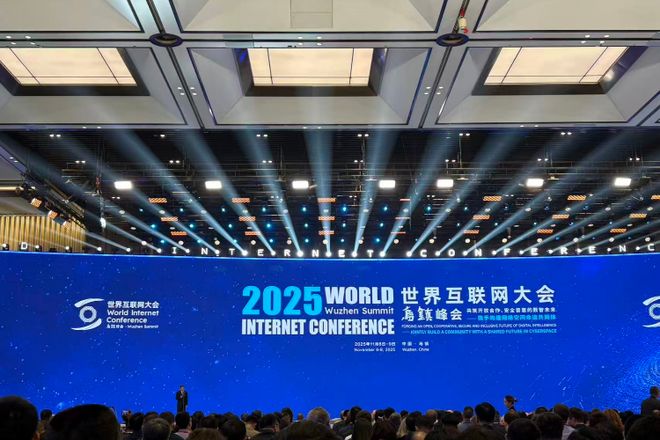
Group 1 - The World Internet Conference in Wuzhen hosted a forum focused on "Constructing Consensus on Good Laws and Governance for Artificial Intelligence" [2] - Judge Zhu Ge from the Beijing Internet Court shared multiple judicial cases involving AI, emphasizing the importance of identifying the individuals behind AI technologies who should hold rights and responsibilities [2][4] - A notable case discussed involved the first national copyright infringement case related to AI-generated images, where the court ruled that the creator of the prompt for the AI tool holds copyright, not the AI itself [2][3] Group 2 - In another case regarding the obligation to identify AI-generated content, the court ruled against a platform that failed to label AI-generated content, highlighting the platform's responsibility to provide evidence [3] - Zhu Ge stressed the need for precise standards in cases of personality rights infringement, differentiating between public and private dissemination of AI-generated content [3] - The discussion on virtual digital humans indicated that existing legal frameworks should be applied to assess rights protection, regardless of the technological advancements [3][4] Group 3 - Zhu Ge summarized three key principles in AI judicial practice: ruling based on existing laws to provide market stability, identifying the individuals behind AI to assign rights and responsibilities, and forming rules through case-by-case recognition to balance innovation and interest protection [4] - The approach emphasizes using judicial rulings to establish rules, which in turn promote governance and support development [4]

汪苏泷和张碧晨在争什么,我搞明白了
3 6 Ke· 2025-07-30 00:55
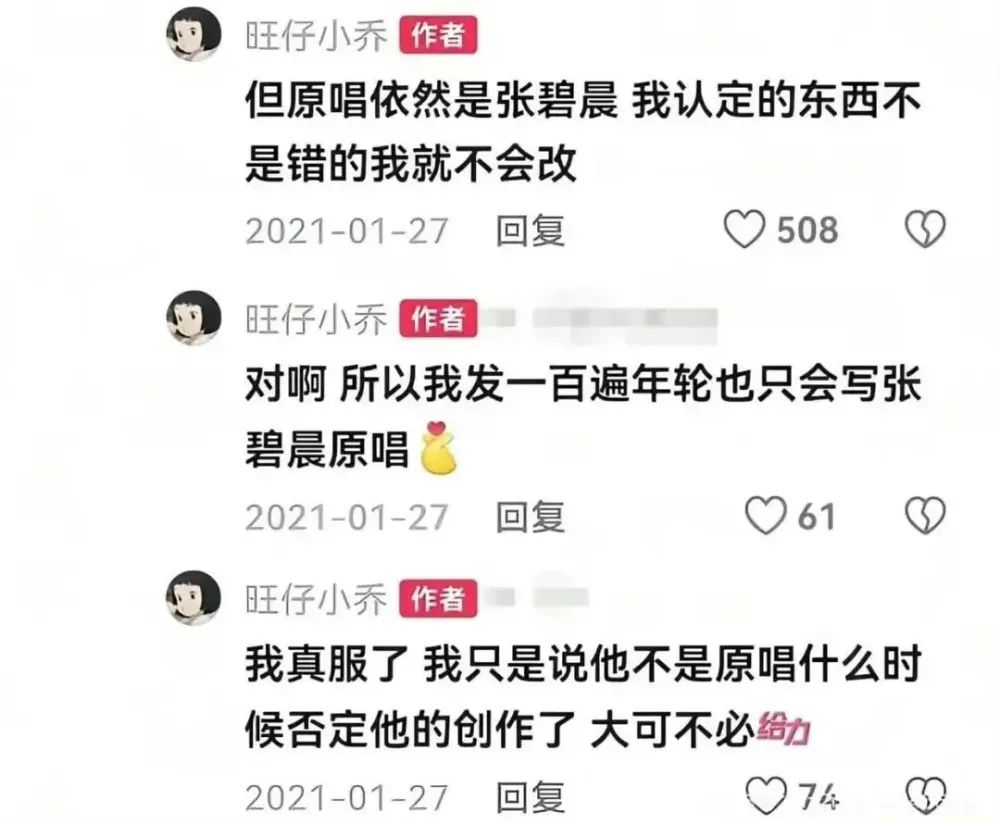
Core Viewpoint - The controversy surrounding the original singer of the song "Year Ring" has sparked significant public interest, highlighting the complexities of copyright and performance rights in the music industry [3][5][12]. Group 1: Event Overview - Influencer @Wangzai Xiao Qiao announced a masked concert with ticket prices ranging from 268 to 968 yuan, which led to public scrutiny due to her lack of original songs and high ticket prices [3]. - The situation escalated when past comments by @Wangzai Xiao Qiao regarding the song "Year Ring" resurfaced, leading to a heated debate about the song's original artist [5][6]. Group 2: Legal Perspectives - Legal experts clarified that "original singer" is not a legal term; instead, it refers to the performer who first publicly released a recording, which in this case is Zhang Bichen [7][9]. - The dispute centers on Zhang Bichen claiming to be the sole original singer based on the timing of her release, while Wang Sulong asserts that "Year Ring" has dual original singers due to his authorship rights [11][12]. Group 3: Copyright Implications - The rights of the original singer are limited to performance rights and do not include the broader copyright ownership held by the songwriter [9][12]. - The concept of "dual original singers" is theoretically possible if the contracts allow for multiple versions, but this requires clear contractual agreements [14][16]. Group 4: Industry Insights - The incident reflects a broader issue in the music industry regarding the recognition of original artists versus copyright holders, emphasizing the need for clarity in contracts and communication among involved parties [19][22]. - The discussion also highlights the emotional and commercial implications of such disputes, as artists navigate their identities and rights within the industry [22].
张碧晨VS汪苏泷?网易云卷入《年轮》版权战,“反复横跳”惹怒粉丝
新浪财经· 2025-07-29 09:36
Core Viewpoint - The article discusses the controversy surrounding NetEase Cloud Music's handling of the original artist label for songs by Zhang Bicheng and Wang Sulong, highlighting issues of copyright and platform responsibility [2][3][4]. Group 1: Incident Overview - NetEase Cloud Music initially removed the original artist label for three songs by Zhang Bicheng, including "Year Ring," while maintaining the label for Wang Sulong's version [2][3]. - The platform later restored the original artist labels after user complaints and clarified that the removal was due to a system display issue [3][4]. - Legal experts noted that the original artist label lacks a clear definition in Chinese copyright law, and the rights depend on the contractual agreements between the artists and the platform [4][7]. Group 2: Artist Statements and Reactions - Zhang Bicheng's studio stated that she is the only original artist for "Year Ring," which was first released in June 2015, while Wang Sulong's version followed shortly after [4][6]. - Wang Sulong's team announced the decision to retract the song's authorization due to the ongoing dispute over the original artist designation [4][6]. Group 3: Financial Context - NetEase Cloud Music is facing increasing financial pressure, with a reported revenue decline of 8.4% year-on-year in Q1 2025, totaling 1.858 billion yuan, and a gross profit decrease of 11% [14]. - In contrast, Tencent Music reported a revenue increase of 8.7% year-on-year, highlighting the competitive challenges faced by NetEase Cloud Music [14].