
ARM CPU

Search documents
博瑞晶芯,卷土重来了
半导体芯闻· 2026-01-09 10:55
Core Viewpoint - The article discusses the recent resurgence of Borui Jinxin, a chip company that previously faced financial difficulties but has now received new investments and cleared debts, indicating a potential turnaround in the Chinese chip industry, particularly for ARM CPU manufacturers [1][9]. Group 1: Industry Trends - The Chinese chip design industry has seen significant growth, with the number of chip design companies increasing from 1,780 in 2018 to 2,218 in 2020, and projected to reach 3,901 by 2025, reflecting a compound annual growth rate [2]. - Factors driving this growth include the rise of artificial intelligence, the maturity of RISC-V, and the electrification and intelligence of vehicles, with ARM high-performance chips being a standout segment [2][10]. - ARM architecture has gained recognition across various applications, including embedded systems, mobile devices, PCs, and servers, particularly in the context of AI and cloud computing [2][10]. Group 2: Market Dynamics - IDC predicts a 70% increase in server shipments based on ARM architecture by 2025, with ARM aiming for nearly 50% of computing power in top-tier data centers to be ARM-based by the same year [3]. - Major cloud service providers like AWS, Google, and Microsoft are increasingly adopting ARM server CPUs, indicating a favorable market environment for ARM chips [4][10]. - Despite the challenges faced by domestic companies like Borui Jinxin, the demand for ARM server chips is on the rise in China, driven by the need for domestic alternatives and advancements in AI technology [10]. Group 3: Challenges and Opportunities - The design and production of advanced SoCs (System on Chips) present significant challenges, particularly as the industry moves towards sub-5nm processes, which dramatically increase design costs and complexity [6][8]. - The cost of designing chips has escalated, with design costs rising from $90 million for 16nm to $249 million for 7nm, and projected to reach $725 million for 2nm, making it difficult for startups to secure funding [8][9]. - Despite past difficulties, Borui Jinxin's recent investment and strategic support from state-owned enterprises may provide a unique opportunity to leverage its ARM instruction set authorization and compete in the server chip market [11].

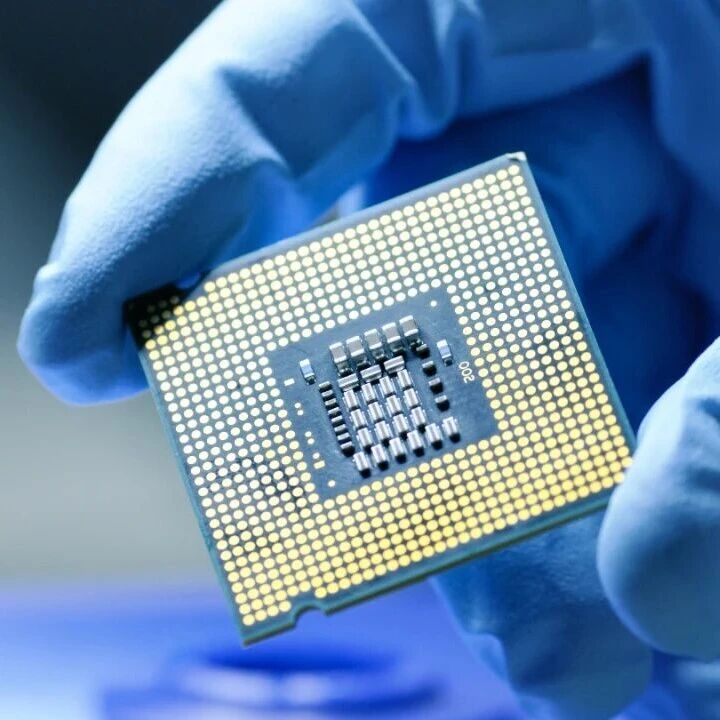
Arm CEO: We're still on this AI demand curve that's still climbing
Youtube· 2025-09-24 14:31
Core Insights - The Stargate initiative, a collaboration involving OpenAI, Oracle, SoftBank, and others, plans to establish five new data centers with a total power capacity of 7 gigawatts, which could potentially power around 6 million homes [1] Group 1: Investment and Demand - There is significant skepticism regarding the financial viability of the massive spending on AI infrastructure, with some analysts questioning the potential returns [2] - Despite concerns, the demand for AI capabilities remains strong, particularly in areas like drug and cancer research, which require extensive training and resources [3][4] - The financing for these large-scale projects is expected to involve innovative approaches due to the staggering capital requirements, with estimates suggesting a need for around $100 billion [6] Group 2: Power and Sustainability - The current energy infrastructure may struggle to meet the growing power demands of AI data centers, prompting discussions about alternative energy sources such as small modular reactors (SMRs) and nuclear power [8][9] - The shift in energy policy under the current administration is seen as more favorable towards fossil fuels and natural gas, which may provide short-term solutions to power needs [8]


电子掘金 博通AI ASIC超预期,应关注哪些投资机遇?
2025-09-07 16:19
Summary of Key Points from the Conference Call Company and Industry Overview - The conference call primarily discusses **Broadcom** and its developments in the **AI ASIC** market, highlighting the significant demand for AI-driven products and services [1][2][5]. Core Insights and Arguments - **Backlog and Orders**: Broadcom's backlog has reached **$110 billion**, primarily driven by AI demand, indicating a robust market outlook extending to **2027** [1][3][5]. - **New Client Acquisition**: Broadcom has secured a new AI custom chip client, **OpenAI**, with an order amounting to **$10 billion**, expected to be delivered in the **2026 fiscal year** [1][2][4][10]. - **Revenue Growth Projections**: The company anticipates its overall revenue to grow from **$15-20 billion** in **2024** to **$60-90 billion** by **2027**, with a compound annual growth rate exceeding **60%** [2][10]. - **AI Network Products**: Broadcom continues to innovate in AI network products, including the **Tomahawk 6**, **Tomahawk Ultra**, and **JERICHO 4**, which cater to various data center communication needs [1][11]. - **ASTERLABS Revenue Expectations**: ASTERLABS is projected to achieve at least **$1 billion** in revenue next year, driven by a major client, **Amazon** [1][20]. Additional Important Insights - **Market Dynamics**: The demand for AI infrastructure is expected to accelerate, with significant contributions from both large model enterprises and those providing computational services to businesses [6][8]. - **Ethernet Penetration**: The increasing penetration of Ethernet in AI data centers is anticipated to benefit Ethernet switch manufacturers and related products, including optical modules and PCIe switches [18][19]. - **Competitive Landscape**: Broadcom's competitive edge lies in its advanced technology and product offerings, including a strong focus on AI ASICs and network solutions, while Marvell faces challenges due to fluctuating AI custom chip revenues [11][12]. - **Future Outlook**: The AI ASIC market is still in its early stages, with expectations of significant growth as penetration rates increase. Broadcom's partnerships with major cloud service providers are expected to drive substantial revenue growth [15][25]. Conclusion - Broadcom is positioned strongly within the AI ASIC market, with a substantial backlog, new client acquisitions, and innovative product offerings. The overall industry outlook remains positive, driven by increasing demand for AI infrastructure and services.
