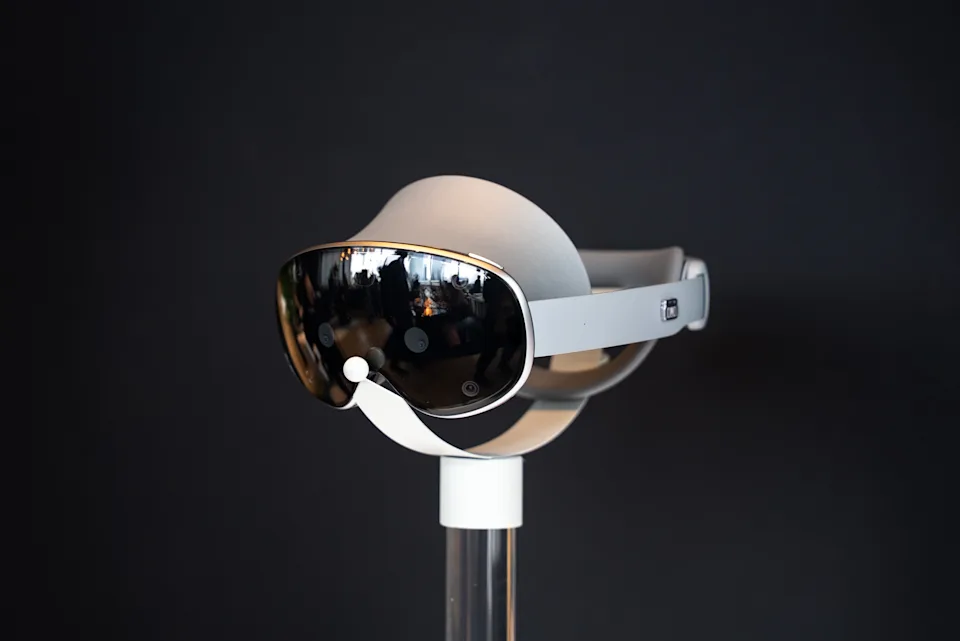
Android XR操作系统

Search documents
第一创业晨会纪要-20251216
First Capital Securities· 2025-12-16 08:40
Macro Economic Group - In November, the industrial added value above designated size grew by 4.8% year-on-year, a decrease of 0.1 percentage points from October, while the cumulative year-on-year growth from January to November was 6.0%, also down by 0.1 percentage points from the previous month [4] - The fixed asset investment year-on-year growth from January to November was -2.6%, the lowest since June 2020, falling short of the Wind forecast of -2.2% and down by 0.9 percentage points from January to October [4] - The retail sales of consumer goods in November saw a nominal year-on-year growth of 1.3%, below the Wind forecast of 2.9%, and down by 1.6 percentage points from October [5] Industry Comprehensive Group - The Ministry of Industry and Information Technology granted conditional approval for the first batch of L3 autonomous driving models, allowing Changan Automobile and BAIC Arcfox to conduct trials in designated areas [9] - STMicroelectronics has delivered over 5 billion RF antenna chips to SpaceX for its Starlink satellite network, with expectations to double the delivery quantity by 2027, indicating a positive outlook for the domestic satellite communication chip industry [9] Advanced Manufacturing Group - The lithium battery separator industry has seen a price increase, with a leading company raising the price of wet-process separators by 30%, and overall price increases expected to reach 20% [11] - The domestic separator shipment volume in the first three quarters of 2025 reached 22 billion square meters, a year-on-year increase of over 40%, driven by strong demand from new energy vehicles and energy storage [11] - The industry is experiencing a structural shift in pricing power, with leading manufacturers maintaining full production capacity and actively pursuing mergers and acquisitions [11] Consumer Group - Domestic personal care products are outperforming foreign brands, with toothpaste sales reaching 1.145 billion yuan in November, a year-on-year increase of 13%, while foreign brands like Colgate saw a decline [13] - The XR device sales in November increased by 128% year-on-year, indicating a growing interest in AI consumer applications, supported by developments from major tech companies like Google [14]
AI不再困于屏幕:谷歌发布Project Aura,开启物理世界智能交互新范式
Huan Qiu Wang· 2025-12-09 09:42
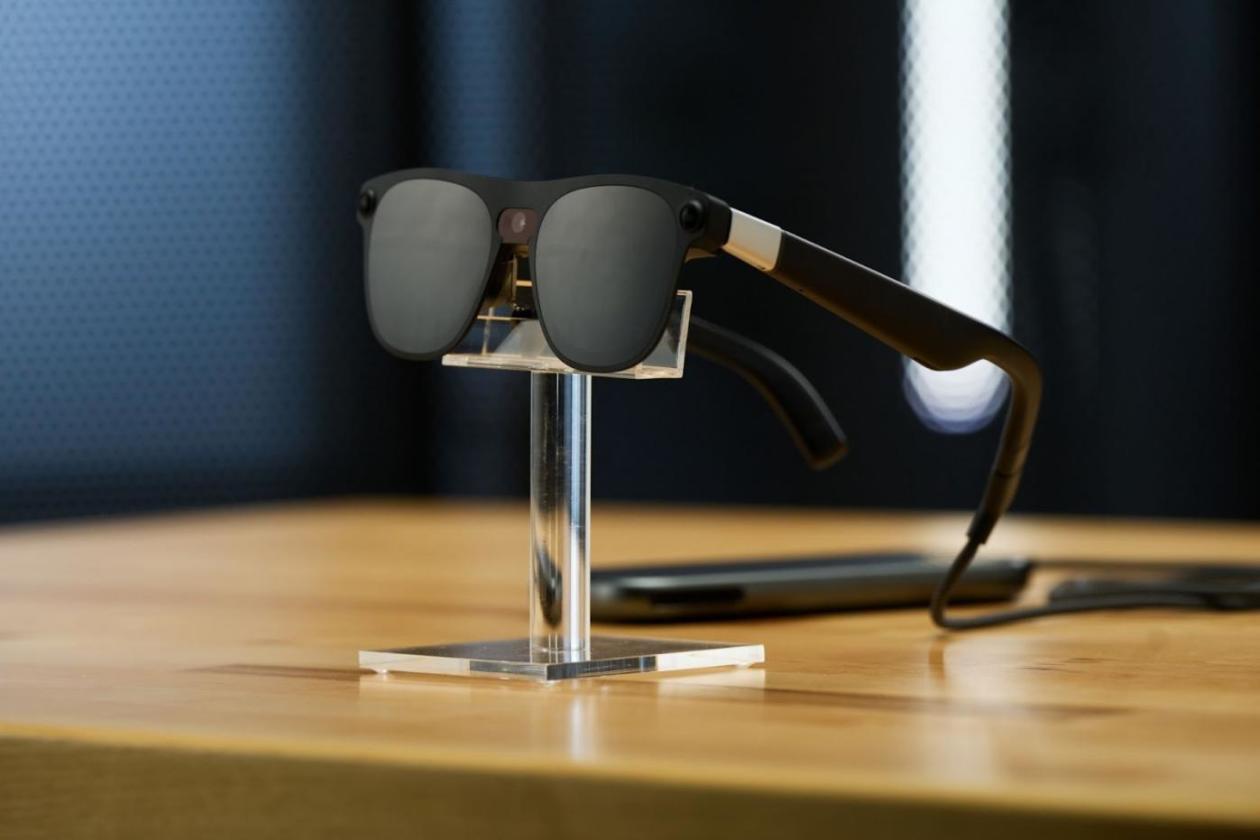
Core Insights - Google officially launched Project Aura, an XR hardware reference design, in collaboration with Chinese AR hardware company XREAL, marking a significant advancement in Android XR operating system architecture [1][3] - Project Aura integrates Gemini AI with spatial awareness capabilities, transitioning AI from a "screen-based intelligence" to a "physical world intelligence" [1][3] Group 1: Project Aura Overview - Project Aura is positioned as the closest realization of the ideal Android XR hardware, enabling Gemini AI to construct environmental semantic maps and understand user intentions in real-time [3][5] - The strategic goal of Android XR is to create an open and unified extended reality platform, embedding AI into the real world [3][5] Group 2: Technical Innovations - Project Aura features a 70° optical field of view (FOV), the largest practical limit for consumer AR, enhancing the natural integration of digital content with the physical environment [5][6] - The X1S spatial computing chip, developed by XREAL, is optimized for spatial AI, providing a high-efficiency inference link from sensor input to semantic output [6][8] - Gemini AI is deeply integrated into the Android XR operating system, functioning as an OS-level service rather than a standalone application, enabling continuous and context-aware interactions [6][8] Group 3: Manufacturing and Future Outlook - Project Aura's core technology relies heavily on Chinese manufacturing, with key components like the X-Prism optical module and X1S chip developed and produced in China [8] - The global supply chain for Project Aura is based in the Yangtze River Delta, facilitating rapid hardware iteration cycles [8] - Project Aura is set to be commercially available by 2026, potentially transforming the XR industry from "display devices" to "spatial intelligent terminals" [8]


三星、谷歌联手推出Galaxy XR智能头显,搭载Gemini,挑战苹果与Meta地位
Hua Er Jie Jian Wen· 2025-10-22 08:16
Core Insights - Samsung Electronics, in collaboration with Google and Qualcomm, has launched the Galaxy XR headset, featuring the latest Android XR operating system and Gemini AI, aiming to challenge Apple's and Meta's dominance in the mixed reality (XR) and future smart glasses market [1][3] Product Overview - The Galaxy XR headset is priced at $1,799 and features external cameras for "perspective" vision, allowing users to see the real world while wearing the device. It includes internal eye-tracking cameras for navigation and supports gesture-based interaction with virtual interfaces [1][3] Strategic Positioning - Samsung and Google are betting on the Android XR operating system and Gemini AI as key differentiators for the Galaxy XR. The integration of Gemini AI is seen as a significant advantage, enabling users to query real-world objects and receive information directly through the headset [3][4] Market Context - Despite the competitive hardware design, the market for smart glasses is rapidly growing, contrasting with the declining shipment volumes of Meta's headsets, which fell by 11% to 710,000 units in Q2. In contrast, global augmented reality smart glasses shipments increased by 74% year-over-year [5] Future Vision - Samsung executives view the Galaxy XR as a foundational step towards future devices, with plans to develop wired and wireless smart glasses, ultimately leading to "AI glasses" equipped with built-in displays for navigation and notifications [5] Competitive Landscape - The alliance faces intense competition from Meta, which has launched the Quest 3 headset and popular Ray-Ban Meta smart glasses. Apple is also developing its own smart glasses, adding further challenges to Samsung, Google, and Qualcomm's future plans [6] Collaboration Challenges - The collaboration among Samsung, Google, and Qualcomm has been challenging, particularly in coordinating hardware and software development. However, a shared belief in the potential of XR and AI integration has driven the alliance to market [6]