DashPass会员服务

Search documents
DoorDash活成了美团羡慕的样子
首席商业评论· 2025-11-14 04:33
Core Viewpoint - The article compares the business models and market dynamics of DoorDash and Meituan, highlighting how different market environments lead to distinct operational strategies and financial outcomes for each company [5][23]. Group 1: Market Positioning - DoorDash has a market share of 17% in the U.S. food delivery sector, while Meituan dominated with a 60% share in China during 2018 [5]. - As of Q1 2024, Meituan's total order volume was approximately seven times that of DoorDash, and its monthly active users were about eleven times higher [5]. - Despite these figures, DoorDash's market capitalization once reached 1.5 times that of Meituan, indicating a significant valuation difference influenced by market conditions [5][23]. Group 2: Competitive Landscape - The U.S. food delivery market is characterized by "dislocated monopoly," where players like DoorDash focus on specific niches, such as suburban markets, while Meituan faces intense competition in urban areas [6][9]. - DoorDash has successfully targeted suburban households, where the average order value is 30% higher than in urban areas, leading to a 65% repurchase rate [15][16]. - The delivery model of DoorDash, which employs a large number of part-time workers, has allowed it to maintain lower delivery costs compared to Meituan, which relies on full-time riders [35][36]. Group 3: Business Strategies - DoorDash's strategy includes offering a membership service (DashPass) that contributes 12% to its revenue and providing targeted advertising for merchants, making its business model more profitable [18]. - In contrast, Meituan's delivery costs exceed its revenue from delivery services, leading to losses on each order delivered [35]. - The operational flexibility of DoorDash's gig economy model allows it to adapt quickly to market demands, while Meituan's model is constrained by the need for reliable delivery times in a competitive urban environment [39]. Group 4: Regulatory and Social Factors - The differences in labor regulations between the U.S. and China significantly impact the operational strategies of DoorDash and Meituan, with DoorDash benefiting from a more flexible gig economy [24][30]. - In the U.S., independent contractors can work across multiple platforms, enhancing their income potential, while Meituan's model requires more stringent control over its workforce [30][39]. - The cultural attitudes towards tipping and delivery fees also differ, with U.S. consumers more accustomed to paying delivery fees and tipping, which supports DoorDash's business model [36].



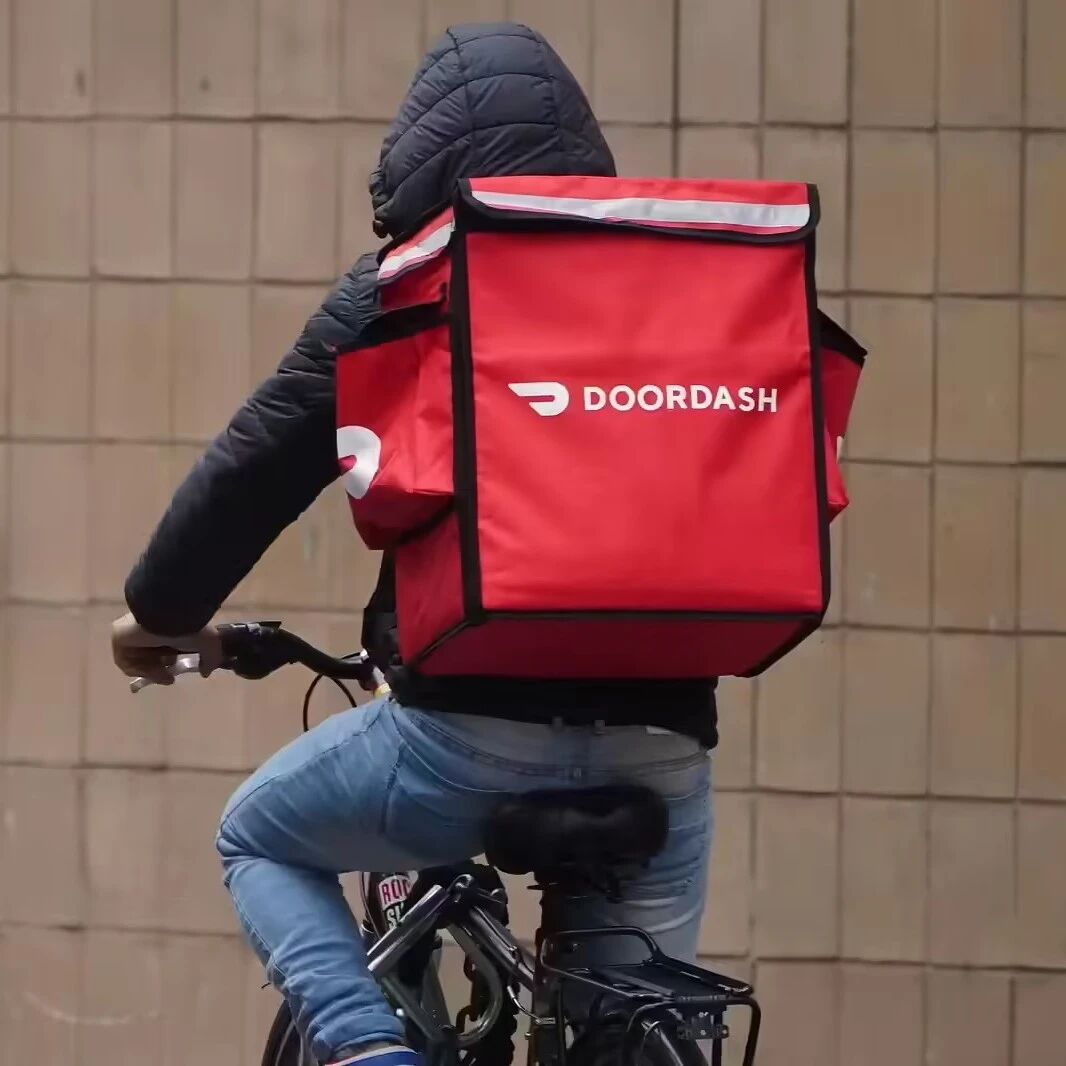
DoorDash活成了美团羡慕的样子
3 6 Ke· 2025-11-07 00:33
Core Insights - DoorDash has been compared to Meituan, with both companies starting in similar ways but facing different market dynamics and competition levels [1][21] - Despite lower market share and performance metrics compared to Meituan, DoorDash's stock price has surged significantly, indicating a different investor perception and market environment [1][21] - The contrasting business models of DoorDash and Meituan are largely influenced by their respective market conditions and consumer behaviors [21][42] Group 1: Market Position and Performance - In Q1 2024, Meituan's total order volume was approximately seven times that of DoorDash, with monthly active users around eleven times higher [1] - DoorDash's annual gross transaction value (GTV) is less than half of Meituan's, highlighting a significant gap in scale [1] - DoorDash's market capitalization once reached 1.5 times that of Meituan, despite its lower operational metrics [1] Group 2: Competitive Landscape - The North American market is characterized by "dislocated monopoly," while the domestic market experiences homogeneous competition [2][21] - DoorDash has successfully targeted suburban markets, where demand for delivery services is higher due to fewer local dining options [9][12] - The average order value in suburban areas is 30% higher than in urban centers, contributing to DoorDash's growth in these regions [11] Group 3: Business Model and Strategy - DoorDash employs a unique workforce strategy, utilizing part-time workers primarily composed of stay-at-home parents, which has led to a large delivery team [3][12] - The average delivery time for DoorDash is 42 minutes, which is longer than competitors, yet it continues to capture a significant market share [7][12] - The introduction of DashPass membership has generated 12% of DoorDash's revenue, showcasing its ability to monetize its platform effectively [16] Group 4: Cost Structure and Profitability - DoorDash's average profit per $10 order is $3.2, indicating a high-margin business model [18] - In contrast, Meituan reported a loss of approximately 0.3 yuan per order due to high delivery costs [34] - The delivery cost structure in the U.S. allows consumers to bear a significant portion of the delivery fees, unlike in China where consumers are less willing to pay for delivery [38][39] Group 5: Regulatory and Social Factors - The independent contractor model in the U.S. allows DoorDash to minimize labor costs, while Meituan's model involves more employee responsibilities and benefits [24][33] - The cultural preference for flexible work in the U.S. supports DoorDash's operational model, contrasting with the more rigid employment structures in China [30][41] - Regulatory environments in both countries shape the operational strategies of DoorDash and Meituan, influencing their respective market performances [24][41]