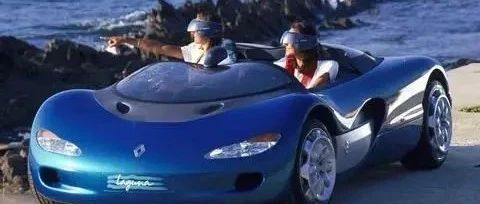
ESPACE

Search documents
雷诺,依旧指望中国
3 6 Ke· 2025-10-27 00:34
Core Insights - Renault has undergone significant changes recently, including the departure of CEO Luca de Meo and the appointment of François Provost as the new CEO, alongside a reported net loss of over €11.1 billion due to accounting changes related to the reduction of Nissan shares and the revaluation of joint ventures [1][3] Group 1: Leadership Changes and Financial Performance - The new CEO François Provost is initiating a global layoff plan affecting 3,000 employees in support departments, aiming to reduce salary costs by approximately 15% [3] - Despite the reported net loss, Renault's actual production, sales, and profits have shown growth, although net profit has significantly decreased to about one-third of the previous year's figure, indicating potential concerns [1][3] Group 2: Strategic Focus on China - Renault is shifting its strategy in China, moving from a market for product and technology conversion to a research and development center for global supply [5][11] - The company is expanding its investments in China, recognizing the country's critical role in the global automotive market, with a focus on electric vehicles and technology [11][12] Group 3: Historical Context and Market Dynamics - The history of Dongfeng Renault illustrates the challenges faced in the Chinese market, including a decline in sales and eventual exit in 2020 after a series of market downturns [6][9] - Renault's previous insights into market demands, such as the introduction of the ESPACE MPV, highlight its ability to identify consumer needs, although these efforts were not enough to sustain its presence in the market [9][10] Group 4: Future Collaborations and Developments - Renault has established partnerships with companies like Geely and CATL, focusing on electric vehicle development and expanding into new markets such as Latin America [10][11] - The establishment of the Advanced China Development Center in Shanghai signifies Renault's commitment to leveraging Chinese innovation and technology for its global strategy [10][11]

百年车企进中国一波三折,数十亿买教训退居二线?
电动车公社· 2025-08-09 15:59
Core Viewpoint - The automotive industry is facing significant challenges in 2025, with major global brands experiencing substantial declines in net profits and sales, while Renault is showing resilience and growth amidst this downturn [1][2][3]. Group 1: Financial Performance of Major Automakers - In Q1 2025, several leading global automotive brands reported sharp declines in net profits, with Tesla's net profit plummeting by 70% and sales down by 9% [3]. - Volkswagen Group reported revenue of €77.6 billion (approximately $87.3 billion), a year-on-year increase of 2.8%, but net profit fell by 36.9% to €2.9 billion [3]. - BMW Group's revenue decreased by 8.7% to €33.758 billion (approximately $38 billion), with net profit down by 26.4% to €2.173 billion [3]. - Mercedes-Benz Group saw a revenue drop of 7.4% to €33.224 billion (approximately $37.4 billion) and a 42.8% decline in net profit to €1.731 billion [3]. - In contrast, Renault is set to launch seven new models this year and has projected a profit margin of 7%, significantly higher than the industry average [3]. Group 2: Renault's Historical Context and Strategy - Renault's entry into the Chinese market began in 1993 through a partnership with Sanjiang Aerospace Group, with a 30-year cooperation agreement aimed at significant growth [10][11]. - The initial collaboration faced challenges due to high costs and reliance on imported components, leading to poor sales of the Taffic model [20][21]. - After several failed partnerships and market miscalculations, Renault established a joint venture with Dongfeng in 2013, which marked a turning point for the company in China [29][31]. Group 3: Lessons Learned and Future Directions - Renault's experience in China highlights the importance of localizing production and adapting to market conditions, as seen in their struggles with high costs and misjudged market strategies [39][40]. - The company has made strategic moves towards electric vehicle production, including a 50% stake in Jiangling New Energy and the establishment of a joint venture with Geely for powertrain technology [46][64]. - Renault is focusing on leveraging its partnerships to enhance its global supply chain and capitalize on the growing demand for electric vehicles, with plans to expand its R&D capabilities in China [67][71].