
Electric Vehicle (EV)

Search documents
China’s auto market achieved steady growth in 2025
Yahoo Finance· 2026-03-24 16:15
Core Insights - New Energy Vehicle (NEV) sales reached 13 million units, marking a 20% year-on-year increase, becoming the primary growth driver in the automotive sector [1] - Domestic brands showed strong growth, while international brands faced a decline, with BYD Group experiencing a 7.8% year-on-year drop in sales to 3.5 million units in 2025 due to government intervention in price wars [1] - The Chinese automotive market is transitioning into a phase of high-quality development, characterized by scale growth, structural optimization, and technological innovation [2] Group 1: Sales Performance - Annual domestic Light Vehicle (LV) sales exceeded 26.9 million units, reflecting a 5.6% year-on-year increase, with Passenger Vehicle (PV) sales surpassing 24.3 million units and Light Commercial Vehicle (LCV) sales exceeding 2.6 million units [3] - Despite tariff barriers, China's LV exports reached over 6.6 million units, achieving a year-on-year growth rate of 21%, with PVs accounting for 6.0 million units and LCVs totaling 660k units [3][4] Group 2: Regulatory Environment - The government is refining regulations to address market changes, including measures to curb price wars and improve competitive conditions, which are expected to support sustainable development in the automotive industry [6] - New safety requirements for power batteries and stricter oversight on used-car exports have been implemented to enhance the regulatory framework [6] Group 3: Market Dynamics - The automotive market is entering an era of micro-growth, with a shift from price competition to value competition anticipated as technological advancements, such as Tesla's Full Self-Driving technology, are expected to influence the market in 2026 [7] - Canada has relaxed import restrictions on China-produced EVs, allowing for an initial quota of 49k units, which is expected to boost exports [8][9] Group 4: Future Outlook - 2026 is projected to be a significant year for China-produced vehicles, marking their formal entry into the global market, with expectations for further growth [10]
Tesla or General Motors: Which Stock is Better Positioned Now?
ZACKS· 2026-03-23 14:42
Core Insights - Tesla and General Motors are leading players in the U.S. auto market, with Tesla as the largest electric vehicle seller and General Motors leading in overall vehicle sales volume [1] Group 1: Market Dynamics - The U.S. electric vehicle market is experiencing a slowdown due to the Trump administration's rollback of federal EV tax incentives, leading General Motors to scale back its EV investments [2] - Tesla faces challenges from increasing competition, particularly from Chinese automakers, and an aging model lineup, prompting a shift in focus towards robotics, autonomous driving, and artificial intelligence [3] Group 2: Financial Performance - Year-to-date, General Motors shares have declined approximately 10%, while Tesla's stock is down around 18% [4] - Tesla's deliveries have decreased for two consecutive years, with a decline of over 8% in 2025, raising concerns about demand and competition [6] - General Motors achieved its highest U.S. market share in a decade at around 17%, indicating competitiveness in a changing demand environment [12] Group 3: Strategic Focus - Tesla's energy generation and storage business is showing significant growth, with record deployments of 14.2 GWh in Q4 and 46.7 GWh for the full year, a 49% year-over-year increase [7] - General Motors is focusing on improving EBIT margins, projected to reach 8-10% in 2026, up from 6.8% in 2025, driven by lower costs and a richer product mix [8][13] - GM's software and services business is gaining traction, with deferred revenues expected to reach $7.5 billion by the end of 2026, a nearly 40% increase year-over-year [14] Group 4: Future Outlook - Tesla plans to invest over $20 billion in capital expenditures by 2026 to develop its ecosystem, including robotaxis and AI infrastructure, although this strategy is capital-intensive and high-risk [10][11] - General Motors is implementing a $6 billion buyback and a 20% dividend hike, reflecting strong cash flow and capital allocation discipline [17] - The Zacks Consensus Estimate for General Motors' 2026 EPS has risen in the past 60 days, while Tesla's estimate has declined [18]



Middle East crisis adds pressure on global automotive sector
Yahoo Finance· 2026-03-13 10:57
Core Viewpoint - The ongoing conflict in the Middle East is expected to negatively impact vehicle demand, adding to existing challenges in the automotive sector such as uneven electric vehicle sales, tariffs, and slower growth in China [1][2]. Group 1: Impact of Middle East Conflict - Volkswagen and Volvo Car have expressed concerns that the heightened uncertainty from the Middle East conflict could lead consumers to postpone or abandon vehicle purchases [1][2]. - Volkswagen's sales chief noted a decline in customer sentiment across many markets, indicating increased anxiety among consumers [1]. - The Middle East Light Vehicle market is projected to sell three million units in 2025, with one-third of those sales attributed to Iran [3]. Group 2: Market Dynamics and Challenges - The transition to electric vehicles remains challenging, particularly as Chinese brands are increasing competition in Europe with lower-priced models [3]. - The automotive industry is facing declining earnings due to tariffs imposed by the US, which have compounded existing pressures from the market downturn in China [2]. - Initially, the Middle Eastern automotive market was expected to grow, but analysts have adopted a more cautious outlook for 2026 due to the rapidly evolving situation regarding the Iran War [4].
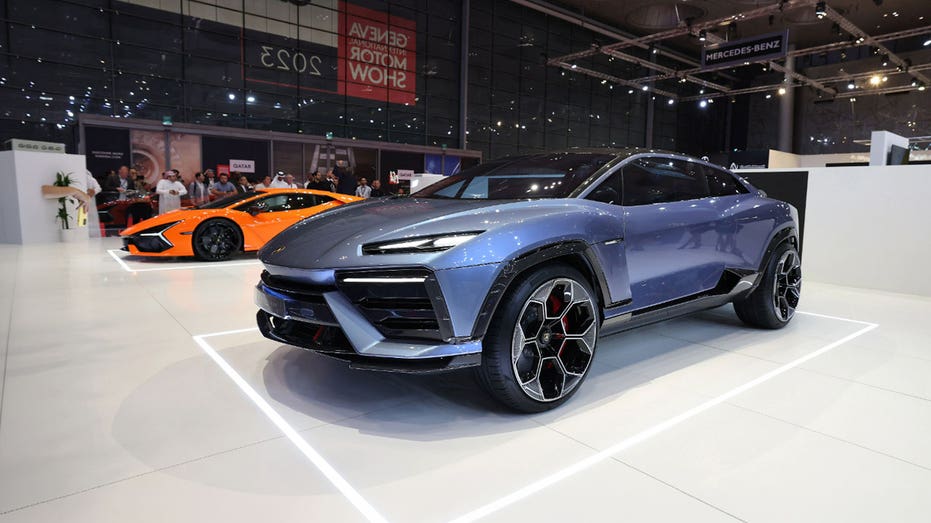
Lamborghini scraps first EV launch, calls development 'expensive hobby'
Fox Business· 2026-02-24 19:49
Core Viewpoint - Lamborghini has decided to cancel its plans to release an electric vehicle (EV) by 2028 due to a lack of consumer demand in its target market [1][2]. Group 1: Consumer Demand and Market Analysis - Lamborghini's CEO, Stephan Winkelmann, indicated that the "acceptance curve" for EVs in the luxury market is "close to zero" and is flattening, reflecting minimal interest from its clientele [2]. - The company conducted an analysis that revealed little demand for the previously announced EV, named the Lanzador [1]. Group 2: Future Vehicle Plans - Instead of pursuing the EV, Lamborghini plans to introduce a plug-in hybrid electric vehicle (PHEV) to its lineup [4]. - Winkelmann stated that while the company will continue to develop electrification, it will focus on PHEVs for the foreseeable future, emphasizing the need to be prepared for future market conditions [5]. Group 3: Emotional Connection and Brand Identity - Winkelmann noted that Lamborghini customers value an "emotional experience" with their cars, which current EVs struggle to provide [4]. - The company intends to continue producing traditional internal combustion engine vehicles for as long as possible, indicating a commitment to its brand identity [2]. Group 4: Industry Context - Lamborghini's decision aligns with broader trends in the automotive industry, where other major automakers, such as Stellantis and General Motors, have also taken significant financial hits due to weaker-than-expected consumer demand for EVs [5][6]. - Stellantis reported a $26.5 billion charge for reducing its EV production, while General Motors took a $7 billion hit after adjusting its EV strategy [6][8].
How Quickly Can Ford Reverse This $16 Billion Problem?
The Motley Fool· 2026-02-19 04:15
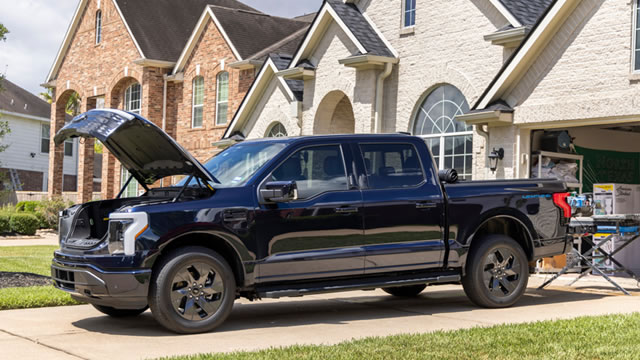
Core Viewpoint - Investors are questioning when electric vehicle (EV) losses for Ford and General Motors will reverse, with Ford's significant losses since 2022 being a focal point [1][2]. Group 1: Financial Performance - Ford has incurred over $16 billion in losses on its EV business since 2022, with a reported loss of $4.8 billion in its Model-e division for the last quarter, showing a slight improvement from the previous year's loss of over $5 billion [2][3]. - The company anticipates further losses in its EV division, expecting to lose between $4 billion and $4.5 billion in 2026 [3]. - Ford's market capitalization stands at $56 billion, with a current stock price of $13.87 and a dividend yield of 5.31% [8]. Group 2: Strategic Outlook - Ford's next significant push in EVs is not expected until 2027, when a new production approach and Universal EV Platform will facilitate the launch of a midsize electric truck priced around $30,000 [7]. - The company does not expect to break even on its EV division until around 2029, as stated by the CFO during a conference call [7]. - The substantial losses in the EV sector highlight the importance of reversing these losses to allocate capital more effectively, potentially for high-return projects or shareholder returns [9]. Group 3: Competitive Landscape - Ford's early investment in EV strategies has been costly, with a $19.5 billion special charge taken to pivot its EV strategy, while General Motors has opted for share buybacks to enhance shareholder value [5][9]. - GM has initiated $10 billion in buybacks in 2023, with additional authorizations of $6 billion for 2024 and 2025, contrasting Ford's approach of returning value primarily through dividends [5].

Can This Top Stock Really Rebound in the World's Largest Market?
The Motley Fool· 2026-02-14 13:05
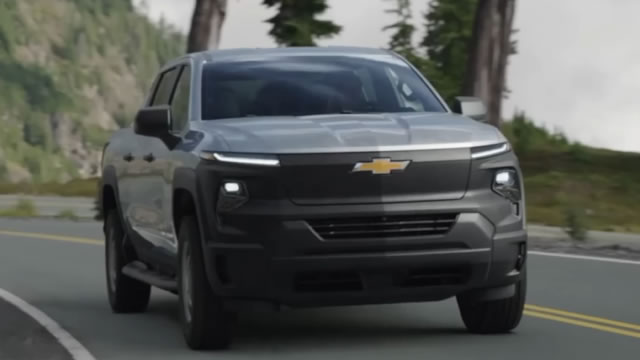
Core Insights - General Motors (GM) is focusing on turning around its business in China, which is crucial for its financial performance and investor confidence [1][2] - The company has faced significant challenges in the Chinese market due to the rise of domestic automakers and the shift towards electric vehicles (EVs) [2][9] Financial Performance - GM incurred a $1.1 billion charge in Q4, including $500 million in cash, primarily due to restructuring its Chinese joint venture [3] - Despite overall sales growth of only 2.3% in China for 2025, GM's new-energy vehicle (NEV) sales surged by 22.6% [7] Strategic Initiatives - The company is restructuring by closing plants and focusing on high-end vehicle sales and premium EVs, particularly through its Buick, Cadillac, and high-end Chevrolet brands [5][4] - All new GM product launches in China for 2026 will include NEV options, with an emphasis on local production to maintain competitive pricing [7] Market Context - The Chinese market is essential for GM, despite the realization that it may not serve as a significant profit pillar as previously hoped [9] - Competing in the advanced NEV market in China is critical for GM to prepare for future competition from Chinese automakers [9]
Ford's Earnings Missed Wall Street Estimates -- but Its Stock Didn't Crash. Here's Why.
Yahoo Finance· 2026-02-11 16:38
Core Viewpoint - Ford Motor Company reported a significant loss of $11.1 billion in Q4 2025, primarily due to one-time special items related to its electric vehicle strategy, but adjusted earnings showed a profit of $0.13 per share, which was below Wall Street's expectation of $0.19 per share [1][2][3] Group 1: Earnings Performance - Ford's reported loss was largely attributed to unexpected additional tariff costs of approximately $900 million, which affected its earnings guidance [6][8] - The company's adjusted EBIT for 2025 was revised down to $6.9 billion, missing both Wall Street's and its own guidance of $7 billion [8] Group 2: Market Reaction - Despite the earnings miss, Ford's stock did not decline significantly; it saw a slight increase in after-hours trading and continued to rise modestly the following morning [2][5] - The market's positive reaction is attributed to the understanding that the tariff costs were outside of Ford's control and that the company could absorb these costs without major operational impacts [9]
中国汽车行业_从金属与 DRAM 看电动车成本通胀_ Gauging EV cost inflation from metals & DRAM
2026-01-29 10:59
Summary of the Conference Call on China's Auto Sector Industry Overview - The report focuses on the **China Auto Sector**, particularly the **Electric Vehicle (EV)** industry, highlighting the impact of cost inflation from metals and DRAM on EV production and sales [1][4]. Key Points and Arguments 1. **Cost Inflation and Sales Growth**: - The end of consumer subsidies by the end of 2022 was counterbalanced by a lithium price correction in 2023, leading to continued growth in EV sales volume, albeit at a slower rate compared to 2022 [1]. - A projected cost inflation of **Rmb4,000 to Rmb7,000** for a typical medium-sized intelligent EV is noted, with uncertainty on whether these costs can be passed onto consumers [1]. 2. **Material Cost Contributions**: - For a medium-sized EV, the assumed material content includes **200 kg of aluminum**, **80 kg of copper**, and **600 grams of lithium carbonate per kWh** of battery capacity [2]. - Recent cost inflation estimates indicate approximately **Rmb600** from aluminum, **Rmb1,200** from copper, and **Rmb1,000 to Rmb3,800** from lithium [2][13]. 3. **DRAM Price Impact**: - The DRAM content in modern vehicles ranges from **US$25 to US$150**, with an average of **US$100** for intelligent vehicles. A **180% increase** in DRAM spot prices has raised costs from **Rmb700 to Rmb2,000** per vehicle, adding an additional **Rmb1,300** to production costs [3][7]. 4. **Sector Implications**: - The weak demand for EVs, coupled with a **5% purchase tax** effective from January 2026, raises concerns about the ability of manufacturers to absorb cost inflation without eroding margins [4]. - The report suggests that if carmakers bear the full cost inflation, it could completely erode their margins, necessitating a cautious outlook for the sector in the near term [4]. 5. **Cost Trajectories**: - Cost trajectories from October 2025 to current pricing show significant increases across different vehicle configurations: - **BEV (80 kWh)**: Total cost increase of **Rmb5,600** per vehicle - **EREV (40 kWh)**: Total cost increase of **Rmb3,700** per vehicle - **PHEV (20 kWh)**: Total cost increase of **Rmb2,700** per vehicle [12][13]. 6. **Commodity Price Changes**: - Over the past three months, commodity prices have increased significantly: - **Aluminum**: Up **14%** - **Copper**: Up **18%** - **Lithium**: Up **109%** [19][21][22]. Additional Important Content - The report emphasizes the potential for overcapacity in the NEV battery industry and the risks associated with new entrants in the market, which could dilute existing companies' market shares [25]. - It also highlights the importance of government policies on NEV subsidies and their impact on profit margins for automakers [25]. This summary encapsulates the critical insights from the conference call regarding the challenges and dynamics within the Chinese auto sector, particularly focusing on the EV market and the implications of rising costs.
This Is Tesla’s Price Prediction Heading Into 2026
Yahoo Finance· 2025-12-31 10:29
Core Insights - Tesla shares have experienced a pullback from their all-time high of nearly $499, reflecting a 12.5% gain for the year, amid concerns about sales and a projected 15% decline in fourth-quarter deliveries [1][6] Group 1: Sales and Deliveries - U.S. deliveries for the October to December quarter are projected at approximately 126,000 vehicles, representing a decline of over 22% year-over-year [4][7] - Analyst estimates for fourth-quarter deliveries indicate a more pessimistic outlook compared to previous forecasts, highlighting concerns about softer EV demand and competition [1][3] Group 2: Market Sentiment and Predictions - Prediction markets suggest a 64% probability that Tesla's stock will close between $450 and $475 per share by the end of 2025, indicating mixed trader sentiment [7] - Wall Street analysts have a divided view on Tesla, with a consensus 12-month price target averaging around $399 per share, suggesting the stock may be overvalued by 12% [6] Group 3: Broader Business Considerations - Tesla's performance may increasingly be evaluated based on its other business segments, such as AI, energy storage, and robotics, rather than solely on its automotive sales [5]
全球电池供应链_储能系统激增;关键矿产-Global Battery Supply Chain_ Monthly Recharge_ BESS surge; critical minerals
2025-12-08 15:36
Summary of Key Points from the Conference Call Industry Overview - **Industry Focus**: Global Battery Supply Chain, specifically Battery Energy Storage Systems (BESS) and Electric Vehicles (EVs) [2][10] - **Market Dynamics**: The demand for BESS is projected to grow significantly, with global battery installation forecasts raised to 3.8 TWh by 2030 [2][10] Core Insights and Arguments - **Battery Demand Forecasts**: - Global battery demand for 2025-2030 has been revised upward by 1-11%, with BESS demand increasing by 4-37% [2][10] - BESS is expected to account for 31% of total battery demand by 2030, with an estimated 1.19 TWh [2][10] - U.S. BESS demand is projected to rise by 14%-21% to 177 GWh by 2030, driven by investment tax credits and data center expansions [2][10][3] - **EV Market Adjustments**: - Global EV sales forecasts have been trimmed by 1-7%, with specific reductions in China and the U.S. due to policy changes [12][10] - Expected EV penetration rates for 2030 are 39% globally, 76% in China, 41% in the EU, and 17% in the U.S. [10] - **Critical Minerals and Supply Chain Resilience**: - Critical materials are increasingly viewed as strategic assets, with demand driven by energy transition, automation, and geopolitical tensions [4][57] - Investment in supply chain redundancy and local processing is essential to mitigate risks associated with reliance on specific countries, particularly China [4][57] Additional Important Insights - **Policy Impacts**: - New guidelines from China's NDRC and NEA are expected to enhance BESS economic viability through improved capacity compensation mechanisms [11][34] - The U.S. market is facing electricity supply/demand imbalances, with BESS seen as a solution to support data center expansions [3][11] - **Investment Recommendations**: - Top picks for exposure to the BESS market include LG Energy Solution (LGES), which is well-positioned to capture U.S. market share [13][18] - Other recommended companies include Sungrow and CSI Solar, which are expected to benefit from robust global BESS demand [37][13] - **Market Trends**: - The U.S. electricity demand is projected to grow at a CAGR of 3.0% from 2025 to 2030, primarily driven by data centers [16][39] - The anticipated growth in BESS demand is supported by significant government subsidies covering approximately 70% of capital expenditures [17][3] - **Challenges and Bottlenecks**: - Key bottlenecks include interconnection and local permitting approvals, which can delay project timelines [22][23] - The transition to onshore battery sourcing is expected to increase, but challenges remain regarding the import of Chinese components due to regulatory changes [24][31] Conclusion The global battery supply chain is undergoing significant transformations driven by increasing demand for BESS and EVs, influenced by policy changes and market dynamics. Investment in critical minerals and supply chain resilience is crucial for future growth, with specific companies identified as key players in this evolving landscape.