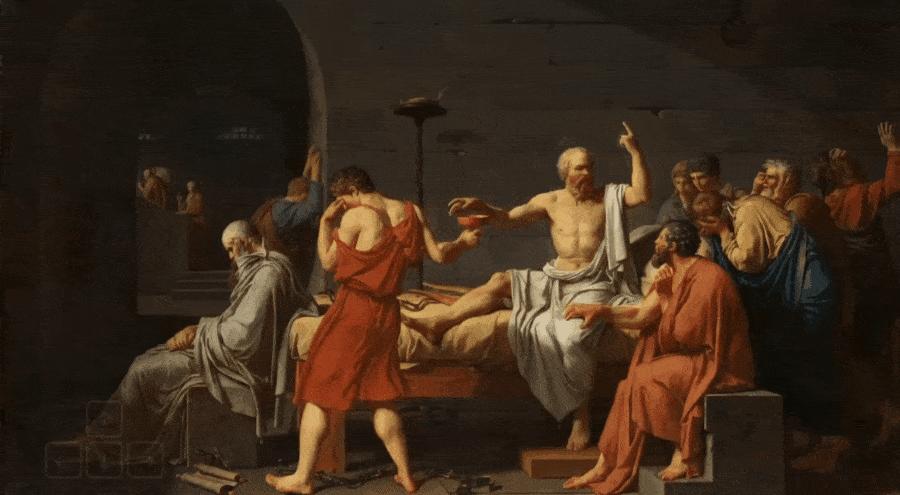
Genie 3世界模型

Search documents
英伟达抛弃+谷歌降维打击,游戏业黄昏将至?
美股研究社· 2026-02-11 11:06
Core Viewpoint - Nvidia's indefinite postponement of new gaming GPU development due to memory supply constraints has triggered an unprecedented crisis in the global gaming industry, which is now facing dual threats from both hardware limitations and the rapid rise of generative AI technology [6][8][10]. Group 1: Nvidia's Shift in Focus - Nvidia has shifted its focus away from gaming GPUs, with data center business contributing 90% of its revenue in Q3 2026, while gaming only accounted for 7.5% [14][15]. - The RTX 50 series has been indefinitely shelved, and the RTX 60 series production has been delayed until 2028, leading to a technology vacuum for gamers [11][12]. - The gaming business has become a marginal segment for Nvidia, which is now prioritizing data center profits over gaming hardware [17][20]. Group 2: Memory Supply Crisis - The memory supply crisis is exacerbated by TSMC's tight wafer capacity and major memory manufacturers shifting focus to data centers, causing memory prices to soar [19][24]. - Nvidia's need for high-bandwidth memory (HBM) is critical, as it requires three times the silicon of traditional DRAM, further complicating supply issues [22]. - The overall supply chain is experiencing a shift, with major players like Micron and Samsung prioritizing data center orders, leading to a significant increase in DRAM prices [25][26]. Group 3: Impact of Generative AI - The rise of generative AI poses a significant threat to traditional game development, as AI can rapidly generate game assets and content, leading to fears of obsolescence among game developers [8][34]. - The launch of Google's Project Genie, which can create interactive 3D worlds in minutes, caused a significant drop in stock prices for major gaming companies, highlighting the market's anxiety over AI's capabilities [37][38]. - AI is already transforming various aspects of game development, including art asset generation, NPC dialogue, level design, and sound production, which could drastically reduce development costs and time [40][49]. Group 4: The Uniqueness of Human Creativity - Despite the advancements in AI, the gaming industry's true value lies in elements that AI cannot replicate, such as IP value, narrative depth, gameplay innovation, and cultural significance [51][55]. - The emotional connection players have with established IPs, like Nintendo's Mario, cannot be generated by AI, emphasizing the importance of human creativity in game development [53][54]. - The gaming industry is at a crossroads, where the integration of AI as a tool alongside human creativity is essential for producing meaningful and impactful games [69][70].




谷歌摊牌:Genie 3让你1秒「进入」名画,人人可造交互世界
3 6 Ke· 2025-08-12 00:40
Core Insights - Google's latest release, the Genie 3 world model, showcases remarkable AI capabilities, transforming text into interactive spaces and allowing users to explore classic paintings like "The Death of Socrates" and "Nighthawks" in immersive ways [1][9][10] Group 1: AI Capabilities - Genie 3 can generate interactive 3D worlds from images, enabling real-time navigation and multi-perspective rendering [5] - The model supports advanced image processing techniques, including UI element removal and super-resolution enhancement using Topaz AI [5] - Users can experience a sense of presence in famous artworks, enhancing their appreciation of art, history, and philosophy [2][10] Group 2: Technical Innovations - Bilawal Sidhu, a former Google team member, successfully trained a 3D Gaussian Splat model using Genie 3, demonstrating its potential for efficient rendering and immersive exploration [4][6] - The model also allows for the extraction of textured 3D meshes through traditional photogrammetry techniques, broadening its application in 3D tools [6] Group 3: User Experience - Users can engage with the artwork in a game-like manner, such as controlling a dog running on the beach, showcasing the versatility of the Genie 3 model [12][14] - The immersive experience of entering paintings like "Nighthawks" evokes feelings of loneliness and coldness, enhancing emotional engagement [11][10] Group 4: Community Reactions - Online users express excitement about the potential of virtual worlds, with some predicting that everyone will have their own virtual experiences within 5-10 years [16] - The concept of "holographic simulation chambers" is gaining traction, indicating a shift towards more immersive digital experiences [17]