HBM3E 12层芯片

Search documents
消息称三星拟扩大HBM3E供应量 有望成为博通最大供应商
Xin Lang Cai Jing· 2025-12-15 07:56
【消息称三星拟扩大HBM3E供应量 有望成为博通最大供应商】《科创板日报》15日讯,消息称三星电 子向博通供应HBM3E 12层芯片的份额预计将会增加,博通正在为谷歌设计TPU。谷歌最新的第七代 TPU采用了三星电子和SK海力士提供的HBM3E 8层芯片,并计划在性能更强劲的第七代TPU(TPU 7E)上采用HBM3E 12层芯片。目前量产产品测试正在进行中,据说两家公司在性能方面已经达到了几 乎相同的水平。博通已将三星电子视为战略合作伙伴,以取代SK海力士,三星电子在性能和价格谈判 方面展现出了灵活性。据报道,三星电子将其供应价格较SK海力士目前供应的HBM3E产品降低了约 20%。(ChosunBiz) 转自:智通财经 ...

消息称三星拟扩大HBM3E供应量 有望成博通最大供应商
Ge Long Hui A P P· 2025-12-15 07:56
格隆汇12月15日|据ChosunBiz,消息称三星电子向博通供应HBM3E 12层芯片的份额预计将会增加, 博通正在为谷歌设计TPU。谷歌最新的第七代TPU采用了三星电子和SK海力士提供的HBM3E 8层芯 片,并计划在性能更强劲的第七代TPU(TPU 7E)上采用HBM3E 12层芯片。目前量产产品测试正在进 行中,据说两家公司在性能方面已经达到了几乎相同的水平。博通已将三星电子视为战略合作伙伴,以 取代SK海力士,三星电子在性能和价格谈判方面展现出了灵活性。据报道,三星电子将其供应价格较 SK海力士目前供应的HBM3E产品降低了约20%。 ...
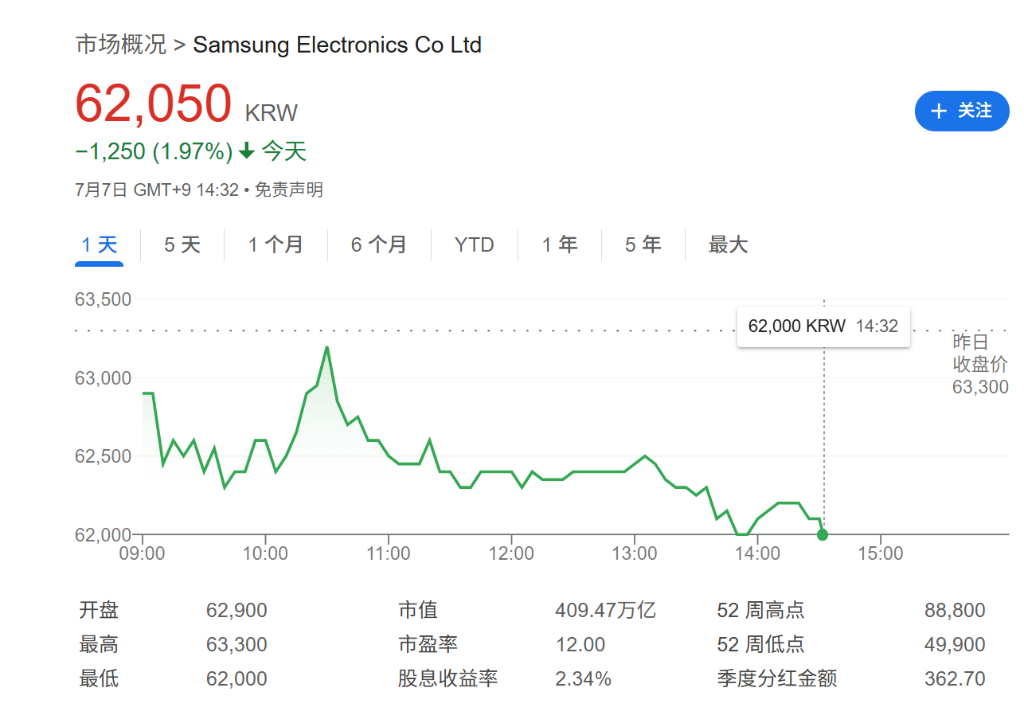
AI芯片销售疲弱,三星电子第二季度运营利润或将下降 39%
硬AI· 2025-07-07 14:52
Core Viewpoint - Samsung Electronics is expected to report an operating profit of 6.3 trillion KRW (approximately 4.62 billion USD) for the second quarter, marking a 39% decline from 10.4 trillion KRW in the same period last year, which is the lowest profit in six quarters due to delays in supplying advanced memory chips to NVIDIA [1][2]. Group 1: Operating Profit and Market Performance - The anticipated operating profit of 6.3 trillion KRW for Q2 represents a significant drop of 39% year-on-year, indicating ongoing challenges in the memory chip sector [2]. - Samsung's stock has increased by approximately 19% this year, but this performance lags behind the KOSPI index's 27.3% rise, making it the worst-performing stock among major memory chip manufacturers this year [2]. Group 2: Challenges in High Bandwidth Memory Supply - Samsung's difficulties in the high bandwidth memory (HBM) segment are primarily due to slow progress in obtaining NVIDIA certification for its latest HBM3E 12-layer chip, which has delayed shipments [2]. - Analysts predict that Samsung's HBM revenue may remain stagnant in Q2, as the company has not yet started supplying the new chip to NVIDIA [2]. Group 3: Trade Policy Uncertainties - Multiple core businesses of Samsung, including chips, smartphones, and home appliances, face uncertainties stemming from U.S. trade policies, which could impact future performance [3]. - Proposed tariffs on smartphones produced overseas, including those from Samsung, could further complicate the company's market position, although smartphone sales are expected to remain robust due to potential preemptive stocking by distributors [3].


AI芯片销售疲弱,三星电子第二季度运营利润或将下降 39%
Hua Er Jie Jian Wen· 2025-07-07 06:43
Core Viewpoint - Samsung Electronics is expected to experience a significant decline in operating profit for Q2 due to delays in supplying advanced AI memory chips to Nvidia, with a projected profit of 6.3 trillion KRW (approximately 46.2 billion USD), down 39% from 10.4 trillion KRW in the same period last year, marking the lowest level in six quarters [1] Group 1: Financial Performance - Samsung's Q2 operating profit is projected to be 6.3 trillion KRW (46.2 billion USD), a 39% decrease from the previous year's 10.4 trillion KRW [1] - The company's stock price has increased by approximately 19% this year, but this is underperforming compared to the KOSPI index's 27.3% rise, making it the worst-performing stock among major memory chip manufacturers [1] Group 2: Market Challenges - Samsung's struggles in the high-bandwidth memory (HBM) segment are primarily due to slow progress in obtaining Nvidia certification for its latest HBM3E 12-layer chip, with expectations that HBM revenue may remain unchanged in Q2 [3] - The company has begun supplying the HBM3E chip to AMD but has not started shipments to Nvidia, which is expected to limit new chip shipments to Nvidia this year [3] - Ongoing uncertainties related to U.S. trade policies pose risks to Samsung's core businesses, including chips, smartphones, and home appliances, with potential tariffs on smartphones produced overseas adding to the challenges [3] Group 3: Smartphone Sales Outlook - Despite the challenges, analysts expect Samsung's smartphone sales to remain robust, partly due to potential U.S. tariffs on imported smartphones prompting distributors to stock up in advance [4]