HSD(地平线城区辅助驾驶方案)

Search documents
“凯式布道”和“苏式焦虑”背后 地平线的野心是什么?
Xin Lang Cai Jing· 2025-12-17 14:19
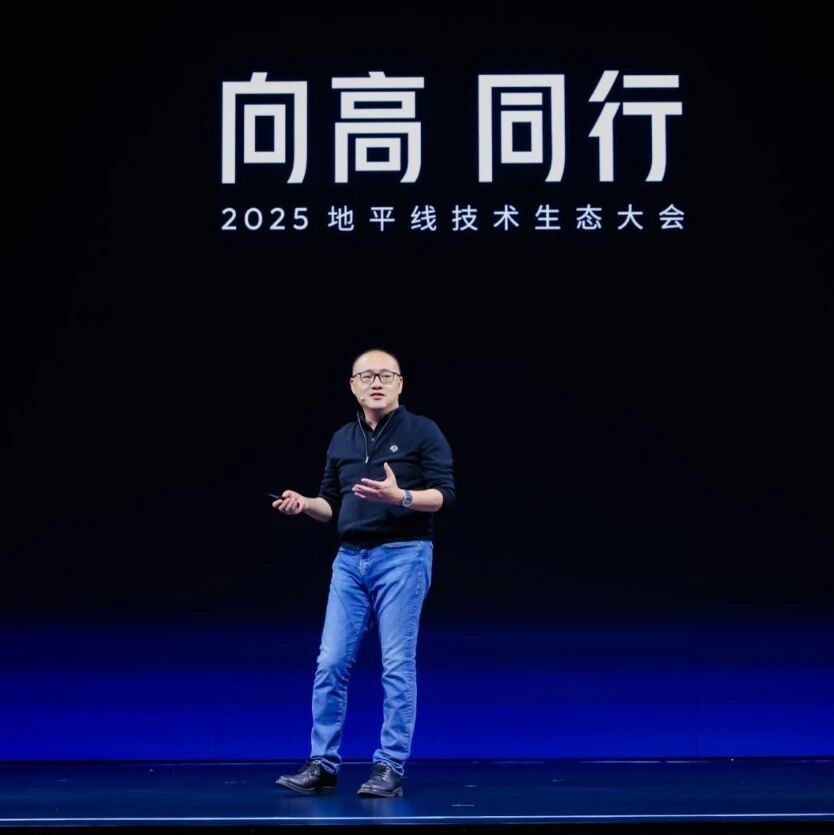
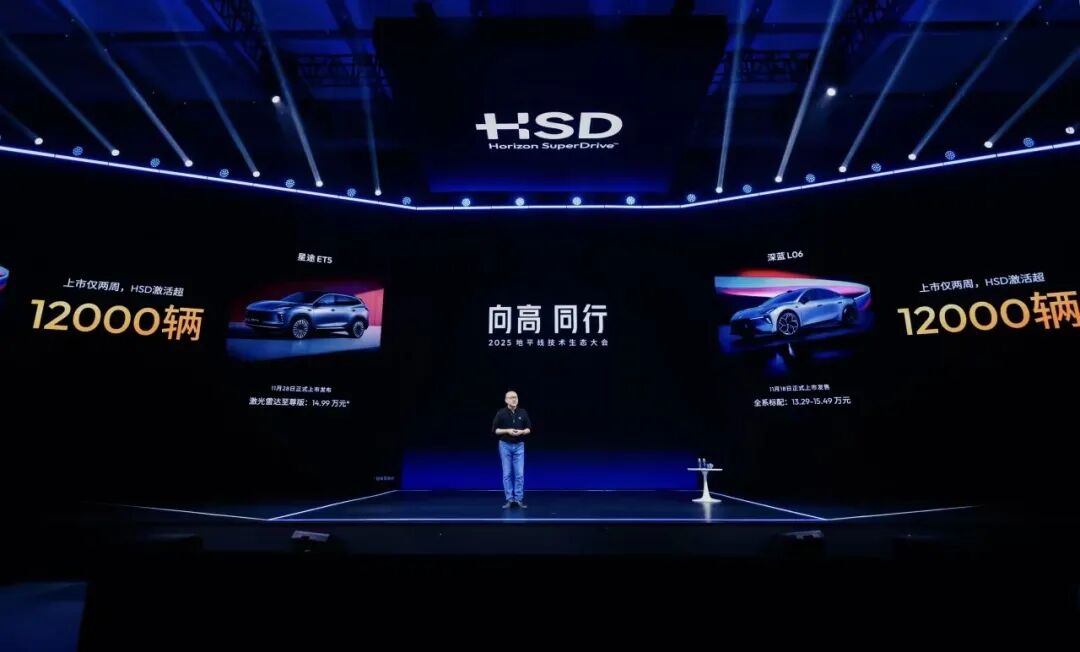
Core Insights - Horizon Robotics, led by CEO Yu Kai, aims to solidify its position in the smart technology sector through its first technology ecosystem conference, showcasing its ADAS and AD solutions [2][15] - The company is transitioning from a chip supplier to an integrated technology service provider, emphasizing the importance of ecosystem collaboration over in-house development by automakers [3][16] Group 1: Company Strategy and Vision - Yu Kai's vision includes making advanced driving technology accessible to the mass market, with the goal of integrating smart driving into vehicles priced under 150,000 yuan [18] - Horizon Robotics has launched the HSD (Horizon City Driving) system, achieving over 12,000 activations within two weeks of its launch, indicating strong market demand [18] - The company plans to expand its ecosystem by offering a full-stack solution that includes chips, algorithms, and reference designs, which can significantly reduce development cycles for automakers [19][20] Group 2: Technological Developments - The HSD system's mass production marks a significant step towards Yu Kai's vision of becoming a foundational player in the robotics era, likening the company to a "Wintel" for the robotics industry [19] - Horizon Robotics is focusing on three technological pillars: BPU, compilers, and algorithms, with the fourth-generation BPU architecture and compiler serving as the foundation for both smart driving and general robotics [19] - The introduction of the "HSD Together" model aims to alleviate challenges faced by automakers, such as high training costs and talent shortages, by allowing them to build on Horizon's validated algorithms [20][25] Group 3: Market Position and Competition - Horizon Robotics is positioning itself to capture a significant share of the market by targeting vehicles priced at 130,000 yuan and below, with plans to enter the 100,000 yuan national car market [21][26] - The company views Tesla as its primary competitor, with the upcoming release of Tesla's FSD V12 expected to set a new standard in the industry [23] - The automotive ecosystem is becoming increasingly competitive, with various players, including Huawei, also vying for dominance in the smart driving space [17][26] Group 4: Industry Challenges and Collaboration - The industry faces significant challenges, including high costs of AI training, scarcity of top talent, and imbalanced iteration speeds, which Horizon aims to address through collaborative ecosystem models [20][25] - There is a consensus among industry players that building a collaborative ecosystem is essential for overcoming the technological and scalability gaps in smart driving [25][27] - The shift in supplier roles is evident, with companies like Horizon Robotics moving from behind-the-scenes support to defining technology routes and participating in standard-setting [27]

定位“不造车的特斯拉”,地平线靠生态赢
华尔街见闻· 2025-12-10 10:12
Core Viewpoint - Horizon aims to democratize advanced driving assistance systems (ADAS) by making them accessible in vehicles priced around 100,000 yuan, targeting mass production of millions within 3 to 5 years [1][30]. Group 1: Strategic Positioning - Horizon is positioning itself as an "enabler" rather than a "disruptor," contrasting with Tesla's vertical integration approach by focusing on an open ecosystem for smart driving technology [4][5]. - The company emphasizes a "Wintel-style" soft-hard integration technology path, aiming to provide a foundational computing platform for the industry [4][9]. - Horizon's strategy reflects a shift from "high pursuit" to "high collaboration," promoting shared technological advancements across the industry [6][8]. Group 2: Market Impact and Collaborations - Horizon's chips have surpassed 10 million units shipped, with one in three smart cars in China utilizing their technology [2][26]. - The company has established deep collaborations with major domestic brands, such as Chery, to enhance the adoption of its HSD (Horizon City Driving) solution [12][13]. - Horizon's partnerships with global Tier-1 suppliers like Bosch and Continental validate its technology and business model on an international scale [15][26]. Group 3: Technological Advancements - Horizon's BPU (Brain Processing Unit) architecture has evolved significantly, achieving over 1000 times performance improvement in ten years, surpassing traditional Moore's Law [18]. - The latest Riemann architecture enhances computational capabilities, supporting advanced applications in both smart driving and robotics [18][20]. - The introduction of the fourth-generation AI-driven compiler "Tiangong Kaiwu" improves model performance by 20% and reduces compilation time from hours to minutes [19]. Group 4: Business Model Innovation - Horizon's "HSD Together" model allows partners to access modularized services, significantly reducing development costs and time by up to 90% [24]. - The company aims to create an ecosystem that is "more open than open," facilitating widespread adoption of its technologies across various applications, including robotaxis and consumer robots [24][25]. - Horizon's approach to not manufacturing vehicles but instead providing a robust computing platform is seen as a new industrial relationship model, promoting collaboration over competition [15][26]. Group 5: Future Outlook - Horizon is set to compete directly with Tesla's next-generation AI chip, marking a significant milestone in its technological race [33][34]. - The company is committed to making advanced driving technologies accessible to the mass market, particularly in the 100,000 yuan vehicle segment, which constitutes over 50% of the Chinese passenger car market [30][31]. - Horizon's vision of "high collaboration" aims to democratize smart technology, positioning it as a key player in the global physical intelligence revolution [34][35].