IT管理软件

Search documents
新“次贷危机”?美国PE的“软件业贷款敞口”比财报显示的更大
Hua Er Jie Jian Wen· 2026-02-14 02:51
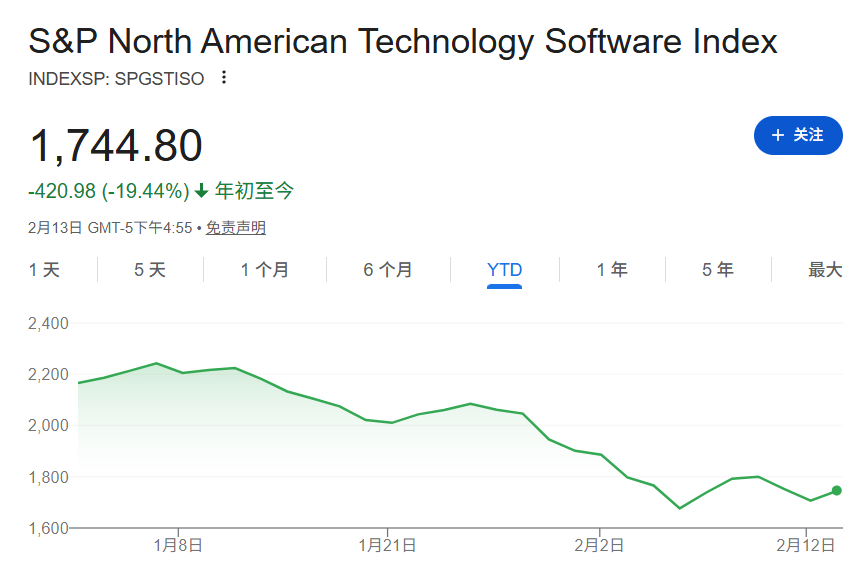
Core Insights - The private credit industry's actual loan exposure to the software sector may significantly exceed disclosed levels, with at least 250 investments worth over $9 billion not classified as software loans despite being defined as such by other lenders or sponsors [1][2] - The software sector has become the largest single industry exposure for Business Development Companies (BDCs), accounting for approximately 20% of all loans held by BDCs, compared to 13% in the broader leveraged loan market [2][6] - The classification inconsistencies among BDCs complicate the assessment of risk exposure, especially as AI technologies threaten traditional software business models [1][7] Group 1: Classification Issues - A review of disclosures from major BDCs revealed that software companies are often categorized under different industry classifications, leading to a lack of clarity regarding their actual exposure [3][4] - For instance, companies like Pricefx and Kaseya, which identify as software firms, have been classified as "business services" and "professional retail" respectively by their lenders, highlighting the discrepancies in classification standards [3][4] - This inconsistency extends even within the same company, as seen with Blue Owl Capital, where the same firms are classified differently across various funds [5] Group 2: Market Risks and Concerns - The influx of private equity funds into the software sector has been significant, with approximately 30% of private equity capital flowing into this industry over the past decade, and software accounting for 40% of all sponsor-backed private credit [6] - Recent advancements in AI technology have raised concerns about the future of software businesses, with the S&P North American Software Index dropping over 20% this year, indicating heightened market anxiety [7][10] - Analysts warn that the ongoing AI revolution is fundamentally altering the software industry, rendering historical classification guidelines obsolete and increasing scrutiny on private credit managers [10]