新次贷危机

Search documents
新“次贷危机”?美国PE的“软件业贷款敞口”比财报显示的更大
Hua Er Jie Jian Wen· 2026-02-14 02:51
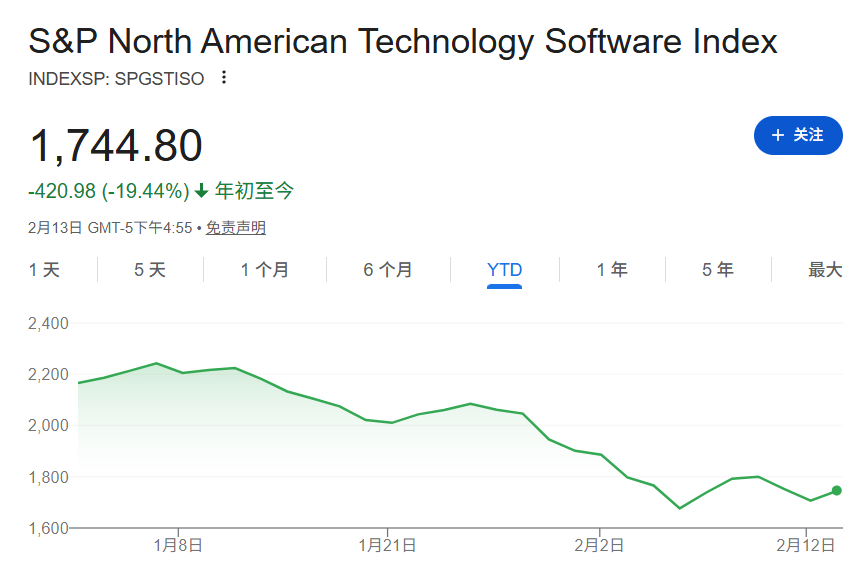
Core Insights - The private credit industry's actual loan exposure to the software sector may significantly exceed disclosed levels, with at least 250 investments worth over $9 billion not classified as software loans despite being defined as such by other lenders or sponsors [1][2] - The software sector has become the largest single industry exposure for Business Development Companies (BDCs), accounting for approximately 20% of all loans held by BDCs, compared to 13% in the broader leveraged loan market [2][6] - The classification inconsistencies among BDCs complicate the assessment of risk exposure, especially as AI technologies threaten traditional software business models [1][7] Group 1: Classification Issues - A review of disclosures from major BDCs revealed that software companies are often categorized under different industry classifications, leading to a lack of clarity regarding their actual exposure [3][4] - For instance, companies like Pricefx and Kaseya, which identify as software firms, have been classified as "business services" and "professional retail" respectively by their lenders, highlighting the discrepancies in classification standards [3][4] - This inconsistency extends even within the same company, as seen with Blue Owl Capital, where the same firms are classified differently across various funds [5] Group 2: Market Risks and Concerns - The influx of private equity funds into the software sector has been significant, with approximately 30% of private equity capital flowing into this industry over the past decade, and software accounting for 40% of all sponsor-backed private credit [6] - Recent advancements in AI technology have raised concerns about the future of software businesses, with the S&P North American Software Index dropping over 20% this year, indicating heightened market anxiety [7][10] - Analysts warn that the ongoing AI revolution is fundamentally altering the software industry, rendering historical classification guidelines obsolete and increasing scrutiny on private credit managers [10]


连锁反应开始了!耶鲁之后,哈佛开始抛售私募股权资产
华尔街见闻· 2025-04-25 03:45
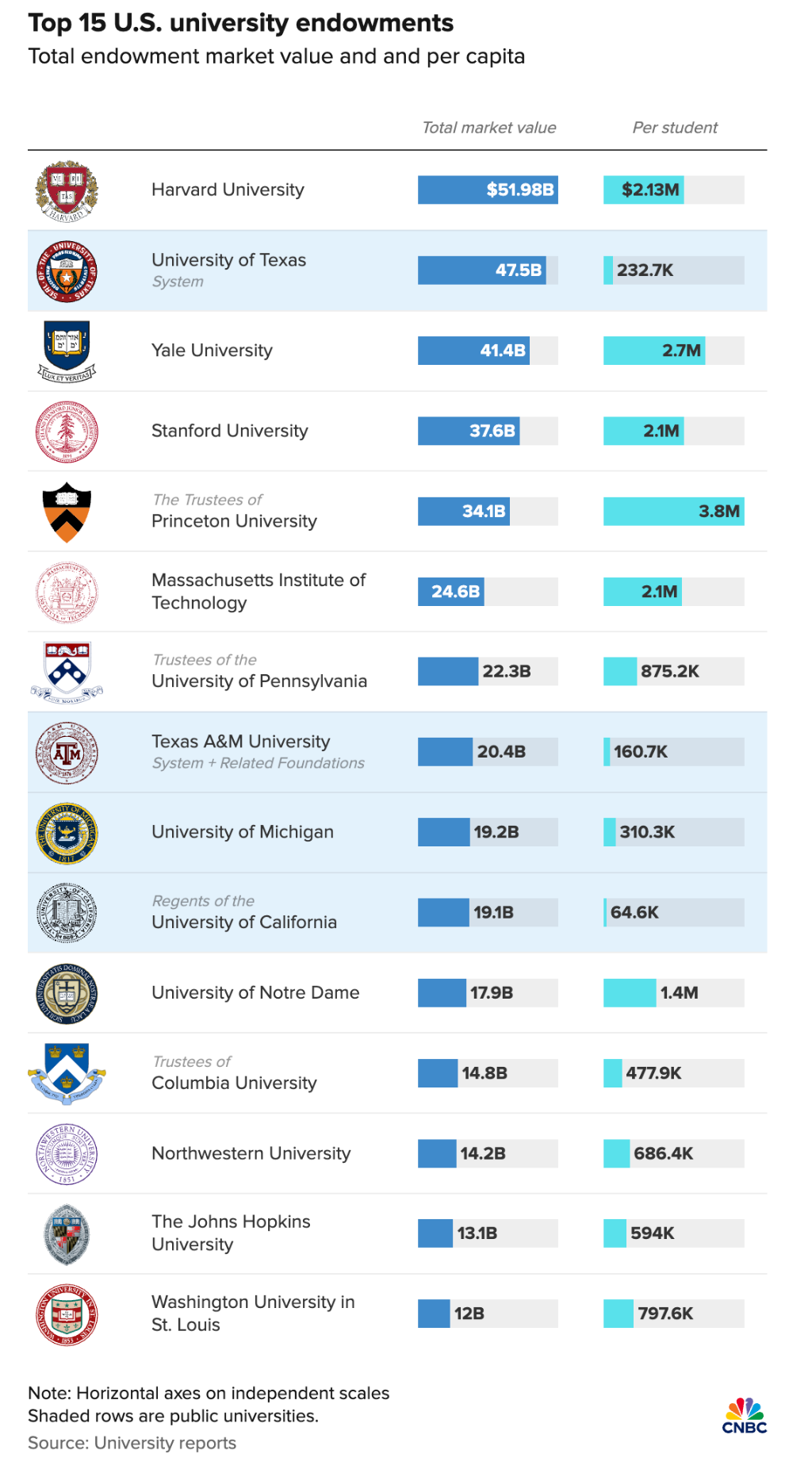
耶鲁之后,哈佛也扛不住了?"新次贷"大雷正在慢慢露出水面。 根据媒体报道, 掌管着高达530亿美元资产的哈佛捐赠基金管理公司正在与杰富瑞合作,计划将其价值约10亿美元的私募股权基金投资组合出售给Lexington Partners。 据知情人士向媒体透露,谈判已进入后期阶段,但交易条款尚未最终敲定,仍存变数。 Lexington Partners作为Franklin Resources Inc.旗下的子公司,是二级市场交易领域最大的参与者之一,去年刚完成了一支创纪录的227亿美元二级市场基金 募集。该人士还提到,Lexington最终可能会引入其他合作伙伴共同完成此次收购。 此前, 有消息称 耶鲁大学也正寻求大规模出售其私募股权投资组合,交易规模可能高达60亿美元,这凸显了大型机构投资者(LPs)普遍面临的流动性困境。 流动性困境:私募股权回报放缓与巨额未缴承诺 哈佛大学此番出售行动,折射出当前私募股权市场面临的严峻现实。 | | | As of June 30, 2024 | | As of June 30, 2023 | | | | --- | --- | --- | --- | --- | --- | ...
要变天了?耶鲁甩卖440亿资产
投中网· 2025-04-24 06:29
将投中网设为"星标⭐",第一时间收获最新推送 局面可能会有多严重? 作者丨 陶辉东 来源丨 投中网 如果连耶鲁大学捐赠基金也顶不住了,情况恐怕已经非常糟糕。 近日,Secondaries Investor爆出了一条消息:耶鲁大学捐赠基金正在S市场上出售其私募股权投资组合,且规模可能高达60亿美元(约440亿人民 币)。 当下,全球PE市场正被 美股 4月股灾搞的风声鹤唳,这条新闻一出立刻引起了高度关注。 从2022年以来,全球PE市场就在"退出难",作为LP寻求通过S交易实现退出,这并不是一件多么不同寻常的事。然而,耶鲁大学捐赠基金的这次抛 售,怎么看都不像是一次普通的S交易。 首先,这将是近年来全球PE市场上最大的一笔由LP发起的S交易,必将极大改变耶鲁大学捐赠基金的资产配置结构。从5年前开始,耶鲁大学捐赠基金 就不再发布基金年报,其私募股权投资的具体规模不得而知,一般认为在200亿美元以上,约占耶鲁大学捐赠基金414亿美元总规模的一半。无论从绝 对值还是比例来看,60亿美元的抛售规模都是非常巨大的。 然而,在突如其来的外部风险冲击下,"耶鲁模式"的神话或许正在破灭。 "耶鲁模式"的成功得益于一些隐含条件。 ...
面对特朗普威胁,哈佛、普林斯顿等开始“搞钱”
Hua Er Jie Jian Wen· 2025-04-23 13:40
Core Insights - Elite universities in the U.S. are urgently raising cash in response to unprecedented pressure from the Trump administration, with Princeton issuing $320 million in bonds, Northwestern securing $500 million, and Harvard raising $750 million [1][3] - The Trump administration has threatened over $10 billion in funding for higher education institutions, claiming these actions are aimed at protecting Jewish students and targeting diversity, equity, and inclusion (DEI) programs [2] - The current turmoil in the private equity market, combined with the financial pressures on universities, raises concerns about a potential new "subprime crisis" that could have widespread implications [7][8] Funding and Financial Strategies - Universities are issuing taxable bonds despite higher interest rates, as they face a challenging market environment [3][6] - Harvard's endowment, exceeding $50 billion, is largely locked in long-term investments, limiting liquidity and forcing universities to seek external financing [6] - Some universities are exploring the sale of private equity assets in the secondary market to alleviate financial pressures, a move that is rare in the history of educational endowments [8] Market Conditions and Risks - The private equity sector is experiencing a perfect storm of asset lock-up, trading stagnation, and liquidity crises, leading to concerns about the undervaluation of risks [7] - Analysts warn that the potential volatility of private equity assets has been masked for years, and without central bank support, the situation could worsen [7] - The financial strain on elite universities is unprecedented, as they navigate a landscape of reduced federal support and increased operational uncertainty [2][8]
哈佛、耶鲁抛售“私募资产”?美国“新次贷”危机正在酝酿?
美股研究社· 2025-04-21 10:55
Core Viewpoint - The article discusses the significant market implications of Yale University's decision to sell a portion of its $60 billion private equity investment portfolio, marking the first time the institution has sold private assets in the secondary market. This move is seen as a response to political pressure and potential liquidity issues, raising concerns about a looming "new subprime crisis" in the private equity market [4][16]. Group 1: Yale and Harvard's Financial Strategies - Yale University is preparing to sell approximately $60 billion in private equity investments, which constitutes about 15% of its $41.4 billion endowment fund [4][15]. - Harvard University, with an endowment of nearly $52 billion, is also under scrutiny as it faces potential loss of tax-exempt status, which could force it to liquidate more assets or incur significant debt [4][6]. Group 2: Risks in the Private Equity Market - The private equity sector is currently experiencing a "perfect storm" characterized by slowed transaction activity, valuation discrepancies, and tightened capital return channels, leading to a dual crisis of "asset entrapment" and "valuation crisis" [10][11]. - Major private equity firms like Apollo, Blackstone, and KKR have seen stock prices drop over 20% this year, underperforming the S&P 500 index [10]. Group 3: Structural Issues in Endowment Funds - The traditional investment strategy of elite universities, which heavily invested in high-risk alternative assets, is now facing challenges due to changing market conditions and liquidity constraints [6][12]. - Harvard is reportedly resorting to debt financing to cover operational costs, indicating a liquidity crisis within what was once considered "permanent capital" [13]. Group 4: Potential for a New Crisis - Analysts suggest that the current situation resembles characteristics of a "new subprime crisis," with high leverage, exposure, and liquidity exhaustion posing systemic risks [17]. - The crisis may not manifest suddenly but could spread gradually through institutional channels, affecting various sectors from universities to private equity and venture capital [18].

美国“新次贷”大雷,哈佛耶鲁引爆?
华尔街见闻· 2025-04-20 12:13
Core Viewpoint - The private equity industry on Wall Street is facing a perfect storm characterized by asset lock-up, trading deadlock, valuation crises, and liquidity exhaustion [1][20]. Group 1: Impact of Ivy League Universities - Ivy League universities, particularly Yale and Harvard, are under pressure to sell private equity investments due to threats from the Trump administration regarding their tax-exempt status [3][4]. - Yale University is reportedly seeking to sell up to $6 billion of its private equity portfolio, which represents 15% of its $41.4 billion endowment fund, marking its first secondary market sale [3][7]. - Harvard's endowment fund, which is close to $52 billion, has a significant portion (approximately 40%) invested in private equity, indicating a high exposure to market risks [9][11]. Group 2: Market Reactions and Potential Crisis - The potential sell-off by these prestigious universities could signal a broader crisis in the private equity market, reminiscent of a new "subprime crisis," leading to a revaluation of private equity assets [4][21]. - The ongoing trading deadlock and the significant drop in stock prices of major private equity firms like Apollo, Blackstone, and KKR (over 20% this year) further exacerbate the situation [20]. - Analysts warn that if Harvard is forced to liquidate its liquid assets, it could trigger a chain reaction affecting hedge funds and venture capital supported by endowment funds [25][26]. Group 3: Structural Issues in Endowment Funds - The traditional model of endowment funds, which emphasizes long-term investments with low liquidity and tax advantages, is under threat as political pressures mount [5][25]. - The shift in investment strategy, particularly Harvard's reduction of real estate and natural resources investments from 25% to 6% in favor of private equity, highlights the risks associated with high exposure to illiquid assets [14]. - The current environment suggests that liquidity, once a secondary concern, is now a critical issue for these institutions, potentially leading to a tightening effect in capital markets [26].