KTV音响/点歌机

Search documents
2026年货消费观察 |“焕新式年货”,这些上市公司正占领市场
Xin Lang Cai Jing· 2026-02-15 00:02
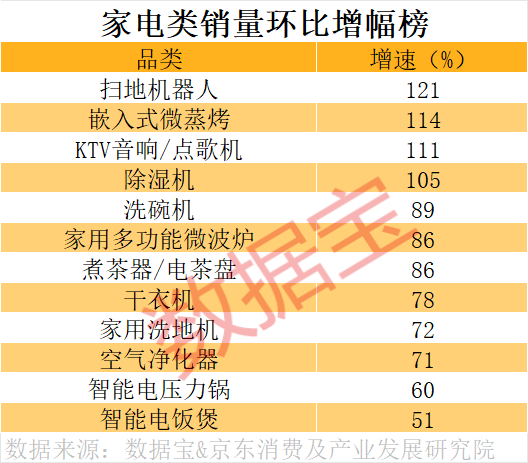
Core Insights - The definition of "New Year goods" is evolving, with traditional items being replaced by more technologically advanced and practical "smart goods" as consumer preferences shift towards enhancing the quality of life for parents [1][10] - The rise of "smart New Year goods" is particularly notable in rural markets, where products like smart home appliances are becoming popular choices among younger consumers [1][11] Consumer Trends - Young consumers are increasingly opting for gifts that improve their parents' quality of life, such as dishwashers and robotic vacuum cleaners, rather than traditional gifts like alcohol and grains [2][11] - The sales of smart appliances have seen significant growth, with robotic vacuum cleaners increasing by 121% and embedded micro-steaming ovens by 114% during the festive season [3][11] Market Dynamics - The improvement of logistics, 5G network coverage, and payment environments in rural areas has made online shopping for smart appliances more accessible [6][16] - Government subsidies ranging from 10% to 15% for green smart appliances have further lowered the consumption threshold for rural residents [6][16] Industry Response - Home appliance companies are adapting their product strategies to meet the needs of rural consumers, offering customizable and easy-to-install devices [7][17] - Brands are launching special promotional packages for the New Year, combining multiple smart appliances with discounts and installment payment options to stimulate demand [7][17] Investment Opportunities - High dividend-yielding companies in the home appliance sector are attracting attention, with companies like Gree Electric, Supor, and Hisense showing dividend yields above 3% [8][18] - Supor is noted for its nearly 100% dividend payout ratio for 2024, indicating strong financial health and investor interest [8][18]




京东年货消费观察:智能家电成“老家年货”焕新主力 马年吉祥话丰富有趣加持礼盒增长
Sou Hu Wang· 2026-02-06 03:47
Core Insights - The article highlights the significant increase in consumer activity and planning for purchasing New Year goods, reflecting a strong cultural emphasis on the rituals associated with the Spring Festival [3][11][23] Consumer Behavior - 68.8% of consumers start planning their New Year purchases more than two weeks in advance, with 21% beginning around the time of the Little New Year, indicating a strong sense of ritual [3][11] - Over 82.6% of consumers create shopping plans before purchasing, with 40% categorizing themselves as "highly planned" shoppers [3][4] Purchasing Trends - Nearly 79.4% of consumers buy different types of New Year goods in phases, prioritizing high-value items and gifts first, followed by daily necessities [4][11] - The purchasing rhythm is divided into three phases: pre-Laba, pre-Little New Year, and the days leading up to New Year's Eve, with specific items prioritized at each stage [4][12] New Year Goods - New Year goods are evolving, with "good fortune" items and tech products leading the market, alongside a rise in pet-related purchases and service consumption [5][19] - 84.5% of consumers show interest in zodiac-themed goods for the Year of the Horse, with a notable demand for items that carry auspicious meanings [6][21] Market Dynamics - The sales of home appliances in rural areas have surged, with products like robotic vacuum cleaners and multi-functional cooking devices seeing significant growth [7][22] - The demand for home cleaning services has increased, with 36.5% of consumers opting for these services to prepare for the New Year [18] Cultural Significance - The article emphasizes the emotional and cultural significance of New Year purchases, with consumers seeking to enhance family gatherings and traditional rituals [9][23] - The integration of pets into New Year celebrations reflects a broader trend of personalizing holiday experiences [19][23]