Lightware OS

Search documents
光帆科技完成近3亿元种子轮系列融资:产业巨头集体押注「AI赛道稀缺标的」
IPO早知道· 2026-03-04 05:19
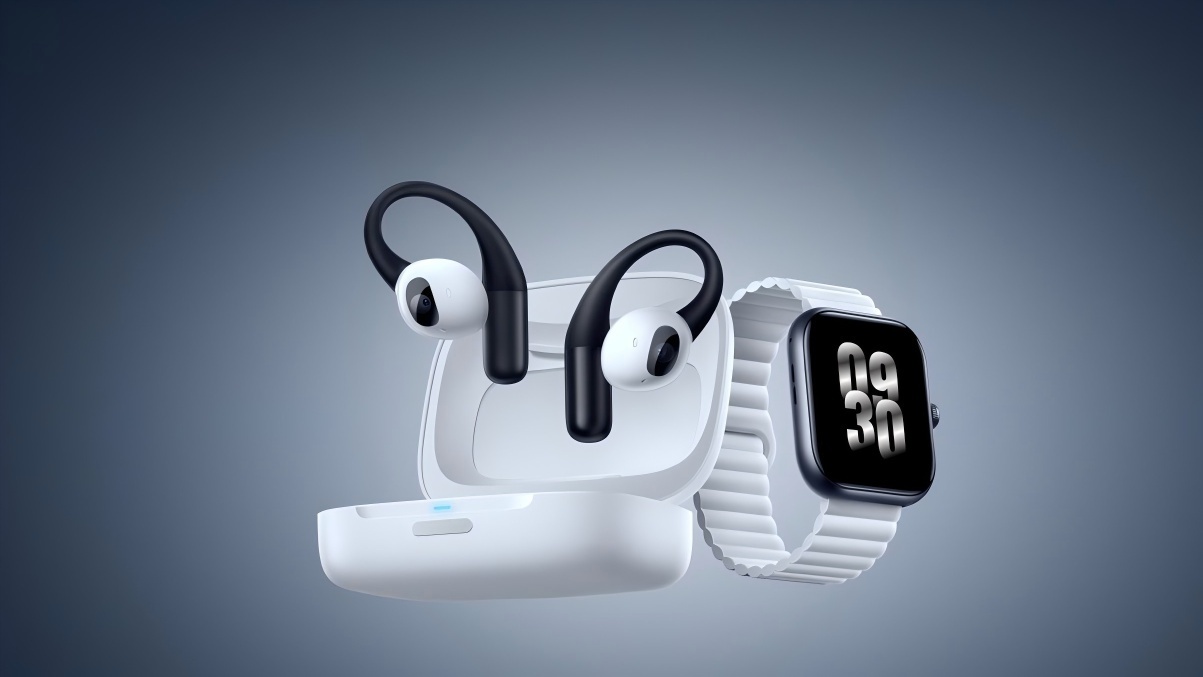
Core Viewpoint - The article discusses the launch of the world's first active AI headphones and all-sensing wearable devices by Guangfan Technology, highlighting its potential in the AI wearable hardware and Agent OS market, which is expected to experience significant growth. Group 1: Company Overview - Guangfan Technology completed seed funding rounds totaling nearly 300 million RMB within a year, attracting investments from major industry players such as Lenovo and Xiaopeng [2] - Founded in October 2024 by a former Xiaomi team member, Guangfan Technology aims to create next-generation smart terminals and an open Agent OS [3] Group 2: Product Launch - Guangfan Technology officially launched the world's first active AI headphones and all-sensing wearable devices on December 23, 2025, featuring a dual-vision perception module for real-time environmental understanding [5][7] - The Lightwear AI all-sensing wearable device operates independently from smartphones, providing seamless connectivity and high-precision GPS for various scenarios [7] Group 3: Market Potential - The AI wearable hardware and Agent OS sector is anticipated to reach a market size of hundreds of billions, driven by advancements in human-computer interaction [8] - Industry leaders believe that Guangfan Technology's innovations will redefine personal AI assistants and support seamless interactions in smart vehicles and robotics [8]

耳机上长出摄像头,但它不是给人用的
3 6 Ke· 2025-12-30 00:02
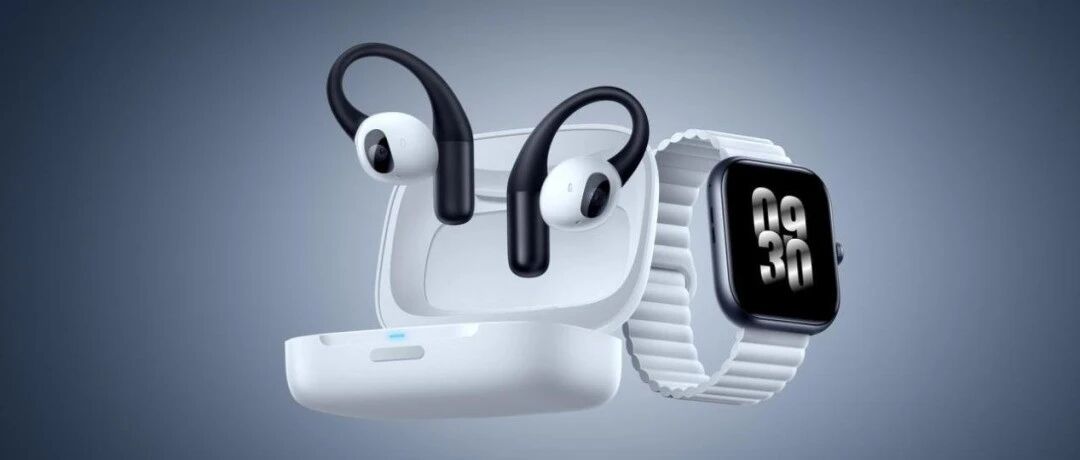
Core Insights - Lightwear AI All-Sensory Smart Set is a unique product that combines smart headphones and a smartwatch, featuring 2 million pixel cameras on each earbud and an independent operational capability without a smartphone [1][5][19] - The design challenges conventional aesthetics and privacy concerns, but aligns with a broader industry trend towards multi-modal AI products [3][4][7] - The product aims to enhance AI's understanding of the world by integrating visual capabilities, which is essential for the next generation of AI interactions [6][20] Company Overview - Founded in October 2024, Lightwear Technology is led by Dong Hongguang, a former core member of Xiaomi's founding team, with a strong background in software and hardware development [5] - The company has rapidly raised 130 million RMB in funding within three months, achieving a post-investment valuation of over 500 million RMB, with notable investors from the audio and high-tech manufacturing sectors [5][24] Product Features - Each earbud weighs 11g and includes a camera designed for AI context understanding rather than traditional photography, utilizing a "burn after reading" image processing mechanism to protect user privacy [11][19][20] - The device supports various high-frequency use cases such as restaurant recommendations, travel arrangements, and shopping assistance, all without needing to interact with a smartphone [16][18][24] Market Positioning - The product is positioned in a competitive landscape where AI devices with cameras are becoming a consensus direction among major tech companies [7][30] - Lightwear's approach is seen as a response to the limitations of existing AI headphones, which are primarily audio-focused and have reached market saturation [13][29] Future Outlook - The design and functionality of Lightwear are viewed as a transitional phase in the evolution of AI hardware, with expectations for further refinement and acceptance in the market [26][29] - The integration of AI capabilities into wearable technology is anticipated to reshape human-computer interaction, leading to more innovative product forms in the future [30]
光帆科技发布全球首款具备视觉感知能力的主动式AI耳机
Xin Lang Cai Jing· 2025-12-25 11:42
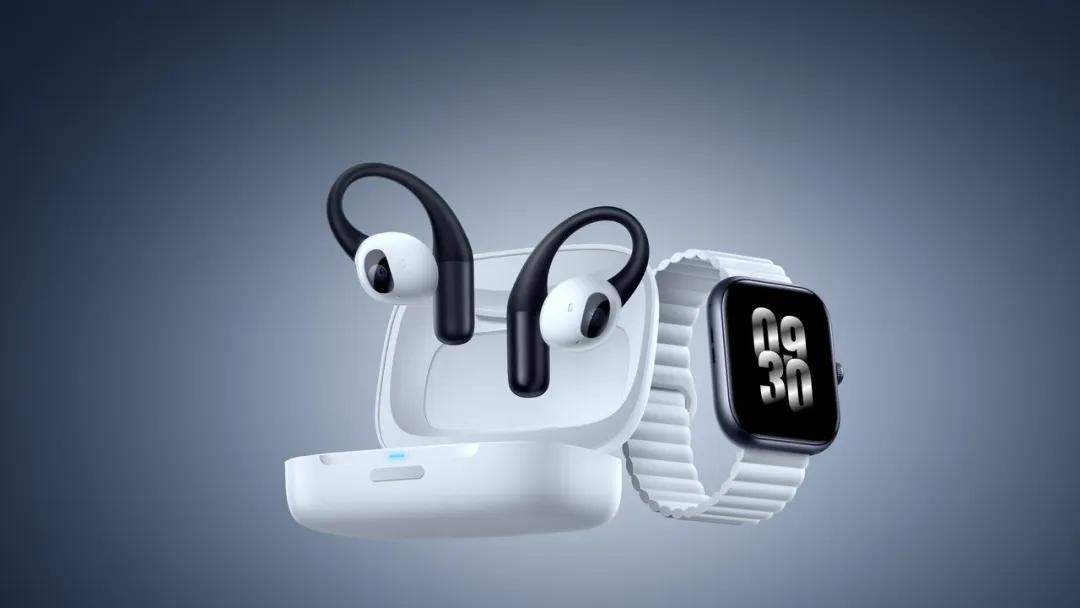
Core Insights - The article discusses the launch of the world's first active AI headphones with visual perception capabilities by Lightwave Technology, aiming to redefine human-computer interaction in the AI era [1][5]. Product Features - The Lightwear AI wearable device consists of an open-ear AI headphone and a smart watch, featuring a self-developed AI operating system called Lightware OS [1][3]. - The device includes a dual-vision perception module that allows the AI to understand the surrounding environment and provide context-aware services [2][6]. - The headphones utilize a low-power voice and image wake-up technology, offering a 9-hour talk time and weighing only 11 grams per ear [2][6]. - Made from medical-grade liquid silicone, the headphones are the first open-ear model to receive SGS comfort certification [2][6]. - The device can operate independently from a smartphone, thanks to an embedded eSIM card and high-precision GPS module, enhancing user experience during activities [2][6]. Integration and User Experience - The smart watch complements the headphones by providing a color display and touch capabilities, allowing users to access key information without diverting their gaze [2][7]. - The watch collects various health metrics, enabling the AI to adjust its services based on the user's physical state, such as providing reminders during high-stress situations [2][7]. - Lightwear is positioned as a synergistic system rather than a simple combination of headphones and a watch, aiming for an enhanced overall AI experience [3][7]. Market Position and Future Plans - Lightwave Technology plans to officially launch the Lightwear AI wearable device in the first quarter of the following year, with pre-orders already open and a user testing program set to begin in mid-January [3][7]. - The company has successfully completed multiple rounds of financing within its first year, attracting investments from major industry players such as Shokz, GoerTek, Lenovo, CATL, and GigaDevice [3][7].
摆脱智能手机,可穿戴设备是否存在另一条AI路线?
Tai Mei Ti A P P· 2025-12-25 08:29
Core Insights - The emergence of AI large models has led hardware manufacturers to believe that existing terminal devices can be reimagined, with AI glasses seen as a potential successor to smartphones [2] - Current AI glasses face limitations in terms of battery life, weight, and performance, making them unsuitable for all-day wear [2] - Lightyear Technology has launched its first active AI headphones with visual perception capabilities, aiming to transform user interactions by autonomously handling high-frequency tasks in daily life [2][4] Group 1: AI Hardware Development - The ideal AI hardware should not merely extend existing devices like smartphones or glasses, as stated by the founder of Lightyear Technology, who emphasizes the need for independence from mobile devices [3] - The founder's background at Xiaomi and his vision for AI hardware development highlight a shift towards more autonomous and user-friendly devices [3] Group 2: Lightwear AI Wearable Device - Lightyear Technology introduced the Lightwear AI wearable device, which combines headphones and a smartwatch, featuring dual-vision perception modules to understand the environment and provide tailored services [4] - The smartwatch works in tandem with the headphones to present key information without distracting the user, while also monitoring various health metrics [4] Group 3: Independent Operation and OS - The Lightwear AI device operates independently of smartphones, thanks to its native AI operating system, Lightware OS, which allows for autonomous task execution [6][5] - Lightware OS connects multiple large models and sensors, functioning as a smart hub that simplifies the development of AI hardware and applications [7] Group 4: Enhanced User Experience - The device can autonomously complete tasks based on user commands, such as restaurant recommendations and travel arrangements, without needing a smartphone [5][8] - The integration of eSIM and high-precision GPS enables the device to function independently, enhancing user experience in various scenarios [8] Group 5: Future of AI Hardware - The founder suggests that the future of AI hardware will move towards multi-device collaboration, with a cloud-based system controlling various devices to execute user commands [9]

光帆科技推出全感穿戴设备 董红光:以AI重构人机交互新范式
Huan Qiu Wang· 2025-12-25 04:26
Core Insights - The article discusses the launch of a new all-sensory wearable device by Guangfan Technology, which integrates an AI headset and a smartwatch, operating independently without a smartphone, and providing proactive intelligent services for various daily tasks [1][3]. Product Features - The device aims to create a true "AI assistant" rather than just an extension of traditional hardware, utilizing a collaborative software and hardware approach to achieve full sensory interaction capabilities [3]. - It features a low-resolution camera for visual perception, which is sufficient for object and scene recognition, thus optimizing size and power consumption while enhancing user experience [3]. - The device achieves a 9-hour talk time through a balanced approach to computing power and battery design, ensuring lightweight and comfortable wear [4]. Industry Trends - The core change in the AI era is the decoupling of interaction and computing power, with wearable devices serving as more suitable interaction points compared to smartphones [4]. - Future AI hardware is expected to move towards multi-device collaboration, with cloud-based systems connecting various devices to provide unified services [6]. Ecosystem Strategy - Guangfan Technology adopts an open cooperation strategy, integrating third-party services for ride-hailing and shopping, focusing on hardware and operating system development while allowing developers to concentrate on business implementation [6]. - The company's competitive advantage lies in its system capability through software and hardware collaboration, employing a development model that prioritizes software needs before hardware design [6].