主动式AI

Search documents
未来是AI彼此竞争,人变得不重要
虎嗅APP· 2026-03-20 09:32
Group 1 - The core argument of the article is that AI is reshaping the competitive landscape in technology, with a focus on the implications of AI on employment and productivity in major companies like Google and Amazon [4][5][6]. - The recent layoffs in Silicon Valley are attributed not solely to AI's efficiency but rather to pre-existing redundancies within companies, which are now using AI as a justification for workforce reductions [5][6]. - Companies are under pressure to adapt to the AI landscape, leading to a shift in focus and resources towards AI-driven enterprises, which affects their market value and operational strategies [6][10]. Group 2 - The discussion highlights the limitations of Singapore in the AI sector, noting that while it promotes AI aggressively, it lacks significant homegrown AI products and talent [14][16]. - Singapore's AI development is hindered by a lack of local algorithm engineers and a small market, making it difficult to create and test AI applications effectively [16][18]. - The article contrasts AI+ applications, which integrate AI into existing industries, with AI-native applications that did not exist before AI, emphasizing the need for a broader market to support the latter [18][19]. Group 3 - The article discusses the effectiveness of traditional marketing strategies, such as cash giveaways, in promoting AI products in China, suggesting that these methods may still resonate with users despite being outdated [21][22]. - It emphasizes the importance of product quality in determining the success of such promotional strategies, indicating that while they may work for new products, they could fail for less developed offerings [21][22]. Group 4 - The conversation addresses the rapid pace of AI development, noting that advancements are occurring at an unprecedented rate, with models being updated daily [24][25]. - The concept of a critical point in AI development is introduced, suggesting that significant shifts in productivity and capability will be recognized only in hindsight [28][29]. - The potential for AI to autonomously complete tasks and generate economic value is discussed, indicating that this could represent a transformative moment in the industry [35][36]. Group 5 - The article provides insights on how individuals, particularly those from non-technical backgrounds, can leverage AI tools to enhance their productivity and integrate into the AI-driven landscape [39][40]. - It encourages a mindset shift towards utilizing AI as a collaborative tool, emphasizing the importance of clear communication of needs to maximize AI's effectiveness [41][42].


OpenClaw 之后,2026 年的 AI 硬件该怎么做?
Founder Park· 2026-03-16 11:00
Core Insights - The AI hardware sector has undergone a market selection and "demystification" process by 2025 [2] - The era where financing was possible with just a screen and a microphone has ended [3] - The focus for AI hardware startups has shifted to understanding the role of hardware products in users' lives rather than merely integrating better large models [4] Group 1: OpenClaw and Its Implications - The emergence of OpenClaw has made the question of how to differentiate products through "proactive service scenarios" more urgent and interesting for AI hardware entrepreneurs [5] - A discussion event hosted by Founder Park and Baidu Smart Cloud aims to explore how AI hardware should evolve post-OpenClaw and what the 2026 window of opportunity looks like [5] Group 2: Event Details and Topics - The event will cover topics such as paradigm reconstruction from "functional devices" to "proactive intelligent agents," practical reviews of the 2025 commercialization path, and who will control the "OS" of AI hardware [12] - The event is scheduled for March 28, 2026, in Shenzhen, with specific location details to be provided upon registration approval [11][7]
离开小米后,他赌耳机才是AI硬件的最优解|甲子光年
Xin Lang Cai Jing· 2026-01-21 10:25
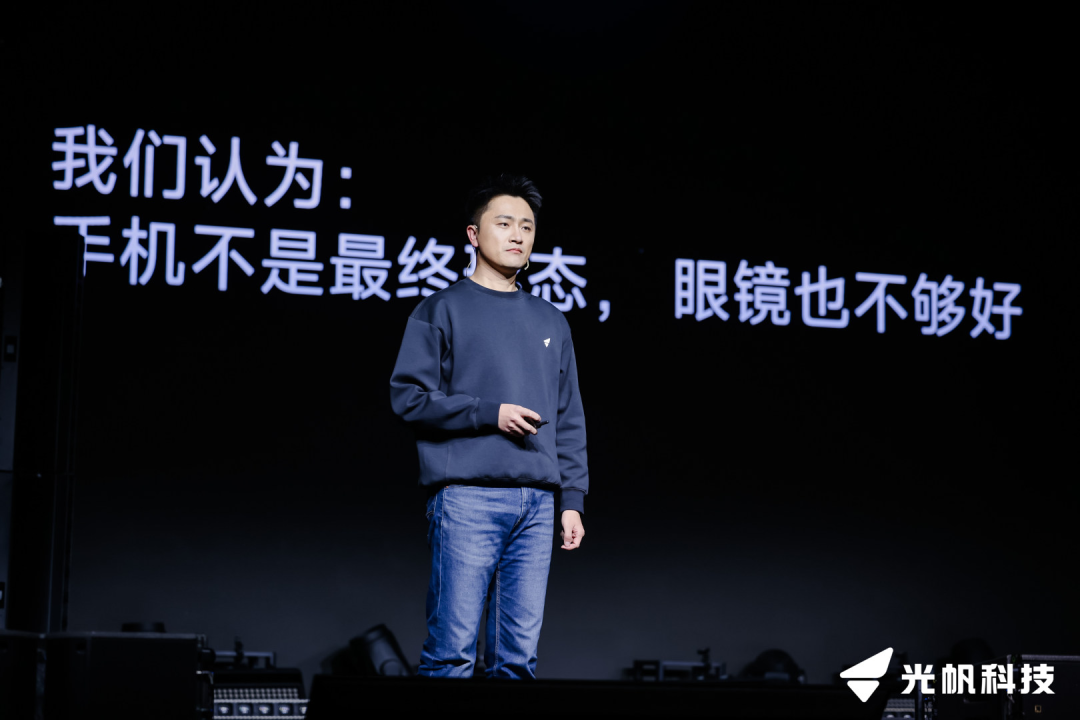
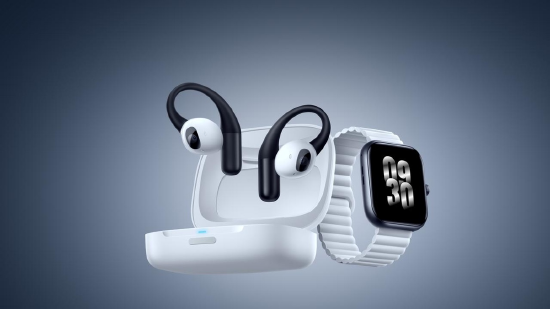
Core Insights - The article discusses the emergence of AI hardware, particularly focusing on the concept of Agent OS as a pivotal development in the industry [2][63]. - It emphasizes the importance of integrating software and hardware to create a seamless user experience, similar to Apple's approach in its early days [2][64]. - The article highlights the potential of wearable devices, specifically the Lightwear AI device by Guangfan Technology, which combines headphones, a charging case, and a smartwatch into a cohesive system [4][68]. Group 1: AI Hardware and Agent OS - The Lightwear AI device represents a shift in how AI can be integrated into everyday hardware, with a focus on user accessibility and functionality [4][68]. - The concept of Agent OS is introduced as a new operating system that enables multiple devices to work together, enhancing user interaction through multi-modal perception and cloud collaboration [6][68]. - The founder of Guangfan Technology, Dong Hongguang, believes that the future of AI hardware lies in redefining operating systems rather than creating entirely new hardware forms [7][68]. Group 2: User Experience and Device Integration - The design philosophy behind the Lightwear device aims to lower user acceptance barriers by utilizing familiar hardware forms like headphones, which users are already accustomed to [9][69]. - The integration of various sensors into the headphones and charging case allows for continuous AI assistance, addressing the need for devices that are always available [10][70]. - The smartwatch complements the system by providing display and interaction capabilities, enhancing the overall user experience without replacing existing devices like smartphones [12][73]. Group 3: Market Position and Future Outlook - Dong Hongguang asserts that headphones are likely to be the most suitable entry point for AI hardware in the next decade, but the ultimate goal is to redefine the operating system [7][68]. - The strategy involves creating a "demand funnel" where wearable devices address 80% of lightweight needs, while more complex tasks can still be handled by smartphones or PCs [17][74]. - The company aims to establish a collaborative ecosystem where multiple devices serve distinct roles, enhancing user interaction and experience [16][74].
「死了么」创始人亲述:我们是如何爆红的
36氪· 2026-01-14 09:47
Core Viewpoint - The article discusses the rapid rise of the app "Are You Dead?" which addresses the safety concerns of young people living alone, highlighting a significant demand for such solutions in urban areas [4][19]. Group 1: App Development and Concept - The app "Are You Dead?" was inspired by the safety needs of young people living alone, particularly after the founder's personal experiences and observations of risks faced by this demographic [7][15]. - The app's concept emerged from discussions on social media, where users expressed a desire for a tool that could notify family members in case of emergencies or if they failed to check in [16][17]. - The app was developed despite the founder not being a programmer, indicating a collaborative effort to meet market demands [18]. Group 2: User Demographics and Market Response - The primary user base consists of young adults aged 25-35, predominantly female, living in first and second-tier cities [21]. - The app gained popularity through organic sharing, with users promoting it across various platforms, leading to a rapid increase in downloads within just a day and a half [22][24]. - The app's name, while humorous, has sparked interest among investors, who recognize the broader implications of addressing safety for a large, often overlooked demographic [25][26]. Group 3: Future Directions and Business Model - The company is currently in the later stages of its first funding round, indicating strong investor interest and confidence in the app's potential [27]. - Future iterations of the app will focus on enhancing features, with plans to incorporate proactive AI technology to detect risks before they escalate [30][32]. - The company aims to expand its offerings beyond this app, with another product called CareeAI designed to ensure children's safety, showcasing a broader commitment to security solutions [34][35].

“死了么”创始人亲述:我们是如何爆红的
3 6 Ke· 2026-01-13 03:54
Core Insights - The app "Are You Dead?" has rapidly gained popularity in China, addressing the safety concerns of young people living alone, particularly in urban areas [1][3] - The founder, Mr. Guo, shared insights on the app's development and its connection to the safety needs of the independent living demographic [3][11] Group 1: Entrepreneurial Inspiration - The app was inspired by the founder's personal experiences as a young adult living alone in Shenzhen, where he felt a constant underlying fear of potential dangers [3][5] - The idea for the app emerged from discussions on social media platforms, where users expressed a desire for a tool that could alert family members in case of emergencies [7][8] - The app's name, while humorous, reflects a serious concern about the safety of individuals living alone, highlighting a significant and often overlooked market need [12][16] Group 2: Growth and Popularity - "Are You Dead?" achieved rapid growth, reaching the top three in international tool rankings in multiple countries within just a day and a half [3][11] - The user base primarily consists of young adults aged 25 to 35, predominantly female, living in first- and second-tier cities [11] - The app's virality was driven by organic sharing among users, influencers, and media, resulting in sustained interest and engagement [12][14] Group 3: Future Directions - The company is currently in the later stages of its first funding round, with significant interest from various investors recognizing the app's potential [13][16] - Future iterations of the app will focus on enhancing features, including the development of proactive AI capabilities to detect risks and intervene before emergencies occur [15][16] - The company also plans to expand its product offerings, including a related app called CareAI, aimed at ensuring the safety of children through location tracking and alerts [16][17]
独家|蚂蚁、美团入局 AI 硬件, Looki 完成超 2000 万美元 A 轮融资
Founder Park· 2026-01-05 00:33
Core Insights - Looki, an AI hardware startup, has successfully completed a Series A funding round exceeding $20 million, led by Ant Group, with participation from Meituan Longzhu, Huaden, and others [2][3] - The company aims to enhance organizational talent, model iteration, product development, and supply chain integration to accelerate its technological accumulation in the AI native hardware sector [2] Company Overview - Founded in May 2024 by two Carnegie Mellon University alumni, Looki has completed four funding rounds in just over a year [4] - The CEO, Sun Yang, has a background in smart hardware at Meituan and was a founding member of Google Assistant, while the CTO, Liu Bo Cong, has experience in autonomous driving algorithms [4] Product Launch and Market Reception - Looki's first product, the Looki L1 international version, was launched in August 2025 and quickly sold out, with nearly 10,000 units sold globally [5] - The product has gained significant attention on social media platforms, being referred to as a "life review device" due to its unique features that provide insights into users' daily lives [8] User Engagement and Features - Initial user engagement metrics showed an average usage time of 6.2 hours, which increased to 7.9 hours over a few weeks, indicating strong user interest and engagement [11] - Looki L1 offers innovative features such as daily summary vlogs and emotional insights, which have become popular among users [8][11] Upcoming Innovations - Looki plans to introduce a new feature called Proactive AI at CES, which will allow the device to provide real-time insights and reminders based on user behavior [12][13] - This feature aims to transition from reactive responses to proactive assistance, enhancing user experience by understanding context and habits [13][17] Future Directions - Looki is committed to a "human-centered" product philosophy and aims to continue evolving its offerings in the rapidly advancing AI landscape [17]
从「被动」到「主动」,为什么给耳机装上「眼睛」后AI范式变了?
机器之心· 2026-01-04 05:43
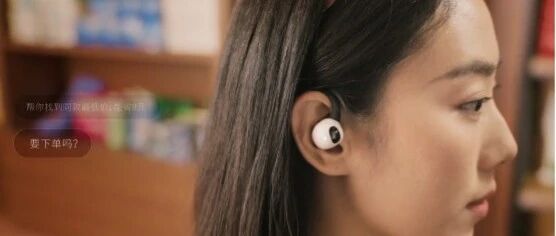
Core Viewpoint - The article discusses the emergence of "screenless, proactive AI" hardware, highlighting the advancements made by Chinese company Lightware Technology with its Lightwear AI wearable device, which includes AI headphones, a smartwatch, and a unique charging case [2][3][4]. Group 1: Product Overview - Lightwear AI is a combination of AI headphones, a smartwatch, and a charging case, designed to function as a continuous AI assistant that actively engages with users in their daily lives [3][6]. - The AI headphones are the world's first with visual perception capabilities, allowing them to observe the environment and provide proactive suggestions [3][4]. - The device can recognize products, search for prices online, and even place orders autonomously based on user queries [9][10]. Group 2: Market Context - The article notes that in 2025, a surge of AI hardware products emerged globally, including AI glasses and headphones from major companies like Alibaba and ByteDance [17]. - The shift towards screenless AI is attributed to advancements in large model capabilities and decreasing deployment costs, particularly benefiting Chinese companies in the AI hardware race [18][19]. Group 3: Proactive AI Concept - Proactive AI aims to eliminate the cognitive friction associated with passive AI, which requires explicit commands from users [21]. - Lightware Technology's approach focuses on continuous environmental awareness and memory, allowing the AI to intervene at appropriate moments without user prompts [21][22]. - The article compares Lightware's vision with Google's Project Astra, which also seeks to create an AI assistant that understands and interacts with the user's environment [21]. Group 4: Hardware Design Philosophy - Lightware Technology chose to enhance headphones with visual capabilities rather than relying on smartphones or glasses, as headphones offer a more natural and widely accepted form factor [26][27]. - The headphones are equipped with dual 2-megapixel cameras to provide depth perception, enabling the AI to understand spatial relationships and user context [30][32]. - The design emphasizes semantic understanding over high-resolution imaging, focusing on the AI's ability to identify objects rather than producing high-quality visuals [30]. Group 5: Multi-Sensory Collaboration - To achieve true proactive AI, Lightware Technology integrates multiple devices, including a smartwatch that complements the headphones by providing visual and tactile interactions [39][41]. - The smartwatch serves as a continuous body sensor, collecting health data to enhance the AI's understanding of the user's physical state [43]. - The charging case is designed to maintain connectivity and functionality even when the headphones are not worn, allowing for ongoing interaction with the AI [45][48]. Group 6: Technical Challenges - Building a distributed AI hardware system involves complex challenges related to power management, communication efficiency, and user interaction [51][60]. - Lightware Technology's solution includes a cloud-based operating system that distributes processing tasks across devices, ensuring efficient operation while minimizing power consumption [52][56]. - The design balances weight and comfort, with the headphones weighing only 11 grams, significantly lighter than typical smart glasses [61]. Group 7: Future Outlook - The article concludes with Lightware Technology's plans to showcase its proactive AI headphones at CES in January 2026, indicating a potential shift in the direction of next-generation AI hardware [62][63].
光帆科技发布全球首款具备视觉感知能力的主动式AI耳机
Xin Lang Cai Jing· 2025-12-25 11:42
Core Insights - The article discusses the launch of the world's first active AI headphones with visual perception capabilities by Lightwave Technology, aiming to redefine human-computer interaction in the AI era [1][5]. Product Features - The Lightwear AI wearable device consists of an open-ear AI headphone and a smart watch, featuring a self-developed AI operating system called Lightware OS [1][3]. - The device includes a dual-vision perception module that allows the AI to understand the surrounding environment and provide context-aware services [2][6]. - The headphones utilize a low-power voice and image wake-up technology, offering a 9-hour talk time and weighing only 11 grams per ear [2][6]. - Made from medical-grade liquid silicone, the headphones are the first open-ear model to receive SGS comfort certification [2][6]. - The device can operate independently from a smartphone, thanks to an embedded eSIM card and high-precision GPS module, enhancing user experience during activities [2][6]. Integration and User Experience - The smart watch complements the headphones by providing a color display and touch capabilities, allowing users to access key information without diverting their gaze [2][7]. - The watch collects various health metrics, enabling the AI to adjust its services based on the user's physical state, such as providing reminders during high-stress situations [2][7]. - Lightwear is positioned as a synergistic system rather than a simple combination of headphones and a watch, aiming for an enhanced overall AI experience [3][7]. Market Position and Future Plans - Lightwave Technology plans to officially launch the Lightwear AI wearable device in the first quarter of the following year, with pre-orders already open and a user testing program set to begin in mid-January [3][7]. - The company has successfully completed multiple rounds of financing within its first year, attracting investments from major industry players such as Shokz, GoerTek, Lenovo, CATL, and GigaDevice [3][7].
摆脱智能手机,可穿戴设备是否存在另一条AI路线?
Tai Mei Ti A P P· 2025-12-25 08:29
Core Insights - The emergence of AI large models has led hardware manufacturers to believe that existing terminal devices can be reimagined, with AI glasses seen as a potential successor to smartphones [2] - Current AI glasses face limitations in terms of battery life, weight, and performance, making them unsuitable for all-day wear [2] - Lightyear Technology has launched its first active AI headphones with visual perception capabilities, aiming to transform user interactions by autonomously handling high-frequency tasks in daily life [2][4] Group 1: AI Hardware Development - The ideal AI hardware should not merely extend existing devices like smartphones or glasses, as stated by the founder of Lightyear Technology, who emphasizes the need for independence from mobile devices [3] - The founder's background at Xiaomi and his vision for AI hardware development highlight a shift towards more autonomous and user-friendly devices [3] Group 2: Lightwear AI Wearable Device - Lightyear Technology introduced the Lightwear AI wearable device, which combines headphones and a smartwatch, featuring dual-vision perception modules to understand the environment and provide tailored services [4] - The smartwatch works in tandem with the headphones to present key information without distracting the user, while also monitoring various health metrics [4] Group 3: Independent Operation and OS - The Lightwear AI device operates independently of smartphones, thanks to its native AI operating system, Lightware OS, which allows for autonomous task execution [6][5] - Lightware OS connects multiple large models and sensors, functioning as a smart hub that simplifies the development of AI hardware and applications [7] Group 4: Enhanced User Experience - The device can autonomously complete tasks based on user commands, such as restaurant recommendations and travel arrangements, without needing a smartphone [5][8] - The integration of eSIM and high-precision GPS enables the device to function independently, enhancing user experience in various scenarios [8] Group 5: Future of AI Hardware - The founder suggests that the future of AI hardware will move towards multi-device collaboration, with a cloud-based system controlling various devices to execute user commands [9]

告别「手搓Prompt」,前美团高管创业,要让物理世界直接成为AI提示词
机器之心· 2025-12-16 02:31
Core Viewpoint - The article discusses the emergence of Looki, an AI hardware aiming to enhance human-machine interaction by transforming real-world scenarios into contextual data, moving from passive responses to proactive engagement [1][2]. Group 1: Looki's Purpose and Technology - Looki aims to fill the gap in large models' "sensory intelligence" by converting real-time visual and auditory signals into contextual data, thus driving AI to think and serve users more effectively [4][28]. - The Looki L1 device, weighing only 30g, is designed to operate as a multi-modal perception system, capturing the physical world continuously and efficiently [6][8]. - The founders of Looki, with backgrounds in autonomous driving and smart hardware, leverage their expertise to adapt perception algorithms from driving to everyday life [9][10]. Group 2: Data Management and User Context - Looki employs a "data flywheel" approach to create a personalized context for users, transforming raw data into structured memories that the AI can efficiently access [12][15]. - The system addresses two major challenges in multi-modal models: understanding long-sequence data and managing context explosion, ensuring privacy and security in data handling [14]. Group 3: Transition to Proactive AI - The article highlights a shift from manual prompts to proactive AI, where enriched context allows for anticipatory actions by the AI, marking a transition from chatbots to agentic AI [17][18]. - Looki's capabilities include automatic video editing, identifying significant moments in users' lives, and providing insights based on accumulated data, thus evolving into a second brain for users [20][24][30]. Group 4: Future Vision - Looki envisions its hardware as a data interface that evolves beyond its current form, aiming to address the data hunger of the physical world and help users accumulate valuable personal data assets [29]. - The ultimate goal is for AI to possess a sense of presence, transforming it from a mere tool into an integral part of users' daily lives [30][31].